Which Type of Counselling Should You Choose?
It’s springtime. For many, it’s a season of catching up on some sleeping after a stressful beginning of the year, or it’s a season of gardening. For many, it’s the season of cleaning, where we throw out rubbish in our homes and organize everything to our liking.
While cleaning out your home is a good move, consider cleaning out your mind or your life. There may be some mental baggage you’re holding onto or toxic parts of your life that you need to make a transition from. Whatever the case, counselling can help you.
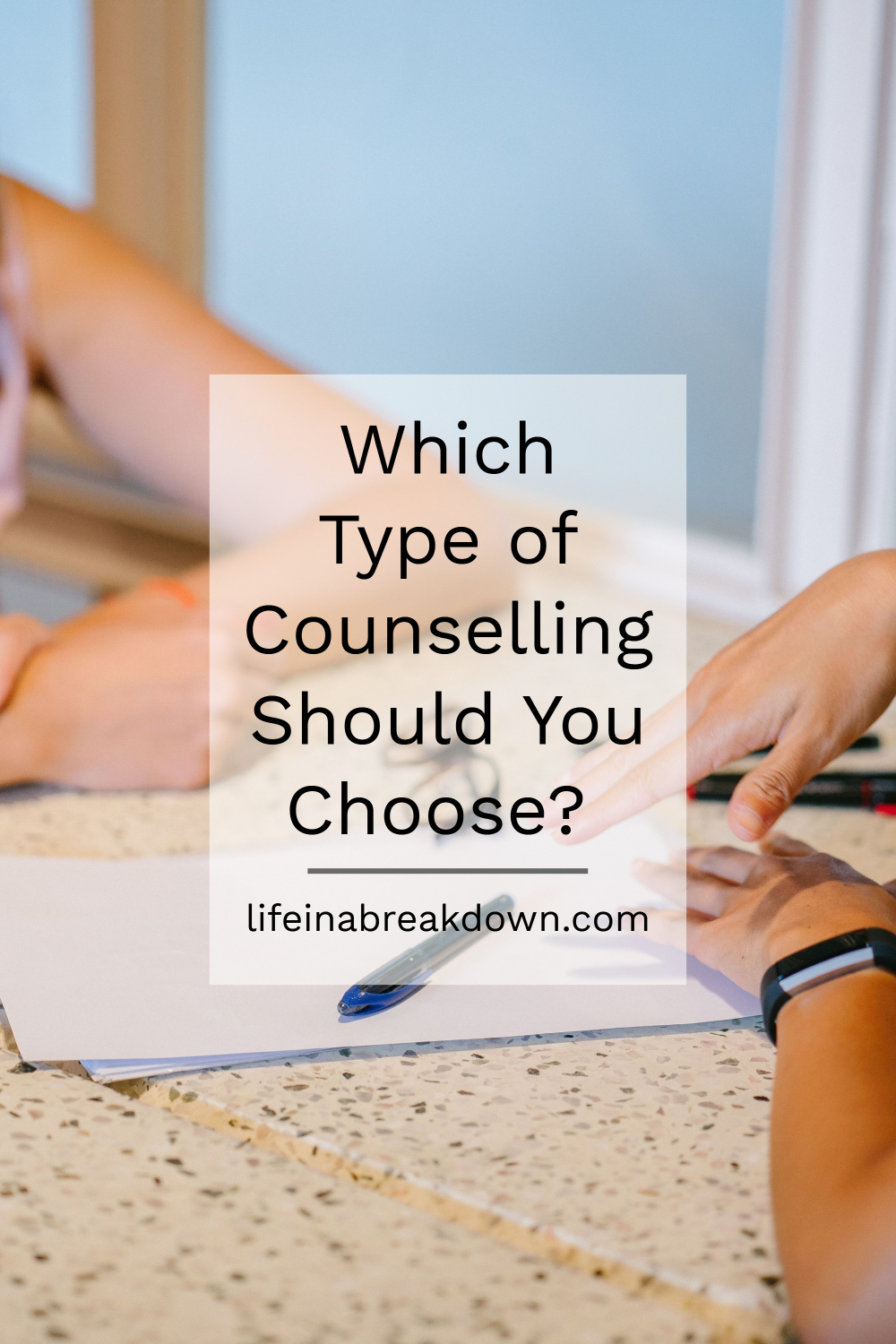
A counsellor is a person who gives you guidance and advice on all of life’s ills. Of course, choosing the right counsellor for the job is a smart move to make. In this post, we’re going to discuss some types of counselling and let you decide whether or not they’re for you.
Family or Couples Counselling

Often, our problems may come from spouses or family members. We love them, but due to disagreements, miscommunications, or difficulties with arguing in a healthy manner, our family can drive us mad. Sometimes, we have relationships that we want to repair as well, but we don’t know how to approach fixing them.
This is where family and couples counselling comes in. For a marriage, couples counselling works by identifying the reasons why you fight with your spouse and how to avoid them. A couples counsellor may teach you how to avoid common miscommunications. During the conflict, you can learn ways to resolve it without coming across as toxic. Couples counselling also works well for new couples or people who want to keep the positive energy of a relationship going. There are many benefits to attending couples counselling.
With family counselling, you can learn ways to manage conflict in your family, be it your children, your parents, or anyone else.
Couples and family counselling is great for repairing relationships that are on the rocks, or just relationships that are good but could be stronger.
Career Counsellor
Someone who is needing guidance with their career can benefit from a career counsellor. A career counsellor is great for any age range.
They’re good for a young person who may be unsure of what career they should pursue, or if they don’t know how to get their foot in the door. A career counsellor is also good for a middle-aged or older adult who is wanting to work in the job of their dreams before they get too old.
A career counsellor works well for a transition, too. If you want to leave or are leaving your job, a career counsellor can help you make the transition.
Career counselling can help you get the skills and experience you need for a job as well. Any problem you have relating to your job may be solved by one, so give them a try.
Educational Counsellor
These are counsellors who work in universities or other school establishments. They are usually on-premise and are free to use. For university, an educational counsellor will help you if you’re unsure what career you want. They are a little similar to a career counsellor, but differ from the fact that they can also provide services to people overwhelmed by school or other problems relating to the educational system.
If you live in a university town, you may be able to speak to an educational counsellor even if you don’t go to university.
Rehabilitation Counselling
Rehabilitation counselling is a form of counselling that helps those with disabilities. Sometimes, it’s physical. For example, if you were in a car crash, you may need help recovering, and rehab counselling may be able to help. Alternatively, rehabilitation counselling may help you if you have a mental health problem that makes it difficult to function, especially one that developed recently. The goal of rehabilitation counselling is to help you live an independent life however possible.
Counselling for Your Mental Health

Mental health counsellors help those who are depressed, anxious or have another mental health problem. While a licensed therapist is a bit of a better fit for this situation, a mental health counsellor has their own approaches, giving you goals to make or helping you find other methods that will allow you to live better. For example, a mental health counsellor may help a depressed person by setting up some goals that involve new hobbies or a new schedule, all while the depressed person also gets help from medicine or a licensed therapist.
Substance Abuse Counselling
If you’re addicted to alcohol or other drugs, it can ruin your life. A substance abuse counsellor can be someone who teaches you a few ways you can recover from the abuse. Creating a plan to avoid relapsing and to avoid any triggers can help you immensely. Not only that, but a substance abuse counsellor can also be a great person to talk to should you have any cravings for the drug.
Substance abuse counselling is vital if you have a destructive addiction. It could be a life or death decision, or at least the difference between living a stable life and losing it all to drugs.
Faith-Based Counselling
A faith-based counsellor, which can often be found in churches or other religious buildings, gives you advice and guidance through the lens of your religion. For example, if you’re going through tough times, you may wonder why God is putting you through this, and what the overall plan is. If you’re a believer, a faith-based counsellor can help you make sense of your life, and teach you ways to stick to your faith while you work to improve your life.
Grief Counselling
When you have a loss in your life, it can be difficult to pick up the pieces. Whether you’ve lost a good friend, a family member, or someone else close, it can be an emotional, and sometimes, financial, loss. A grief counsellor helps you to explore your feelings and teaches you ways that you can move on from the loss. Seek one today.
Online Counselling
Another form of counselling you may consider is an online counsellor. Online counselling, or online therapy, involves speaking to a professional through your computer or device. With online counselling, it’s good if you’re someone who doesn’t have the time or resources to be in an office physically. It’s great for people who work odd hours, or who have a disability that makes travelling or speaking to other people difficult.
Online counselling can work as well because of its flexible payment plans, and the ability to cancel any time.
There are many more forms of counselling. If you have a specific need, there’s a chance that you can find a counsellor who can help you.
Author

Marie Miguel is a research and writing expert whose work focuses on health-related topics. Currently, she is contributing to the expansion and growth of the online mental health resource BetterHelp.com. With a dedication to addressing stigmas associated with mental health, she continues to target subjects related to wellbeing.
Fancy checking out another post? Just click here!
Pin it!