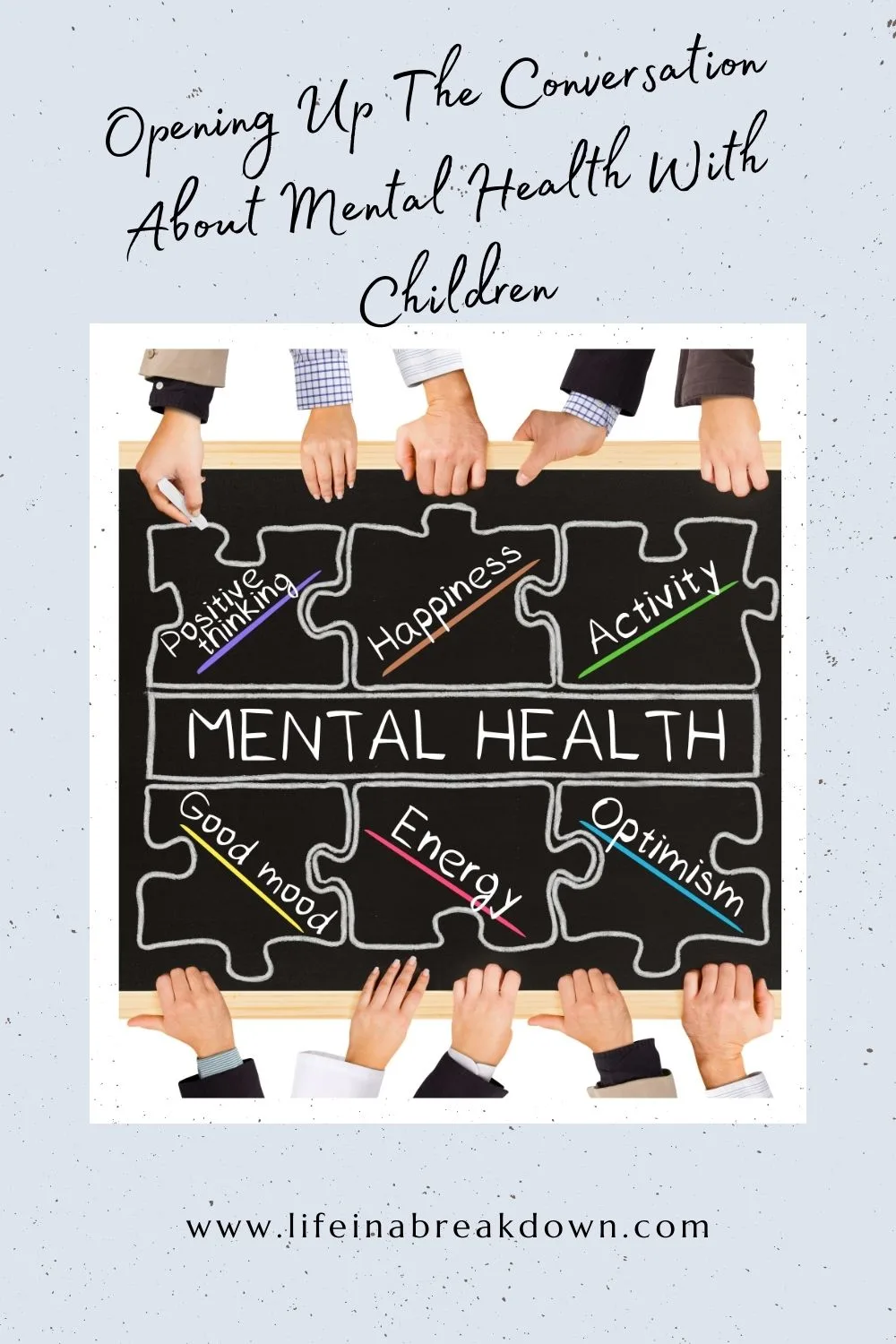
Opening Up The Conversation About Mental Health With Children
This is a collaborative post.
With the learning from home saga, parents and students alike found their mental health suffering at the hands of the pandemic. As a result, teachers were informed to check in on the wellbeing of their students as much as possible. Now schools slowly make their way “back to normal”, it’s important to continue this emphasis on mental wellbeing. Here are a few ways you can help your child confront any mental issues they face in the months to come.

Know the signs
Being able to detect the telltale signs of declining mental health is key to being able to support your child’s wellbeing. It’s easy to forget that children face the same challenging feelings as adults do — they get stressed, feel anxious, worried and embarrassed just like you. Here are some key things to look out for if your child is struggling:
- Drastic loss of appetite
- Intense mood swings
- Persistent sadness
- Avoidance or withdrawal from social situations and interactions
- Self-harm or talking about hurting others
- Extreme outbursts of anger or irritability
It’s important to note here that these signs should be viewed as guidance alone and treated with caution. If your child has a couple of moody days or skips a meal, it doesn’t necessarily mean that they are struggling with ill-mental health. Always seek professional medical advice before diagnosing or medicating your child.
Help your child express themselves
Younger children especially may find it difficult to express how they are feeling. They may be unable to translate their emotions into words, or are simply uncomfortable sharing how they’re feeling. Being there to help your child express themselves is one of the simplest and most effective ways to support their mental health.
Talking it out
Whilst this may seem straightforward enough, it’s surprising how easy it is to avoid talking about how we’re feeling in day-to-day conversation.
Make sure you check in with your child regularly, whatever their age. This could be as simple as asking how their day was on the drive home from school. Alternatively, try asking more specific questions if you notice a mood change.
Be the person your child is most comfortable with. Sadly, most children don’t feel like they can talk to their parents about certain issues. By showing that you are open and receptive to whatever issues your child may face, you will be better able to support them and their mental wellbeing in the long run.
Listen
Whilst this is easier said than done in certain situations, just listening to your child instead of reacting can be extremely beneficial. If your child comes to you with concerning information, just being there for them is the best place to start. Offer your calm support and reassurance whilst they offload any troublesome feelings they may be experiencing.
Use creative expression
Let them express themselves and release any pent up tension. For younger children or those who are unwilling to share, promote creative expression via drawing, painting or writing out how they’re feeling instead. For example, get them to draw how they think a feeling like sadness or worry might look like. This can help them visualise their feelings and in turn, help them to process distressing emotions.
Make use of a mental health checkup toolkit
There are a whole host of free resources out there created by mental health professionals; this helps parents look after their own mental health as well as their child’s. A mental health toolkit can be useful to refer to when you’re not sure what the best step forward is for your child’s situation. Use one or more of the following techniques to find out what’s best for your child:
Action
With a holistic approach to mental health, an action tool can help your child get into a better headspace and be better able to deal with negative emotions. Like it or not, our bodies and our minds are connected. How we feel about ourselves and our bodies can have a huge impact on our mental health. Regular exercise not only stimulates the production of endorphins, but can also help your child de-stress. It encourages them to relax, whilst preventing them from dwelling and overthinking.
Thinking
Encourage your child to find the positives within any situation. This can help create a pattern of optimistic and positive thinking. Try asking your child about the good things that could come from anything that is bothering them. Ask them about who said or what proof they have about negative thoughts being fact. Then help them see their situation from another perspective.
Distraction
Use fun activities to draw focus away from the things that are bothering them. Activities can help distract your child’s mind and put their energy into something else. This can be anything from playing a musical instrument, sport, dancing or crafts.
Relaxation
Sometimes when bad things happen it’s easy to race into all the awful things that may come as a result. Encourage your child to slow down, breathe deep and relax. This in turn will help calm their minds and refresh their brains to better handle any unsettling feelings. A good way to relax is using techniques such as deep breathing, mediation, or listening to calming music.
Support
With competition continually increasing for places at schools and universities there is more and more pressure put on students.
If your child’s mental state is suffering due to their academic performance, make sure you get them the right support. This can be as simple as getting them a tutor to help them gain confidence in their subject knowledge, improve their grades and school work.
Sites like Tutor House are there to connect students of all ages and levels with top quality tutors. Find online lessons or in-person classes and get your child the support they need to perform their best at school.
Written by Elise Pearce
Pin it!