Is Porridge Good for Weight Loss?
If you’ve ever tried to lose weight, you’ll know breakfast can feel like a bit of a minefield. Do you go for something light and risk being hungry an hour later, or choose something filling and worry it’s too heavy? Porridge is one of those foods that people often see as a “healthy” option, but the real question is whether it actually helps with weight loss — or if it’s just another carb-loaded bowl.
The truth is, porridge made from oats is naturally packed with fibre and nutrients that can keep you full and steady your energy through the morning. But, and this is the bit many people don’t realise, how effective it is really depends on portion size, toppings, and even how your body responds to carbohydrates.
According to One Day Tests, a simple blood test can sometimes reveal issues like thyroid imbalances or metabolism quirks that explain why two people can eat the same breakfast yet see very different results.
In this article, we’ll dive into the role of porridge in weight loss, the significant role oats play in managing hunger and blood sugar, the best types of oats, and how to prepare a bowl that supports your weight loss goals.
Can a Bowl of Porridge Really Help You Lose Weight?

The truth about porridge and belly fat
No single food directly burns belly fat, but porridge can help reduce overall body fat by keeping you fuller for longer. Some studies show that every 10g increase in soluble fibre (like beta-glucan from oats) is linked to a modest reduction in visceral fat — the harmful fat stored around organs. This effect, though modest, is significant and supports healthier weight loss when paired with exercise.
How porridge balances blood sugar
Oats are low on the glycaemic index, which means they release energy slowly. This prevents blood sugar spikes that trigger cravings and energy crashes. Rolled and steel-cut oats are especially effective here. On the other hand, instant oats often contain added sugars and can raise blood sugar faster.
Why oats keep you full for hours
The fibre in porridge absorbs water, swells in the stomach, and delays digestion. This keeps you satisfied and reduces snacking between meals. In one study, people who ate porridge for breakfast reported feeling full for up to 8 hours compared with those who had refined grains.
NHS perspective
The NHS Eatwell Guide suggests that starchy foods such as oats should make up around a third of your daily diet. Choosing high-fibre, wholegrain options like porridge helps you meet this target while also supporting healthy weight management. This means porridge isn’t just a traditional breakfast — it’s aligned with official UK dietary guidance too.
Why Oats Are a Weight-Loss Powerhouse

Fibre that crushes cravings
Oats are rich in soluble fibre, which helps reduce cholesterol and supports digestion. From a weight-loss perspective, fibre increases satiety and helps regulate appetite.
Blood sugar balance made easy
The beta-glucan in oats slows carbohydrate absorption, reducing insulin spikes. Stable blood sugar means fewer cravings and better appetite regulation.
Can oats fire up your metabolism?
While the effect is small, oats take longer to digest than refined carbs. This means your body uses slightly more energy during digestion. Pairing oats with protein and healthy fats strengthens this effect, creating a more balanced meal.
Which Type of Oats Should You Choose?
- Rolled oats: Quick to cook, chewy texture, balanced option.
Steel-cut oats: Least processed, lowest GI, most filling — ideal for weight loss. - Instant oats: Convenient but often higher GI and may contain added sugars — best to limit.
- Overnight oats: Nutritionally similar to rolled oats; great for convenience and portion control.
New insight: Portion size matters more than type. A 40g dry serving is a sweet spot — enough to keep you full, but not too calorie-dense. To visualize, that’s about a small teacup filled with dry oats. This balance is key to effective weight management.
How Much Porridge Is the Right Amount?
- The ideal serving for weight loss is 40–50g of dry oats, which amounts to 150–200 calories. Portion control is a key factor in your weight loss journey.
- Calories per portion:
- 40g oats with water: ~150 calories.With skimmed milk: ~190 calories.
- With whole milk: ~220+ calories.
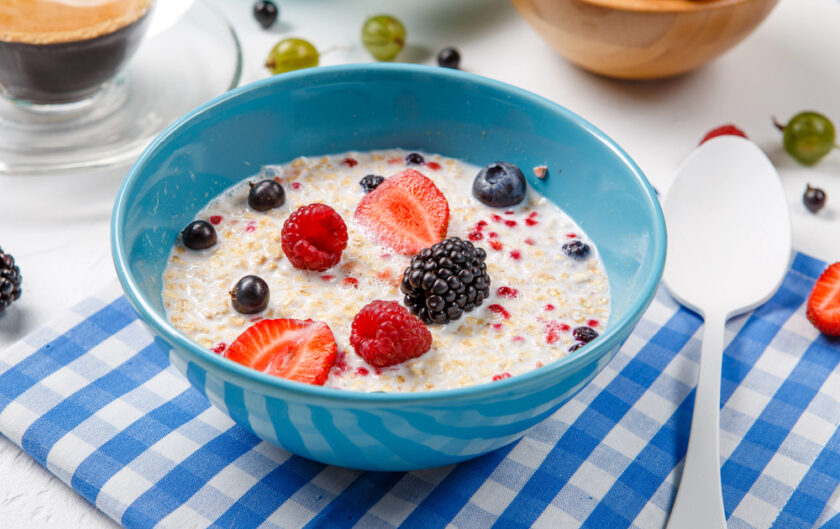
The toppings make the difference. A handful of berries and nuts adds fibre and nutrients, but syrups, sugar, and dried fruit can double the calorie load.
Build the Perfect Slimming Porridge Bowl
Boost it with protein
Adding protein to your porridge can significantly enhance its nutritional value. Protein keeps you fuller for longer and supports muscle mass. You can stir in protein powder or Greek yoghurt, or even cook your oats with egg whites for a fluffy texture.
Add healthy fats that satisfy
A spoonful of nut butter, chia seeds, or flaxseeds adds healthy fats that slow digestion and satisfy you.
Supercharge with extra nutrients
Berries, cacao nibs, or even spinach in savoury porridge can boost antioxidants and vitamins.
Porridge mistakes that hold you back
- Large amounts of honey, syrups, or sugar.
- High-calorie toppings like candied nuts.
- Flavoured instant oats with hidden sugars.
Next Steps
So, is porridge good for weight loss? The answer is yes — when made with the right ingredients and portions. Oats provide fibre, stable energy, and satiety, all of which support healthy fat loss.
The key is balance: choose rolled or steel-cut oats, stick to sensible portions, and add protein and healthy fats. Avoid sugary toppings that undo the benefits.
If weight loss feels harder than expected, it may not just be about calories. Factors like thyroid health, hormone balance, and metabolism can play a role. Insights from a simple blood test, as highlighted by One Day Tests, can reveal what’s going on behind the scenes and support a more personalised approach.
FAQs
Is porridge better than cereal for weight loss?
Yes. Most cereals are processed and high in sugar, while porridge is high in fibre and slower to digest.
Can I eat porridge at night to lose weight?
Yes — as long as portions are controlled. A small bowl with protein-rich toppings can make a satisfying evening snack.
How many calories are in a bowl of porridge?
A standard 40g serving cooked with water has about 150 calories, and with skimmed milk, around 190 calories.
Which is better for weight loss: porridge or overnight oats?
Nutritionally, they are very similar. Overnight oats can be more convenient and easier for portion control.
Pin It!