How Card Games Can Boost Your Mental Health
Finding ways to relax and unwind has never been more important. While some turn to outdoor pursuits or books as outlets for relief, more and more people are discovering the therapeutic potential of card games. Far beyond being mere entertainment, in this blog post, we’ll look at all the ways card games can contribute towards maintaining and improving mental well-being.
Cognitive Benefits

Sharpen Your Mind
Card games require quick thinking and keen minds in order to be played well, whether that means classic Bridge or the more contemporary Dominion. Engaging in these card games can improve cognitive functions like memory, concentration and problem-solving skills while the ongoing mental gymnastics involved could potentially stave off age-related cognitive decline.
Strategy and Planning
Success at card games often hinges upon your strategy for playing it. Building plans ahead, adapting to unexpected developments midgame and strategising effectively are all activities which demand high cognitive function. Providing a great mental workout for individuals of all ages from young students to retired retirees alike.
Boosting Memory
Card games often require players to recall not only rules and cards they’ve played but also opponent strategies and cards discarded during previous turns on an almost constant basis. This constant need to recall information exercises the brain’s memory centres.
For instance, Concentration involves matching pairs from memory for short-term memory improvement while Rummy demands players keep track of cards they’ve used and discard to better make future moves decisions. Regular engagement in mental activities like these helps improve retention and recall abilities which is key to both daily tasks as well as long-term mental wellbeing.
Emotional Well-Being: Building Bridges Between People

Social Interaction
Card games can be great ways to promote social interaction between members. From family game nights to playing with people worldwide online, playing cards strengthens relationships and strengthens communities around us. Furthermore, playing cards can reduce feelings of loneliness and isolation that often accompany digital life, two common sources of emotional strain.
Reducing Stress
Card games can also serve as an invaluable means of reducing stress. Engaging in card games requires concentration and focus, helping take one’s mind off daily worries and anxieties while the structured nature of card games provides a welcome distraction that allows players to immerse themselves in an activity at hand.
Furthermore, laughter and positive interactions often accompany card games and can trigger endorphin release, the body’s natural stress relievers. Regular card playing creates a routine which promotes relaxation and mental well-being, making stress management simpler while increasing life satisfaction overall.
Playing Card Games to Increase Confidence and Self-Esteem
Engaging in card games can significantly bolster confidence and self-esteem, providing a sense of achievement and validating one’s abilities. Succeeding at card games requires perseverance and competence, with winning being seen as evidence of this. Card games involve both luck and skill in play, therefore they teach players to celebrate their victories as well as learn from defeat.
Continuous learning and improvement encourage a growth mindset among players, encouraging them to embrace new challenges with confidence. Furthermore, positive feedback from peers during games can boost one’s self-esteem, creating an atmosphere in which individuals feel valued and respected.
Therapeutic Triumphs
Therapeutic Applications
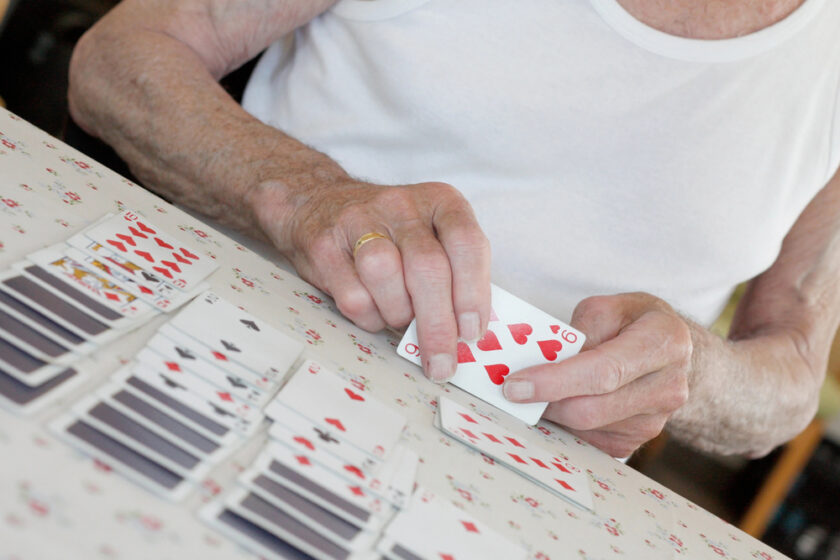
Card games have long been recognised for their therapeutic potential, offering a variety of benefits that can enhance mental health and cognitive function. One primary therapeutic application is the improvement of cognitive skills. Engaging in card games requires memory, attention to detail, and strategic planning, which can help stimulate and maintain cognitive functions, especially in older adults.
Card games can serve as a form of cognitive rehabilitation for individuals recovering from brain injuries or dealing with neurodegenerative conditions, providing both a mental workout and a sense of accomplishment. They also offer social benefits that contribute to emotional well-being. For individuals experiencing loneliness or social isolation, playing card games provides a structured way to connect with others and build meaningful relationships.
The social interaction inherent in card games fosters communication skills, cooperation, and a sense of belonging, which are crucial for mental health. Furthermore, card games can be used in therapy sessions to create a relaxed environment where individuals feel comfortable expressing themselves.
Therapists may incorporate card games into their practice to build rapport with clients, reduce anxiety, and create opportunities for discussing feelings and experiences in a non-threatening way. The combination of cognitive and social engagement makes card games a versatile tool in therapeutic settings, helping individuals to improve mental health, build resilience, and develop coping strategies.
Accessibility and Inclusivity
Card games are inherently adaptable, making them accessible to a wide range of individuals, including those with various disabilities. Many card games can be modified to meet specific needs, such as using larger print cards for individuals with visual impairments or offering tactile cards for those who are blind.
Additionally, the social and communal nature of card games fosters inclusivity, providing a platform where everyone can participate regardless of physical or cognitive limitations. This adaptability allows for meaningful engagement and interaction, ensuring that everyone has the opportunity to enjoy the benefits and joys of playing card games.
Playing Solitaire
Solitaire, the timeless card game, has long been played as an enjoyable pastime by its devotees. To play it solo or with others, one must shuffle a standard deck of playing cards before arranging them into foundation piles of various suits and ranks to achieve victory in this timeless pastime.
Solitaire can provide more than a simple diversion: it serves as an intellectual exercise that sharpens cognitive skills. This game challenges memory, requires strategic planning and requires meticulous attention to detail from players. At each move, players must consider its consequences and adapt their strategies accordingly.
Furthermore, Solitaire’s accessibility online makes it a popular game among both physical and digital card enthusiasts alike, truly making it a timeless classic.
Conclusion
Card games go far beyond being mere pastime activities to improve mental health. From sharpening cognitive functions and memory improvement to relieving stress and cultivating social bonds, their benefits are immense.
So next time you need an activity to unwind or bond with friends or family members, consider reaching for the deck of cards; who knows? You might just discover they hold the key, well, the Ace, to a healthier, more balanced mind.
Pin It!