When a Dog’s Scratching Keeps Everyone Awake at Night
It starts as background noise. Scratch. Pause. Scratch again. By 2am it is not background anymore. A dog scratching constantly through the night disrupts more than sleep. It disrupts the next morning, the mood in the house, and any sense that the problem is minor. Skin conditions affect roughly 13% of dogs under primary veterinary care in the UK, according to VetCompass data, yet many owners sit with the sound for weeks before acting. The early signs rarely announce themselves clearly. A patch of pink skin. Persistent licking at one paw. A coat that feels different. These things get noticed and then forgotten.
Knowing what to watch for changes how fast things move. An owner who can describe the pattern, the location, and the triggers walks into a vet appointment with something useful. One who waited until the scratching became impossible to ignore often arrives with a more progressed problem and less to say about how it started.
Observation at home is the starting point. Not diagnosis. Not treatment. Just structured attention.
Why Dogs Scratch and What It Signals

Night-time scratching is rarely just a habit. Habits do not make skin go red. They do not produce hot patches behind the ear or thinning fur at the base of the tail. Understanding why dogs get itchy helps explain why repeated irritation builds over time rather than appearing suddenly. When a dog returns to the same spot day after day, something is irritating the skin beneath. Allergies, fleas, mites, environmental triggers indoors. Any of these. Often more than one.
The problem builds quietly. Owners adapt. The dog gets moved downstairs. White noise goes on. Meanwhile, the underlying signs of skin issues in dogs keep stacking up while the household works around them. Broken skin follows. Then infection. Then a vet visit that starts from a much worse position than it needed to. Three weeks earlier, the problem was smaller.
Spotting patterns matters. A dog that only scratches after muddy walks presents differently from one grinding away at the same patch of skin regardless of activity. Write that down. Even one line per day builds a picture that is genuinely useful rather than a vague “she has been itchy for a while.”
Seasonal and Environmental Triggers in the UK
The UK gives dogs a lot to react to. Spring arrives, pollen climbs, and sensitive dogs start showing increased itching, red skin, and coat changes. Different pollen types peak at different points across the season. Flare-ups appear to come and go without obvious reason. They are not random. The calendar is just doing its job.
Then winter arrives and the central heating goes on. Indoor air dries out fast. Skin dries with it. Itching starts or worsens, and it looks like an allergy because it shifts with the season. Sometimes that is exactly what it is. Sometimes it is just low humidity doing predictable damage. Canine atopic dermatitis sits at between 3% and 15% of dogs globally, with UK figures landing within that range. Dust mites and mould are common triggers in older housing, and every UK region carries its own particular risks.
A thorough itchy dog assessment factors in seasonal timing, housing type, and what changed recently in the dog’s routine. When did it start? What was different that week? Answering does my dog have a skin issue quiz before a vet appointment turns loose observations into a structured account of what the skin has been doing and when.
Breed and Age Risk Factors
Some dogs carry more risk before anything even happens. Boxers and Cavalier King Charles Spaniels present at vet clinics for skin problems at above-average rates, according to Kennel Club data. Bulldogs and other breeds with pronounced skin folds develop sore, damp patches inside those folds. Warm, closed, and moist. A predictable outcome.
Puppies react more strongly to skin irritants than adult dogs and need closer monitoring when something seems off. Senior dogs lose skin thickness and resilience gradually, making regular checks more valuable as the years go on. A dog with no skin history can develop new sensitivities in later life. It happens regularly and catches owners off guard.
Breed, age, and living environment together shape what to watch for. A weekly check routine built around that specific dog catches things a generic approach walks straight past.
Weekly Skin Checks at Home

A weekly skin check takes five minutes. Ears first. Then paws, belly, skin folds, the base of the tail. Check each area for redness, swelling, hair loss, and any smell that was not present last week. A routine built around a dog health check at home helps keep this process consistent and makes small changes easier to catch. Do it after exercise when the dog is calm. Good light helps. A phone torch works.
Write it down. Date, areas checked, anything noticed. Belly looked clear on Monday, note it. Left ear pink on Friday, note that. Photos track changes better than memory and better than written descriptions. Take one of anything that looks different and compare it to the same spot the following week.
If you add supplements to your dog’s home care routine, such as those available from www.puplabs.com, keep using the weekly checks to monitor whether the scratching improves, worsens, or stays the same. If you notice any change in the scratching from one check to the next, make a note of it.
Home checks do not replace the vet. UK veterinary care requires an in-person examination before any diagnosis or prescription. What home observation produces is better input for that appointment, not a way around it.
Practical steps for effective home observation
Each week, start with whichever areas the dog keeps returning to. That is where to look first. Then check redness, hair loss, open skin, crusting. Photograph anything that looks different from last week and put it next to the previous photo.
At the end of each week, look at the sequence. Bigger, smaller, same? Skin intact or broken? Then ask what changed in the house during that same period. A new washing powder. A different bed cover. Something used in the garden. These connections are invisible without a record and obvious with one. Note them down when they happen, not after the vet asks.
Bring the actual notes to the appointment. Not a summary. The dates, the descriptions, the photos. Understanding early signs of illness in dogs helps turn those notes into something a vet can act on. “Scratching at the base of the left ear, mostly after evening walks, started around three weeks ago, worse since we changed the laundry detergent” is a different starting point than “she has been itchy for a while.” The first one moves the appointment forward. The second one rebuilds history from scratch.
When to See a Vet Immediately
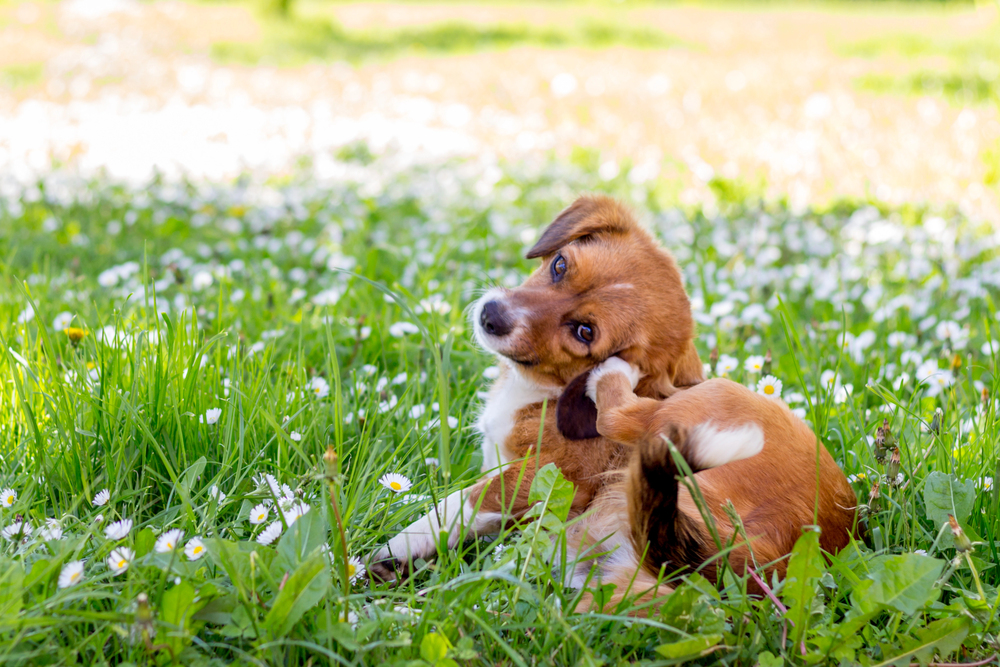
Some things do not wait. Open wounds, bleeding, infected skin, a spot being licked raw. These need a vet visit the same day or the next morning. Broken skin deteriorates faster than owners expect, and waiting makes it worse. Clarity around when is it a pet emergency supports faster decisions when symptoms escalate.
Behavioural shifts alongside skin symptoms push the urgency further. A dog that stops eating, moves slowly, or cannot settle even when exhausted may be dealing with something beyond surface irritation. Swelling that appears quickly, hair loss spreading to new areas, or flare-ups that keep widening without improvement all require professional assessment. Not next week. Now.
When the appointment happens, the record does the work. Symptoms, timeline, what was tried, what changed at home. A vet with organised information reaches an answer faster and more accurately. Only a vet can run the tests and prescribe what is needed. The home observation builds the case. The appointment closes it.
Skin problems in dogs rarely appear all at once. They build quietly, through small changes that are easy to miss. Paying attention early, writing things down, and acting at the right moment gives you a clearer picture and your vet a stronger starting point. That difference shows in how quickly the issue is understood and how effectively it can be managed.
Pin It!







Good tips here. My dog kept scratching her ear despite having them cleaned. A trip to the vet and I discovered that she had a grass seed deep down in her ear canal requiring surgery to remove it. We need to be responsible and seek treatment if nothing else works.