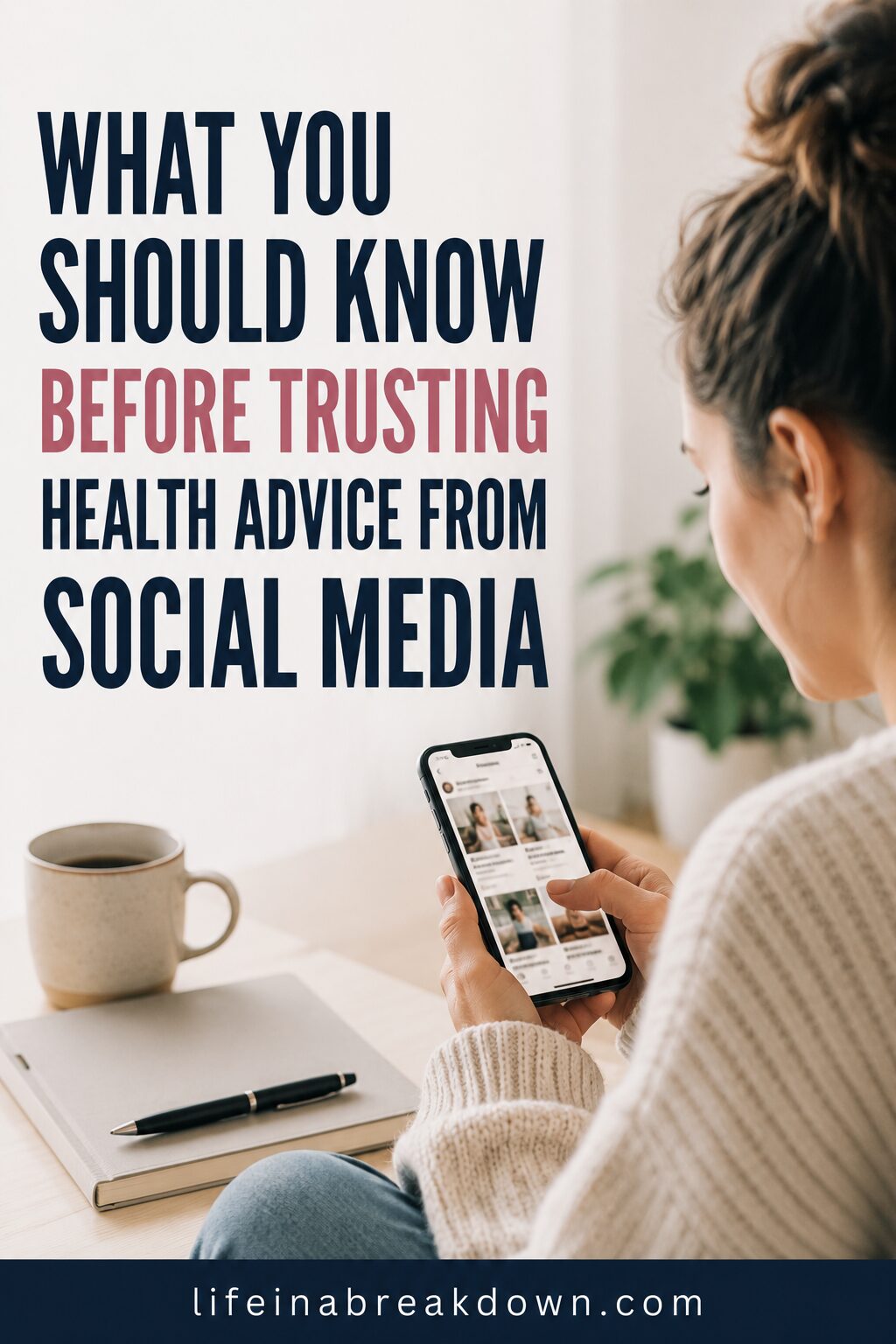
What You Should Know Before Trusting Health Advice from Social Media
Hopefully, you’re not actually doing this, but yes, a lot of people, especially nowadays, are taking advice from actual strangers! Now, you can agree here that knowledge shapes your health, and that part is absolutely true, but unfortunately, there’s a lot of misinformation online. And sure, a lot of people don’t go to social media looking for medical advice on purpose.
They’re tired, stressed, dealing with symptoms that don’t make sense, or trying to figure out why they don’t feel like themselves. Then one video turns into another, and before long, someone online is explaining hormones, gut health, inflammation, fertility, cortisol, supplements, blood tests, medications, and everything else with the confidence of someone who absolutely knows what’s wrong.
It’s a lot, and again, misinformation is out there. While sure, that can feel reassuring for a minute, especially if a person has already felt dismissed by a doctor, rushed through an appointment, or told that everything looks normal when they still don’t feel right. Social media can make people feel less alone. It can give them language for symptoms they didn’t know how to explain. It can even encourage someone to finally book an appointment they’ve been putting off.
Not All Content is Bad

So clearly here, there’s some good to all of this, but there’s some bad to this as well. Because this can still push people into making health decisions from a place of fear, frustration, or confusion. And that’s where the problem starts. Health content online can sound helpful, personal, and convincing, but that doesn’t mean it’s right for your body, your history, your medications, or your actual symptoms. People know this, yet, in hopes of improving themselves, they tend to be so hopeful that they don’t see this as such a big deal.
No, Confidence isn’t the Same as Medical Context
Some creators are very good at sounding certain. Good for them, as they can speak clearly, explain things simply, share personal stories, and make complicated health topics feel easy to understand. That can be genuinely useful, but it can also make advice feel more reliable than it actually is. Plus, keep in mind here that a confident video doesn’t always show what’s missing.
It doesn’t show the person’s full medical background. It doesn’t show the limits of their experience. It doesn’t always explain risks, side effects, drug interactions, or the fact that two people can have the same symptom for completely different reasons. Someone saying, “this helped me,” is not the same as saying, “this is medically appropriate for you.” Their experience might not actually be your experience.
Symptoms Can Get Oversimplified Very Quickly
Social media tends to like simple explanations. Fatigue gets linked to one cause. Anxiety gets linked to one deficiency. Weight changes get blamed on one hormone. Low energy becomes a sign of one specific problem. So, sure, it’s easy to understand why that kind of content spreads, because people want answers that feel clear. But symptoms, well, the human body doesn’t always make it as clear as this, though.
Like, if you’re tired all the time, well, that could come from so many different reasons, like burnout, stress, medication side effects, plenty of other reasons, hundreds even, and it could be multiple things causing just tiredness. Same for everything else, be it hormonal changes, fertility, literally anything with the human body. So when a video makes a symptom sound obvious, it’s worth slowing down.
Well, being sceptical at least. No, not because the creator is automatically wrong, but because your body deserves more context than a short clip can provide, and that clip really can’t provide you with much either.
Specific Searches Can Feel More Official
Alright, so with this one at least, well, it’s one of the ways people can get pulled deeper into online health research. Now, yes, it’s absolutely good to research here; really, it is. But at the same time, it helps to take all of this with a grain of salt, though. But really, think about it here, because a person starts with a broad concern, then ends up finding very specific terms, tests, supplements, compounds, or treatment ideas. Once something has a medical-sounding name, it can start feeling more legitimate, even if the person still doesn’t know if it applies to them.
Now, it’s fine to want to figure out what your issue is; for example, if you’re dealing with someone hormonal and you’re curious about Enclomiphene, then it’s fine to at least have a proper conversation with your healthcare provider. But you can’t self-diagnose, and you can’t self-treat either; you need to have discussions with your GP.
Health Marketing Doesn’t Always Look Like Marketing

Well, just in general here, marketing is just getting more and more “sneaky,” like, you might not even realise you’re being marketed to. But really, here, a lot of online health content is mixed with selling, even when it doesn’t look obvious at first. A post might seem like a personal story, a routine, a “what worked for me” video, or a casual recommendation.
So, it looks normal, but then you take a closer look cause then there’s a product link, a discount code, an affiliate shop, a supplement brand, a course, a test kit, or a paid partnership somewhere in the background (and yes, sometimes illegally they’re not stating the brand and yes, some brands intentionally make creators not disclose its an ad).
Online Communities Can Help (Sort of)
As you’re probably aware, there are plenty of communities on TikTok, Facebook Groups, plenty of SubReddits, and other forums out there. And yeah, forums and comment sections can be comforting at first. There’s something validating about finding other people describing the same symptom or the same frustration. It can make someone feel less isolated, especially if they’ve been told they’re fine while still feeling unwell.
But those spaces can also make everything feel bigger; all that does is create more worries and stress. Now, they’re not useless; communities really aren’t useless at all here. In fact, they can be helpful for emotional support, practical advice, and knowing what questions to ask. So, they’re good, but again, like everything else, take what’s said with a grain of salt.
Pin It!