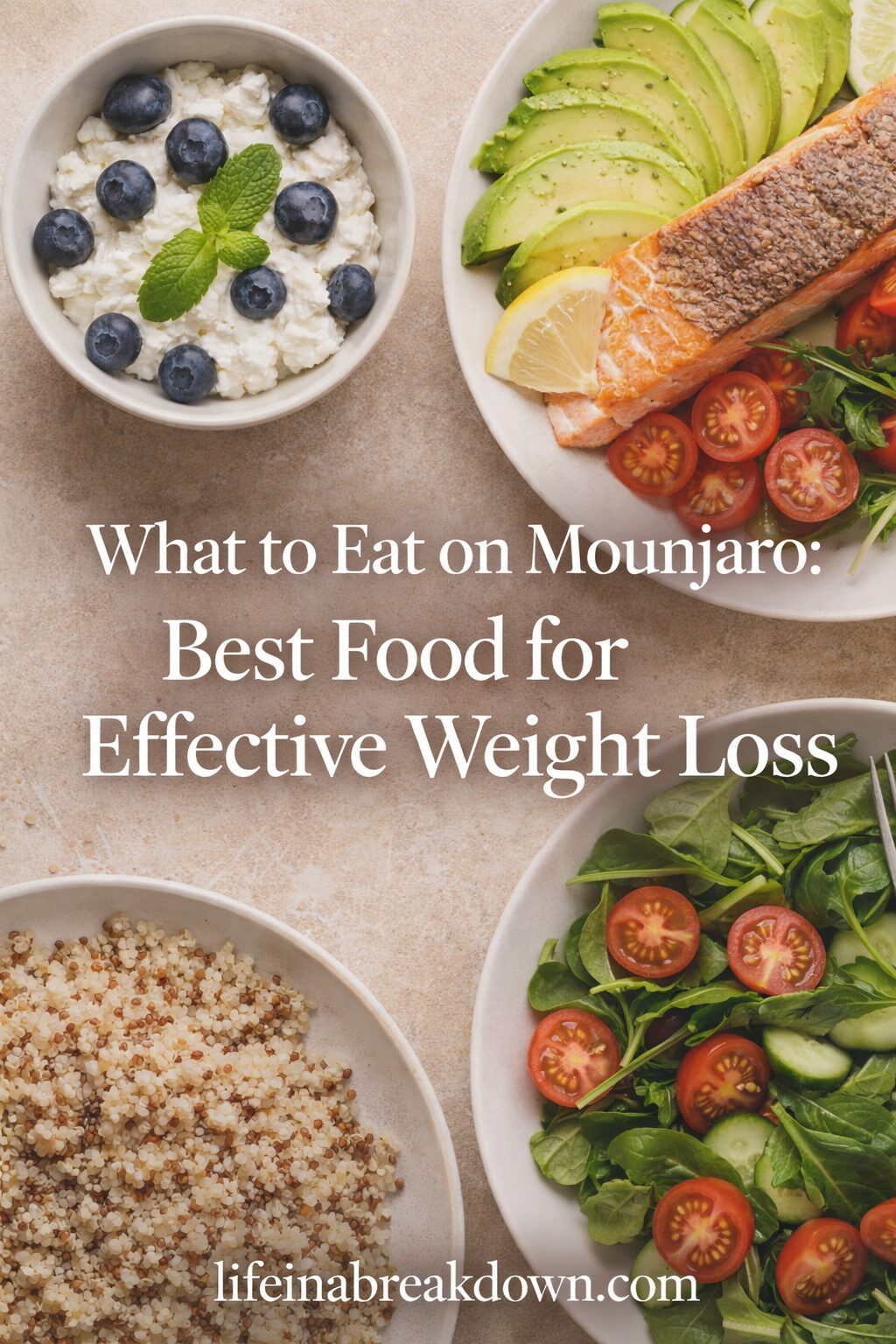
What to Eat: Best Food for Effective Weight Loss
Many Mounjaro users come here seeking the best foods for weight loss while on Mounjaro. Results: A suitable diet can make all the difference. The meals should be considered carefully; then they can support health, induce satiety, and keep your motivation in check. Once you know what to eat to help your body, this journey becomes easier, safer, and more rewarding. With good nutrition, you can ensure that you not only make steady progress on this medication but also that any success is sustainable in the long term.
Understanding Mounjaro and Its Effects

Mounjaro helps your body to regulate blood sugar (glucose) and appetite. This drug commonly suppresses appetite in people. This enables you to follow healthier meal patterns without effort. However, you can only achieve the best results with the medication if you also know what to eat on Mounjaro. Adherence to a proper diet remains crucial for maintaining body mass and promoting human health.
The Importance of Balanced Meals
A well-balanced diet helps maintain energy and mood levels, as well as support overall weight management. Proteins, healthy fats, and complex carbohydrates should be included during meals. Each of these components has its own function in the body. Muscle retention and preventing hunger are aided by protein. Good fats lead to satiation and keep the skin, hair, and cells healthy. Complex carbs provide a slow release of energy, thereby reducing cravings.
Best Sources of Protein
Lean meats, including poultry and fish, or even Keto jerky for a snack provide a significant amount of protein and relatively few calories. Eggs are another flexible and hearty option. Vegetarians and vegans may be drawn to plant-based options such as beans, lentils, and tofu. There are also dairy products, including yoghurt and cottage cheese, which provide nutrition but also vary the flavour. Protein at every meal helps support muscle synthesis and promote satiety (feeling full).
Choosing Healthy Fats
Foods such as avocados, nuts, seeds, and olive oil contain healthy fats that are easily absorbed by the body. These alternatives provide the comfort of a rewarding meal while ensuring they are rich in flavour. Fatty fish, such as salmon or mackerel, provide vital omega-3 fatty acids. These foods support heart health and help keep hunger at bay, but in moderation. By reducing processed and fried products, you cut down on unhealthy fats and improve your quality of life.
Selecting the Right Carbohydrates
Whole grains, vegetables, and fruits are healthier options than refined or sugary ones. However, foods such as brown rice, oats, and whole-grain bread provide fibre and other essential nutrients. Bright-coloured veggies (such as spinach, broccoli, and carrots) add vitamins and low-calorie nutrients to dishes. Fruits, eaten in moderation, can help curb sweet cravings while providing antioxidants and fibre. Monitoring your portion helps maintain stable blood sugar levels and prevents excess weight gain.
Staying Hydrated

Water plays a crucial role in digestion, metabolism, and appetite regulation. Many people confuse thirst with hunger, leading to unnecessary snacking. Having water before meals will control the portion and satiety. Herbal teas (unsweetened) and plain soda water offer variety without additional calories. Limiting sugary drinks, such as soda or juice, helps reduce the intake of empty calories.
Managing Portion Sizes
Moderate portions prevent binge eating and aid gradual weight loss. Serve with smaller plates or bowls for sensible serving sizes. Listening to the cues of hunger and fullness also prevents mindless snacking. It encourages us to stop between bites and savour what we are eating (thus also encouraging more mindful habits). Tracking meals through journaling or brief notes can reveal patterns and strengthen accountability.
Planning and Preparing Meals
It leads to easier, healthier eating on days when you are busy. Having a meal prep of ingredients ready ensures that healthy food choices are available. A well-planned weekly menu and grocery list solution can help you avoid making impulsive, unhealthy decisions. Cooking in bulk, whether it’s grilled chicken or roasted vegetables, is a time-saving and convenient approach. Fresh, whole ingredients create flavour without empty calories, preservatives, and additives like emulsifiers, thickeners, and stabilisers.
Foods to Limit or Avoid
Some foods can slow down weight loss when used in conjunction with Mounjaro. Many foods, such as highly processed snacks, sugary desserts, and fried items, are energy-rich yet low in nutrition, leading to empty calories. High levels of alcohol could impact appetite regulation and metabolism. Packaged foods that are high in sodium can lead to water retention and bloating. These restrictions promote more consistent and healthy weight loss, as well as sustained energy levels.
Final Thoughts
The foods you eat matter in determining how much weight you lose on Mounjaro and how you feel while taking the medication. Emphasising whole foods, staying hydrated, and mindful portion sizes promotes sustainable results. By planning and tuning into your body signals, you can support sustainable habits and lasting effects. Using these tips allows you to create a better quality of life, giving you more confidence while losing weight more effectively than with other diets on the market.
Pin It!