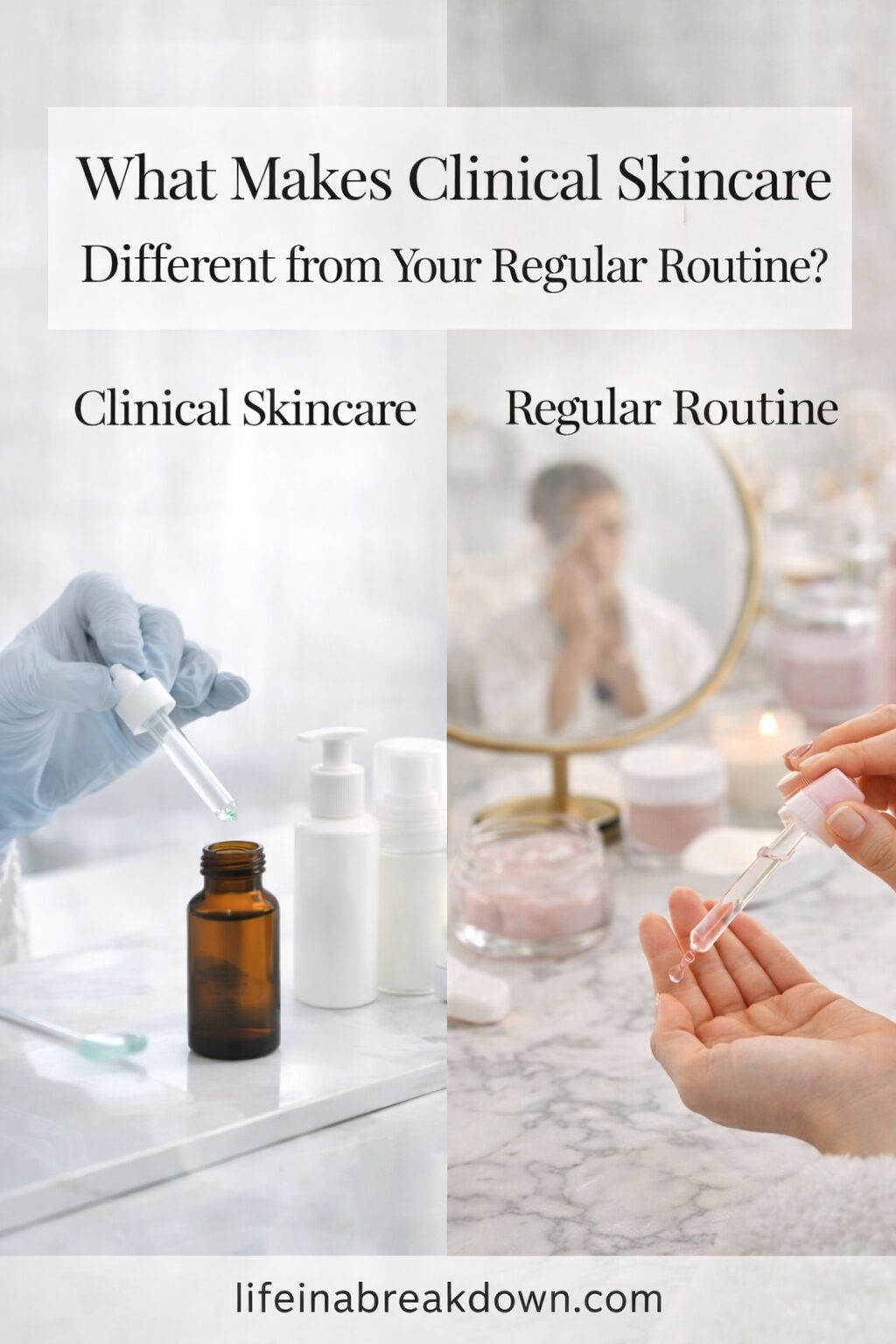
What Makes Clinical Skincare Different from Your Regular Routine?
We have all been there, standing in the middle of a brightly lit drugstore aisle, staring at a wall of colourful bottles and feeling completely lost. One label promises a youthful glow, another says it will shrink your pores, and a third claims to be a miracle in a jar. It is a bit like trying to pick a movie on a streaming service when there are too many options. You end up overwhelmed and often walk away with something that smells nice but does not actually do much for your face.
The reality is that most of us treat skincare like a hobby or a quick fix. We buy things because the packaging is pretty or because an influencer mentioned it in a thirty-second video. But if you have ever hit a point where your skin just is not cooperating, no matter how many lotions you layer on, you might have started looking for something a bit more serious. This is usually when people start asking about clinical skincare and how it actually differs from the stuff you find at the grocery store. It is not just about a higher price tag or a more professional-looking bottle. It is about moving away from “hope in a jar” and toward a strategy that actually respects the biology of your skin.
What Is the Real Difference?

To put it simply, regular skincare is mostly about the surface. It is designed to feel good, smell good, and provide some basic hydration. There is nothing wrong with that if your skin is already perfect, but most of us are dealing with real-life issues like stubborn breakouts, sun damage, or those fine lines that seem to appear overnight. Regular products are often formulated to be “safe for everyone,” which usually means the active ingredients are kept at very low concentrations so they do not cause any irritation for the general public.
Clinical products are a different breed. They are formulated with a specific goal in mind, usually developed by people who spend their lives studying skin cells, like dermatologists and researchers. Instead of trying to please everyone with a generic moisturiser, these products focus on high concentrations of ingredients that can actually get past the very top layer of your skin. If regular skincare is like a light snack, clinical products are the full, balanced meal your skin needs to actually function better.
The Myth of the “Miracle” Ingredient
You have probably noticed that almost every brand now claims to have Vitamin C, Retinol, or Hyaluronic Acid. It has become a bit of a marketing arms race. However, having an ingredient on the label is not the same thing as having an effective amount of that ingredient in the bottle.
In the world of standard retail skincare, a brand might put a tiny drop of Retinol in a cream just so they can print the word on the box. It makes you feel like you are getting a deal, but your skin might not even notice it is there. Clinical formulations focus on the “delivery system.” This is a fancy way of saying they care about how the ingredient actually gets into your skin. They use stable versions of these molecules that do not break down the moment you open the lid, ensuring that the last drop is just as potent as the first.
Why Science Matters More Than Scents

We often associate a “good” skincare product with a pleasant experience. We want it to smell like roses or lavender and have a whipped, cloud-like texture. But here is the truth: fragrance and pretty colours are often the very things that irritate your skin. Many regular products prioritise the “sensory experience” because that is what sells in a retail environment.
Clinical skincare tends to strip all of that away. It might not smell like a spa, and the texture might be more functional than fluffy, but that is because every single component in the bottle is there for a reason. These formulas are backed by actual data and trials. When a clinical brand says a product helps with redness, they usually have the lab results to prove it. They are looking at things like cell turnover and collagen production, which are the behind-the-scenes processes that determine how your skin actually looks.
Solving Real Problems
One of the most frustrating things about a generic skincare routine is the “one size fits all” approach. You might be told that a certain cream is “good for all skin types,” but your skin is unique. If you are dealing with something specific like rosacea, hyperpigmentation, or adult acne, a general moisturiser is not going to cut it. It is like trying to fix a leaky pipe with a piece of tape. It might hold for a minute, but it is not a solution.
This is where the targeted nature of clinical products shines. They are designed to address the root cause of an issue rather than just masking the symptoms. For example, instead of just dumping oil on dry skin, a clinical formula might focus on repairing your skin barrier so your face can hold onto its own moisture naturally. It is about teaching your skin how to be healthy again, rather than just providing a temporary coating.
The Conversation Around Cost
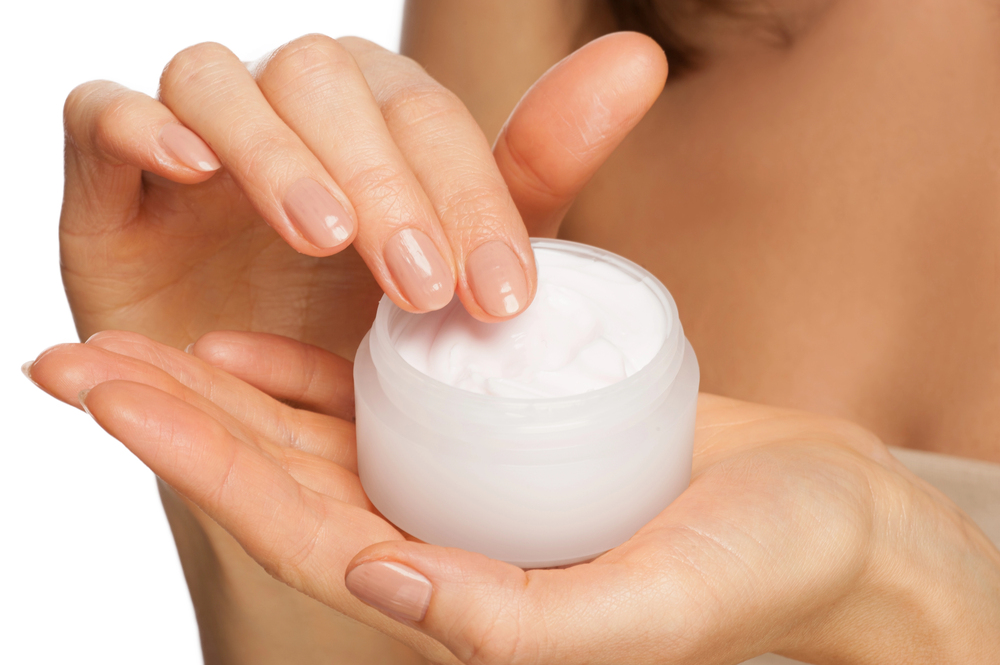
Let us be honest for a second. Clinical skincare is usually more expensive. It can be tempting to stick with the ten-pound bottle from the pharmacy, especially when life is expensive enough as it is. But if you look at your bathroom cabinet right now, how many half-used bottles do you have? Most of us waste hundreds of dollars on products that “sort of” work or that we stop using because we do not see any change.
Investing in a few high-quality, clinical-grade products is often cheaper in the long run than a graveyard of cheap bottles that do nothing. You are paying for the research, the purity of the ingredients, and the peace of mind that comes with knowing you are not just guessing. It is the difference between buying a fast fashion shirt that falls apart in three washes and a well-made piece that lasts for years.
Is It Time to Switch?
You do not necessarily need to throw everything away and start over today. Skincare is a journey, and your needs change as you get older or as the seasons shift. If your current routine makes you happy and your skin looks great, that is awesome. But if you feel like you are stuck in a cycle of trying new things and never being satisfied, it might be time to look deeper.
Switching to a more evidence-based approach is about taking the guesswork out of your mornings. It is about knowing that the liquid you are patting onto your face is actually doing the hard work of protecting your cells and repairing damage. Your skin is your body’s largest organ, and it works incredibly hard to protect you from the world. Giving it some professional-grade support is not just about vanity. It is about health, confidence, and finally feeling comfortable in your own skin without needing to hide behind a layer of makeup.
When you stop chasing the latest trends and start looking at the actual science of your skin, everything changes. You stop feeling like a consumer being sold to and start feeling like someone taking charge of their own well-being. That is a pretty great feeling to have before you even leave the house in the morning.
Pin It!