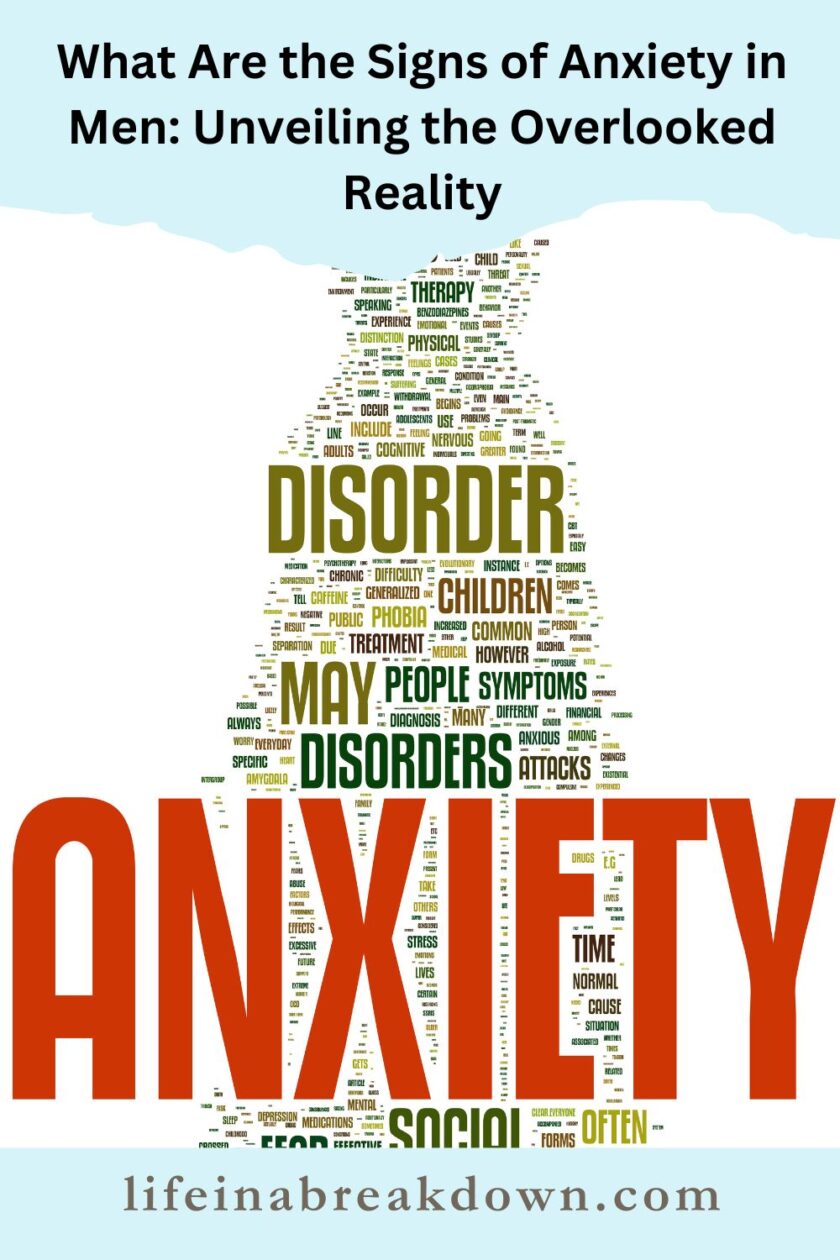
What Are the Signs of Anxiety in Men: Unveiling the Overlooked Reality
Men’s anxiety often goes unnoticed due to societal pressures that encourage men to suppress their emotions. This tendency can lead them to hide signs of anxiety or dismiss them as normal stress. As a result, many men experience anxiety without seeking help, which is important for mental health and well-being.
Identifying the signs of anxiety in men and understanding why they are frequently overlooked is important to address these mental health challenges. Common symptoms include physical signs like restlessness, fatigue, and muscle tension, which might be mistaken for everyday stressors. Men may also have difficulty expressing their emotions, leading them to downplay their feelings.
Seeking help is important for managing anxiety. Talking to an anxiety doctor online for personalised care would be helpful as it allows men to receive support in a more comfortable and private setting. This can be a valuable step toward recognising and addressing anxiety, helping them lead a healthier life.
Understanding Anxiety in Men

Anxiety in men often goes unnoticed, though it is an important issue that affects many aspects of life. Recognising symptoms and addressing misconceptions can help in identifying and managing anxiety.
Defining Anxiety Disorders
Anxiety disorders involve intense worry or fear that impacts daily life. Symptoms can include restlessness, fatigue, and trouble concentrating. Men might also experience irritability or increased heart rate. These disorders can disrupt work, relationships, and other activities. Medical professionals use guidelines to diagnose anxiety, which sometimes can be challenging for men, as they might express symptoms differently. Proper diagnosis is important for getting the right treatment, which may include therapy, medication, or lifestyle changes.
Prevalence and Misconceptions
Anxiety disorders are common, yet often misunderstood. It’s a widespread condition affecting millions, though many cases in men go undiagnosed. Some believe anxiety is a result of a weak character, which is untrue. This misconception contributes to underreporting, as men might feel pressure to hide their struggles. Another misconception is that anxiety is only extreme nervousness. In reality, it’s a serious mental health condition that requires attention and care. Education and awareness are key in encouraging more men to seek help.
Gender Differences in Expressing Anxiety
Men and women may display different signs of anxiety. Men might not openly discuss their feelings but show anxiety through anger, irritability, or substance use. Anxiety symptoms in men are often physical or behavioural because of societal expectations. They may also exhibit behaviours like avoidance or risk-taking. These differences in expression can lead to a lack of understanding, making it important to recognise and address unique symptoms in men. Enabling a supportive environment can lead to better management and coping strategies.
Identifying Signs of Anxiety in Men
Understanding anxiety in men involves recognising various signs that may not always be obvious. It includes physical symptoms, emotional and behavioural indicators, and cognitive effects, each of which can manifest differently.
Physical Symptoms
Physical symptoms in men experiencing anxiety can vary. Common signs include increased heart rate, sweating, or trembling. Some men might experience headaches or muscle tension, frequently leading to physical discomfort. These symptoms can intensify during stressful situations, making it difficult for men to relax.
Sleep disturbances are another common issue. Men may struggle with insomnia or feel fatigued despite resting. Notably, these physical signs can sometimes mimic other health conditions, so they are often ignored or misattributed.
Paying attention to these symptoms is important. Physical manifestations can indicate underlying anxiety, which might need professional evaluation.
Emotional and Behavioral Indicators

Emotionally, anxiety in men can present through pronounced irritability or mood swings. Men might feel restless or find it hard to concentrate on day-to-day activities. These emotional fluctuations can create tension in personal relationships.
Some behavioural patterns may emerge as coping mechanisms. Avoidance becomes common; men might steer clear of places or situations that provoke anxiety. Another typical sign is the use of substances like alcohol or tobacco to mask feelings.
Changes in daily habits, such as altered eating patterns or decreased interest in activities once enjoyed, can also indicate anxiety. These behaviours are indicators that shouldn’t be overlooked and may warrant a conversation with a mental health professional.
Cognitive Effects
Cognitively, anxiety in men can lead to persistent worry or obsessive thoughts. These thoughts may revolve around both real and perceived threats, causing constant stress. This mental strain can hinder decision-making skills, making it hard for men to manage their lives effectively.
Problems with memory or concentration can also occur. Men may find it challenging to remember tasks or maintain focus on work. These cognitive effects can contribute to a sense of being overwhelmed.
Irrational fears or concerns may become prevalent, leading to heightened anxiety levels. Recognising these cognitive patterns can help men identify anxiety triggers and seek further assistance if necessary.
Conclusion
Recognising anxiety in men can be challenging because their symptoms might not match the typical signs often associated with anxiety. Men may show anxiety through physical complaints, like headaches or muscle tension, or through changes in behaviour, such as irritability or restlessness.
Societal expectations often pressure men to hide their feelings, leading to their anxiety being overlooked. Being aware of these unique signs is important. This awareness helps in providing the right support and encouraging men to seek help.
Talking to a mental health professional can greatly help. Anxiety is treatable, and proper guidance can improve well-being. Understanding these signs in men is a helpful step toward effective care.
Pin It!



My partner and I are so different. If I am anxious I will sit and tell him and speak to him about it and he will make me feel better but if he is anxious I find it hard to spot the signs as he’s not vocal about it. It is hard to spot in some men.
Me and Ash are the same, times I wonder if he even recognises himself when he is struggling at times.