How to Change Unhealthy Coping Mechanisms
This post was written by Holly Ashby, a writer who works for a meditation centre in London that aims to improve people’s health and happiness through the practice of meditation. Will Williams Meditation can help people with various issues, whether they want to quit smoking or need support for anxiety.
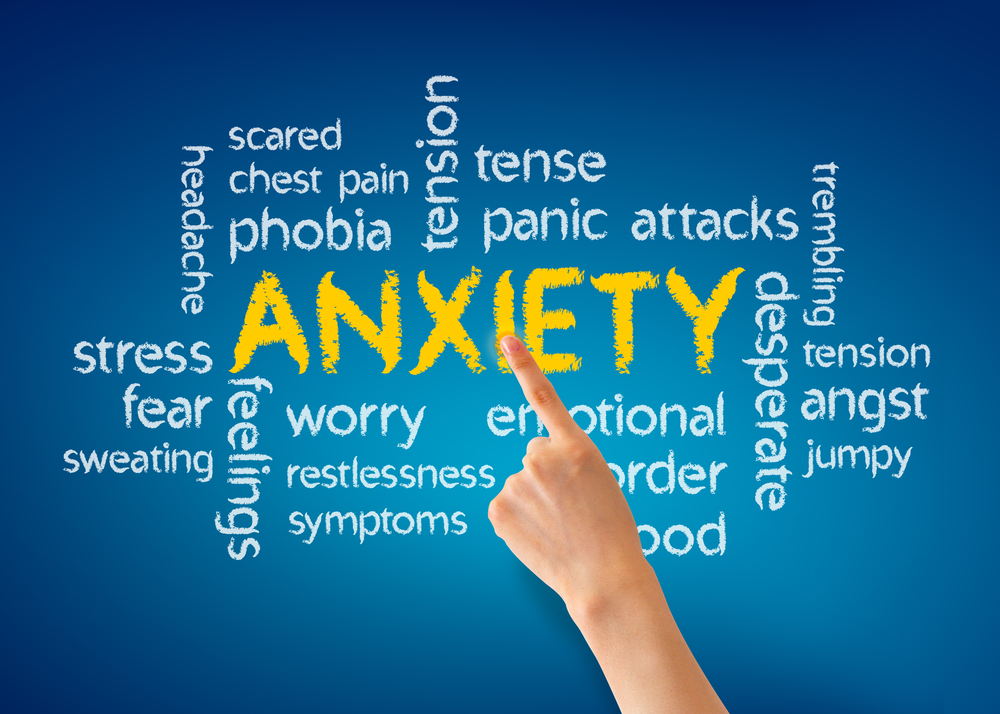
When you suffer from a mental health issue such as anxiety or chronic stress, it can be incredibly difficult to avoid relying on unhealthy coping mechanisms. Whether you try to bolster your self-esteem by ricocheting from one relationship to another, having one too many glasses of wine or waking up to a cigarette each morning, breaking bad habits is especially difficult when you are facing some of life’s challenges.
If a smoking habit is keeping you on an even keel during an especially bad time and it’s taking all your mental strength to keep your head above water, perhaps waiting until a calmer moment to tackle this unhealthy coping mechanism is the best idea. Doing otherwise might exacerbate your situation by adding extra pressure and guilt; but when this moment comes, where do you start?
Recognising & Replacing Bad Habits
Many of us develop unhealthy coping mechanisms to disguise the negative feelings we are often faced with, for example by distracting ourselves with short lived enjoyment by eating a bag of cookies if we’re feeling unhappy. If you chain smoke in the hours before a deadline, reach for a drink after a long day at work, or cope with a break up by diving head first into another relationship, it’s important to try and recognise these patterns of behaviour before trying break them.
Whether it’s promising to be single and concentrating on your own happiness for a year, going for a walk right at the moment you’d usually pour a glass of wine, or meditating when you get a cigarette craving, you can start to replace bad habits for healthy alternatives. Habit forming behaviour is extremely powerful (something that allows these coping mechanisms to take hold in the first place), so by taking these negative aspects of behaviour and replacing them with a healthier distraction, you will soon find that things like meditation, exercise and self care come more naturally to you.
Accept That You Will Sometimes Experience Negative Emotions
Living with mental health problems can make it easy to pathologise every negative emotion you experience – which at times can make unhappiness feel like a personal failing, rather than an occasional but inevitable part of life. The problem doesn’t always lie in your own mind – there may well be external problems you need to address, like a job that’s far too pressured, family problems or a relationship that would be toxic in any circumstances.
You’ll always have to be conscious of your mental health issues and recognise the difference between your symptoms and everyday life (talking to a professional or someone you trust can help with this), but perhaps you’ve got every right to feel unhappy and stressed at this moment, and anyone would in your position. Instead of trying to anaesthetise and avoid these feelings, learn to sit with them instead, and make a plan to change whatever has triggered them.
Be Kind to Yourself
While it’s true that bad habits can make you feel worse and ultimately it may be best to break them, if you have a mental health issue learning to cut yourself some slack is important. No one finds it easy to give up on a coping mechanism, even if they are otherwise perfectly healthy. If it takes you some time to change or you fall off the wagon, try to forgive yourself for it. Congratulate yourself for small changes, whether it’s having one less cigarette every day or bringing something healthy like meditation or exercise into your routine.
Guilt is often described as a useless emotion, and this is often true – while guilt can motivate you to not make the same mistake tomorrow, it can also make you wallow and exacerbate the emotions that make you rely on coping mechanisms in the first place. By taking the guilt you feel and deciding then and there not to worry about it, but simply try again tomorrow, you can make it a motivating factor rather than something that drags you down. It may take a while, but you will get there in the end, and any small positive change is something to be celebrated.