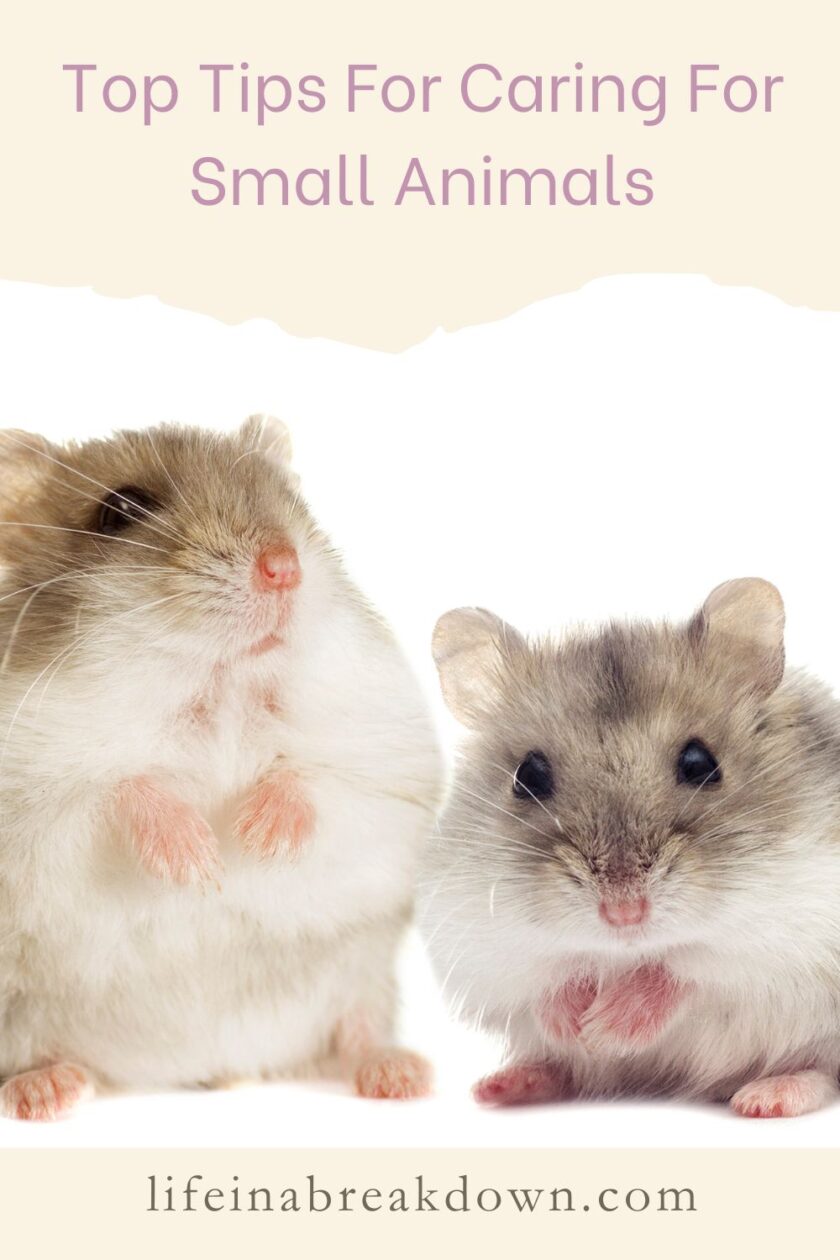
Top Tips For Caring For Small Animals
Introducing a small animal to the home is an almost non-negotiable aspect of raising a family. A hamster, guinea pig, rat or mouse will be a new point of fixation for your young child until you eventually relent, and invite a little furry friend in as their first charge. But even the most hard-hearted of parents will soften to the cuteness factor of their family’s newest member…
As popular as smaller creatures are to adopt, this doesn’t mean they are especially easy or low-maintenance to look after. Indeed, they often have special and specific needs, which you as a household need to be aware of in order to keep a healthy, harmonious home. What are some of the essential tips you should be bearing in mind when it comes to looking after an animal of the more diminutive persuasion?
A Balanced Diet

The vast majority of small animals you can expect to be looking after are herbivores. Herbivores like rabbits and guinea pigs live largely off roughage, or by another name, hay. With hay being the bulk of their diet, you want to ensure you buy purpose-made feeding hay for small animals.
You should also include finely chopped fresh vegetables such as celery and carrot alongside the hay, though for most small animals – rabbits especially – these should be treated as a carefully managed treat as opposed to a staple food. Finally, and most crucially, make sure your small animal is well-watered too!
Comfortable Home Environment
Whichever small animal you elect to invite home, they will need a home of their own to be properly comfortable and cared for. In most instances, this will be a cage of some description – though, for larger small animals like chinchillas or rabbits, you’ll need a hutch. Either way, the home in question should be large enough that your animal can explore it, and feel environmentally nourished. This means making space for them to run, and also giving them spots to hide in.
Keep On Top Of Hygiene

It is particularly important that your animal’s home, whatever size it may be, is kept clean. Your animal will be ‘doing their business’ near their food and water sources, and potentially introducing themselves to infection if their leavings aren’t cleaned up. This is also why regular grooming is key, so as to ensure they are clean and healthy – and don’t contract avoidable conditions like urine scald.
Social Interaction
Lastly but by no means in the least, your furry friend will benefit greatly from social time. Though they may seem shy or generally appreciative of being left alone, the solitary treatment can be hugely detrimental to their mental health. With this in mind, make sure someone is giving them out-of-cage/hutch time each day, and that they are getting played with on a regular basis too.
Pin It!