The Gut-Brain Connection: How Nutrition Impacts Anxiety
You’ve probably felt it before, those butterflies in your stomach before a big presentation or that sinking gut feeling when you get bad news. But have you ever stopped to wonder why your digestive system reacts to your emotions? More importantly, did you know that what’s in your gut could actually be fueling your anxiety?
Welcome to the fascinating, complex, and often overlooked world of the gut-brain connection—a biological two-way street that’s changing how we understand mental health. This isn’t about trading your therapist for a smoothie, but it is about realising that mental health doesn’t live in a vacuum. Your brain and your belly? They’re in constant conversation. And what you eat might be speaking louder than you think. Let’s dig in—both literally and metaphorically.
What Is the Gut-Brain Axis, Anyway?

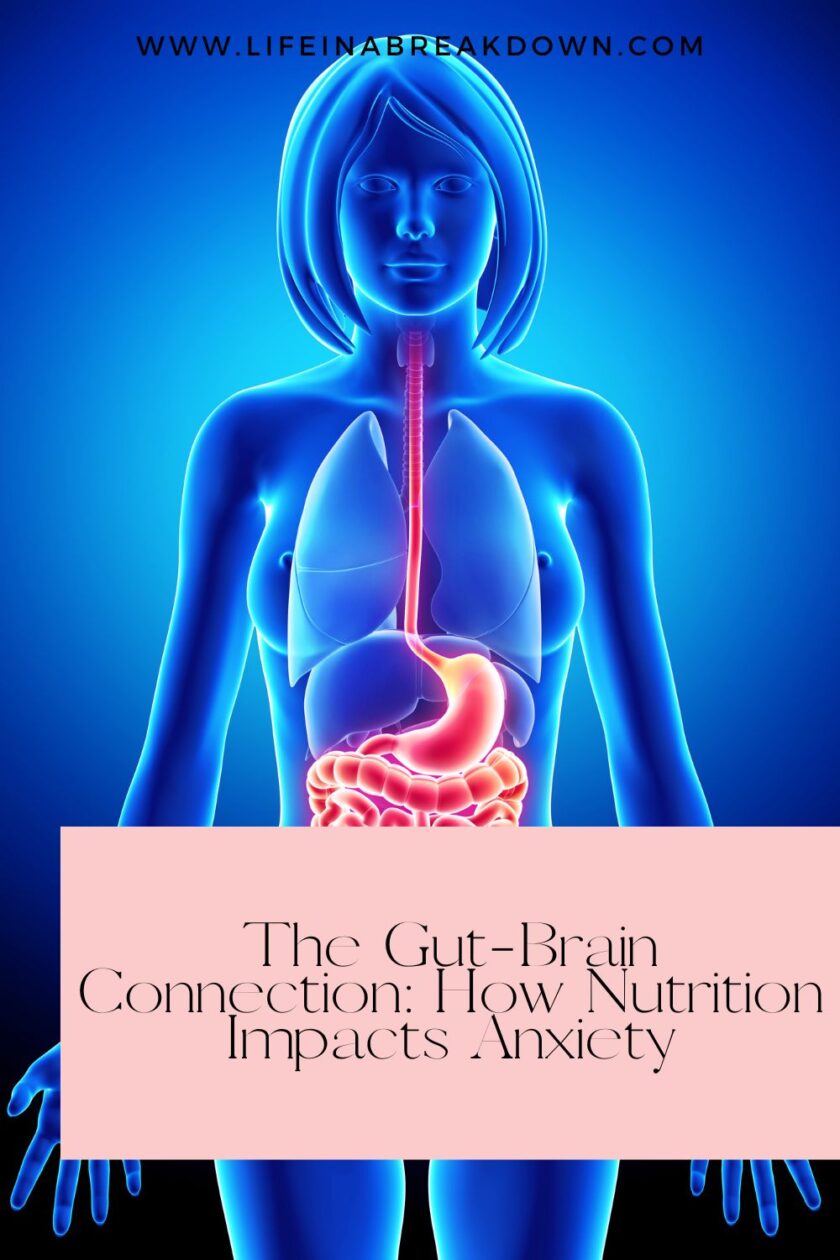
Think of the gut-brain axis as a superhighway. At one end, you’ve got your central nervous system—brain and spinal cord and at the other, your enteric nervous system, which lines your gastrointestinal tract. These two are connected via the vagus nerve, a biological fibre-optic cable that sends real-time updates between your brain and gut.
But here’s the kicker: the gut has its own nervous system, often called the “second brain.” It’s not just digesting your food it’s also manufacturing neurotransmitters like serotonin, dopamine, and GABA. In fact, around 90% of your body’s serotonin is made in your gut. Yes, you read that right—not your brain.
This two-way system means your gut can influence your mood, stress response, and even your thoughts. And your brain, in turn, can impact how your gut behaves, slowing digestion, causing inflammation, or triggering IBS symptoms. It’s a feedback loop. A glitch in one system can cause a misfire in the other.
The Role of Gut Microbiota: Your Internal Ecosystem
Inside your digestive tract live trillions of bacteria, viruses, and fungi collectively known as the gut microbiome. And far from being freeloaders, these microorganisms are busy working for you: breaking down food, producing essential vitamins, and, most relevant here, interacting with your nervous system.
When your microbiome is balanced (rich in diversity and healthy strains), it’s like a well-tuned orchestra. Everything runs smoothly, and your body functions at its best. But when your gut flora is out of whack say, due to poor diet, antibiotics, chronic stress, or lack of sleep that harmony is disrupted. The result? Increased inflammation, decreased neurotransmitter production, and heightened vulnerability to anxiety and depression. It’s no exaggeration to say your microbes might be messing with your mind. Supporting your gut with products like the Liposet Clean Gut Kit for Complete Gut Health, Detoxification & Digestion Support can help restore balance, improve digestion, and promote overall gut wellness.
Anxiety Isn’t Just “In Your Head”—It’s Also in Your Gut
If you suffer from anxiety, you might experience more than racing thoughts and restless nights. You might also battle bloating, stomach pain, nausea, or even changes in appetite. That’s no coincidence. Anxiety is one of the most common gut-brain disorders, meaning it involves dysfunction in both systems.
Here’s how nutrition ties in: what you eat feeds your microbiome. Junk food, sugar, processed oils, and alcohol fuel the bad bacteria, giving them the upper hand. Meanwhile, whole foods, fibre, and fermented goodies support the good guys, who, in turn, keep your nervous system stable.
Put simply, an unbalanced diet can lead to an unbalanced mind.
So, What Foods Help With Anxiety?
Alright, let’s talk solutions. If nutrition can fuel anxiety, it can also soothe it. The goal isn’t to follow some rigid anxiety diet it’s to support your gut so it can support your brain. That means:
1. Fermented Foods
Think: yogurt with live cultures, kimchi, sauerkraut, kefir, miso, tempeh. These foods are rich in probiotics, which are the beneficial bacteria that populate your gut and help maintain balance.
2. Prebiotics
These are the fibres that feed your good bacteria. Sources include garlic, onions, leeks, bananas, oats, and asparagus. Feeding your microbiome the right stuff is just as important as seeding it with probiotics.
3. Omega-3 Fatty Acids
Found in fatty fish like salmon, sardines, and mackerel, omega-3s have anti-inflammatory properties and support brain health. They’ve also been linked to reduced anxiety in several studies.
4. Magnesium-Rich Foods
Magnesium is a calming mineral that helps regulate the nervous system. Find it in leafy greens, pumpkin seeds, almonds, and black beans.
5. B Vitamins
Especially B6, B9 (folate), and B12, which play key roles in neurotransmitter synthesis. Eggs, legumes, leafy greens, and meat are all great sources.
6. Polyphenol-Rich Foods
Think dark chocolate (yes!), green tea, blueberries, and turmeric. These contain antioxidants that reduce inflammation and support brain function. And yes, hydration matters, too. A dehydrated brain is an anxious brain.
The Sugar-Anxiety Spiral

Let’s talk about sugar the sweet saboteur. Eating too much sugar causes blood sugar spikes and crashes, which the body interprets as stress. This stress response releases cortisol, which amplifies feelings of anxiety.
Worse still, sugar feeds the bad bacteria in your gut. It’s like rolling out the red carpet for them while starving the good ones. This can lead to dysbiosis, the fancy word for microbial imbalance. If you’ve ever had a sugar binge followed by anxiety, irritability, or foggy thinking, you’ve experienced the gut-brain connection in real time.
The Caffeine Conundrum
Caffeine can be a double-edged sword. A little bit might make you feel alert and focused. But too much? It spikes cortisol and adrenaline your stress hormones and can tip you into anxiety, especially if your baseline anxiety is already high.
Plus, caffeine is a known gut irritant. It can worsen IBS, acid reflux, or cause jitters if you’re sensitive. Consider cutting back or switching to calming alternatives like rooibos, chamomile, or tulsi tea.
When Nutrition Isn’t Enough: The Case for Holistic Support
While nutrition is a powerful lever in managing anxiety, it’s rarely a silver bullet. Anxiety is complex. Sometimes, it’s rooted in trauma, thought patterns, hormones, or a nervous system stuck in fight-or-flight mode.
That’s where holistic therapy for anxiety comes in. It integrates body, mind, and environment, looking not just at symptoms but at the whole person. Approaches might include somatic therapy, acupuncture, mindfulness practices, EMDR, or functional medicine all of which recognise the gut-brain connection as a piece of the larger puzzle.
Nutrition can set the foundation, but holistic support can build the house.
Real Talk: Why This Matters More Than Ever
Modern life isn’t kind to our guts. Between ultra-processed foods, round-the-clock stress, antibiotics in our meat, and dwindling time for meals that aren’t microwaved, we’re living in a microbial warzone. Anxiety is on the rise, and the connection isn’t just psychological. It’s physiological. Here’s the good news: this is changeable. You don’t need to overhaul your life overnight. You just need to start listening to your gut literally and figuratively.
Baby Steps Toward a Healthier Gut (And Calmer Mind)
Start small. You don’t need to become a fermentation fanatic overnight. Here are a few easy entry points:
- Add one fermented food to your week.
- Swap white bread for whole grain.
- Drink a glass of water before your coffee.
- Choose a trail mix with pumpkin seeds instead of chips.
- Try cooking one plant-based meal a week with legumes and leafy greens.
Every time you eat, you’re feeding either anxiety or calm. That’s not meant to guilt-trip you it’s meant to empower you.
Emotional Cravings or Microbial Whispers?
Do you know that sudden, irrational craving for a doughnut at 9:47 p.m.? What if it wasn’t you making that decision, but your gut bacteria? Strange as it sounds, research shows that your gut microbes can actually influence your cravings. When the balance is off, the bacteria that thrive on sugar and refined carbs can send signals through the vagus nerve to manipulate your eating behaviours. Their survival depends on your choices.
It’s a wild concept tiny microbes nudging your brain, whispering for cookies. But it’s also a liberating one. Because when you start shifting your diet to feed the bacteria that want you to thrive, those intense urges for junk can start to fade. You regain the driver’s seat. What we often label as “emotional eating” may sometimes be a gut-level negotiation. And it’s a negotiation you can win, one whole food at a time.
The Future of Mental Health Might Be in Your Fridge
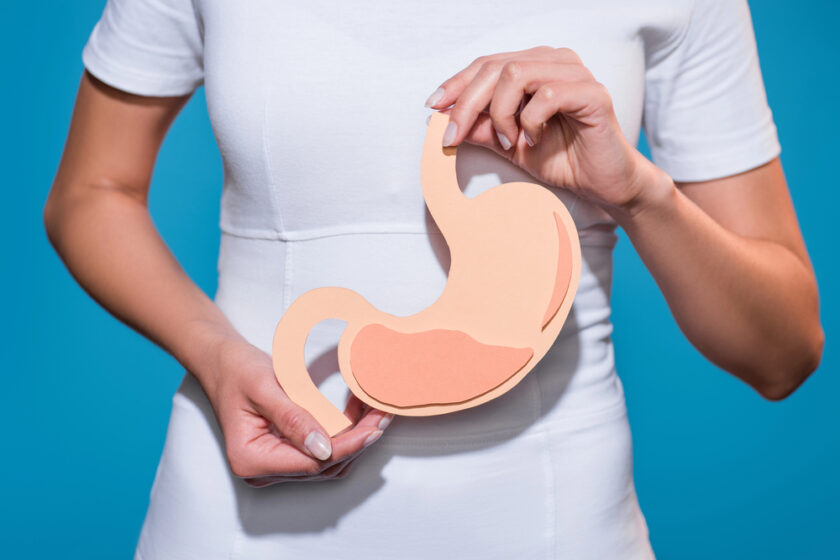
What if we treated food as one of the first-line interventions for anxiety? What if therapists and doctors teamed up with nutritionists to treat the whole system instead of just the symptoms? What if we began to see a calming meal as part of our self-care routine, just as important as sleep, boundaries, and connection?
This isn’t about clean eating. It’s about conscious eating.
Your gut is talking to your brain every single day. The question is what are you feeding that conversation?
In Closing: Eat Well, Feel Better
Anxiety doesn’t make you broken. It makes you human. And while your journey to healing might be unique, nutrition is one powerful, underutilised tool in your toolkit.
The gut-brain connection isn’t just a wellness trend, it’s biology. It’s ancient. And it’s your reminder that you are not just a brain in a jar. You are a whole, connected being. And your path to calm might just begin at your next meal.
So go ahead. Feed your brain. Heal your gut. And see what shifts.
Because sometimes, the road to peace of mind goes right through your stomach.
Pin It!






This was such an eye-opening read! I never realised how much my gut health could be influencing my anxiety. I’ve started making small changes like adding more fibre and fermented foods, and I can already feel a difference.