Practical Exercises for Scoliosis Management
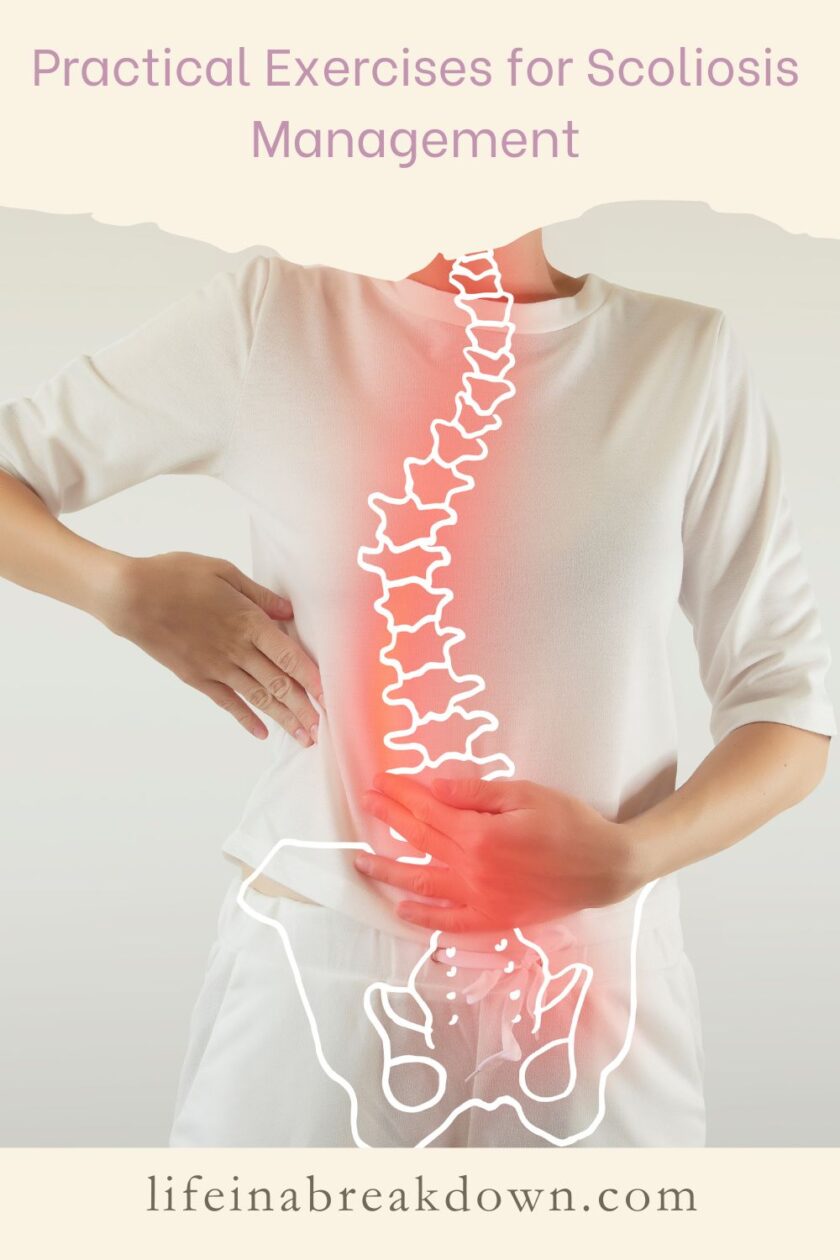
Scoliosis is a condition in which our spine is curved unnaturally and can provoke pain and multiple other problems if not taken care of properly. While consulting with a doctor is necessary for an accurate diagnosis and treatment, you can also do many exercises to learn how to live with scoliosis. The exercises for scoliosis included in this article can all have postural and muscle strength benefits, each helping to reduce some symptoms of scoliosis. The exercises included in this text can improve posture and muscle strength and relieve symptoms of scoliosis. Moreover, the scoliosis prevention management approach may also help improve general motion and quality of life. That is why you should know what exercises are perfect for your back pain.
Benefits of Exercise for Scoliosis
Engaging in regular exercise can offer several benefits for individuals with scoliosis:
- Improved Posture: Certain exercises can be done to strengthen the muscles that support our spine (such as these core workouts), resulting in better posture and alignment.
- Increased Flexibility: More flexibility in the spine and its surrounding muscles will occur along with stretching and mobility training, which can decrease stiffness.
- Strengthening Core Muscles: Your core and abdominal muscles should be strong to support the back and keep it aligned, which benefits those with scoliosis.
- Pain Relief: Workouts can help relieve pain and discomfort for anyone with mild scoliosis accompanied by muscle imbalances.
- Enhanced Functionality: Better performance in daily activities in different areas of life can translate into better quality of life. Improving strength and flexibility achieves increased functional function.
Recommended Exercises for Scoliosis

Cat-Cow Stretch
Cat-Cow Stretch is a great spinal flexibility and mobility exercise. To do this stretch, get on your hands and knees as you would on the tabletop. Inhale and back into the Cow by lifting your head and tailbone to the ceiling. As you exhale, approach Cat by rounding the back, tucking your chin to the chest, and drawing your belly and pelvis in. Run through this pattern for 10-15 breaths, letting your spine gently rise and fall with each one.
Side Stretch
The Side Stretch improves lateral flexibility and lengthens the muscles of the back. Start with your feet hip-width apart, lying or sitting down. Lift your right arm up and gently bend over to the left, stretching the side of your right body. Keep this pose for 15–30 seconds before changing to the other side. Perform this stretch 2-3 times on each side to improve the flexibility of the muscles on your sides.
Plank
The plank is a base-level exercise for scoliosis designed to strengthen the stability muscles of the core and maintain proper spinal alignment. A plank is performed lying in a face-down position, palms flat on the floor, and your toes bent under until your whole body weight is balanced between your knees and elbows. A plank may be eased under forearms instead of hands, with the torso resting partially on the elbows. Tighten the abdominal muscles and hold this position for 20–30 seconds, gradually increasing the time as you become stronger. Remember to plank so your body is straight and your hips align with your spine.
Bridge
These exercises for scoliosis bring together your glutes and lower back to create a more stable body. Start by lying on the floor with your feet flat and separate (hip-width apart) and your knees bent. As you lift your hips to the ceiling, imagine pushing through your heels and contracting both your core and glutes. Then, hold this upper position for 5–10 seconds while slowly lowering back down. Move through the exercise for 10-15 repetitions to improve lower body strength and stability.
Seated Twist
This is an example of how you can work in support, freedom, and range of movement of the spine, as well as receiving stretch on muscles surrounding the back. Begin by sitting on the floor with your legs extended out before you. Bend your right knee and place the foot near the outside of your left thigh. Then, twist the torso to the right and hook your left elbow with that right knee. Hold the twist for 15-30 seconds and then repeat on the other side. Do this 2-3 times per side and feel your spine get stretched open.
Child’s Pose
You can do Child Pose, which stretches the spine for a therapeutic, relaxing stretch. Begin by resting on your knees, big toes touching, knees apart. Sit back on your heels, extend your arms on the floor, and lower your chest. Hold this for 30 seconds to one minute while taking long, deep breaths. They let the back sign into itself—not such a bad thing after all, and better than dissolving into the commotion so many things can be.
Precautions

If you have scoliosis, make an appointment with your healthcare provider or physical therapist before exercising. They can create a cardio and strength program within your capabilities that ensures you are doing it correctly and not aiding in injury. This customised approach helps reduce the risk of injury and get the most out of every exercise. A professional can also direct you on the correct posture and proper form that often make or break your postnatal exercises.
Conclusion
You can ensure your spine can function by getting scoliosis exercises to improve strength and flexibility. Stretching, strengthening, and stabilisation exercises that support the spine can help reduce discomfort. While these exercises can help in some ways, they work best as a part of an overall treatment plan recommended by health care professionals. Just monitor your progress and check in with your doctor whenever you have different symptoms or can no longer do things as you used to. With some dedication and the best strategy, you can easily take actionable actions to acquire a commensurate degree of comfort alongside a notably enhanced personal standard of living by participating in your regular activities.
Pin It!