Innovations In Eco-Friendly Home Design
The demand for eco-friendly home design is growing, driven by a heightened awareness of environmental impacts and a desire for healthier, sustainable living spaces. As we explore innovative solutions, it’s clear that green building benefits the planet and offers significant long-term savings and health benefits for homeowners. By implementing cutting-edge materials and technologies, anyone can transform their living space into a model of efficiency and sustainability.
Fundamentals Of Eco-Friendly Design

Eco-friendly design transcends traditional aesthetics and functionality, embedding environmental consciousness at its core. Key principles include maximising energy efficiency, utilising sustainable materials, and minimising ecological impact.
Homeowners can achieve these goals through strategic design choices such as integrating passive solar heating, which harnesses sunlight for natural heating and lighting, thus reducing reliance on artificial sources.
Additionally, green roofs can insulate homes more effectively while creating biodiversity and managing rainwater in urban areas.
Obtaining Your Domestic Electrical Installation Certificate
Securing a domestic electrical installation certificate (EICR) is vital, especially when integrating non-standard, eco-friendly technologies. This certificate verifies that your home’s electrical systems are installed correctly and comply with strict safety standards.
Homeowners should hire qualified electricians experienced with renewable energy installations to ensure all work meets regulatory requirements. To streamline the process, it’s advisable to book your domestic EICR at Hexo, which specialises in these assessments.
Planning inspections early in the construction or renovation phase can prevent potential setbacks that might otherwise disrupt the integration of innovative electrical solutions like solar panels or energy-efficient heating systems. Proactive coordination with professionals ensures that your eco-friendly home supports sustainable living and adheres to all safety protocols.
Revolutionary Building Materials
Innovations in building materials have opened up new possibilities for eco-friendly construction. Materials such as bamboo, which grows rapidly and absorbs carbon at a high rate, offer a robust and aesthetically pleasing alternative to traditional hardwoods. Recycled steel provides another excellent option, reducing the demand for new iron ore mining.
Homeowners looking to build or renovate should consider these materials for their environmental benefits, durability, and unique visual appeal. Incorporating such materials can significantly lower a home’s carbon footprint while ensuring that the building remains stylish and functional.
Energy-Efficient Technologies

Adopting energy-efficient technologies is crucial for reducing a home’s operational costs and environmental impact. High-performance insulation and triple-glazed windows can dramatically improve a building’s thermal efficiency, keeping homes warmer in winter and cooler in summer with less energy consumption.
LED lighting is another simple yet effective upgrade that cuts energy and costs. To maximise the benefits, homeowners should explore integrated home energy systems that monitor and manage energy consumption, ensuring that every watt is used as efficiently as possible.
Water Conservation Strategies
Water conservation is a key aspect of sustainable home design. Installing systems such as rainwater harvesting can capture and repurpose rainwater for garden irrigation and toilet flushing, significantly reducing household water demand. Low-flow fixtures in showers, taps, and toilets can also achieve considerable savings in water usage without sacrificing performance.
For gardens, choosing native plants that require less water and incorporating drip irrigation systems can further enhance water efficiency. These strategies lower utility bills and contribute to a sustainable ecosystem by reducing strain on local water resources.
Sustainable Heating And Cooling Systems
Integrating sustainable heating and cooling systems into the home is vital for maintaining comfort without excessive energy use. Options like geothermal heating use the earth’s stable underground temperature to heat and cool the home efficiently.
Similarly, solar air conditioning harnesses solar power to cool spaces, reducing reliance on conventional energy sources. Advanced heat recovery ventilators enhance air quality by replacing stale indoor air with fresh outdoor air without losing heat.
Homeowners should consider these technologies to significantly reduce their energy bills and enhance indoor comfort sustainably.
Integration Of Renewable Energy Sources
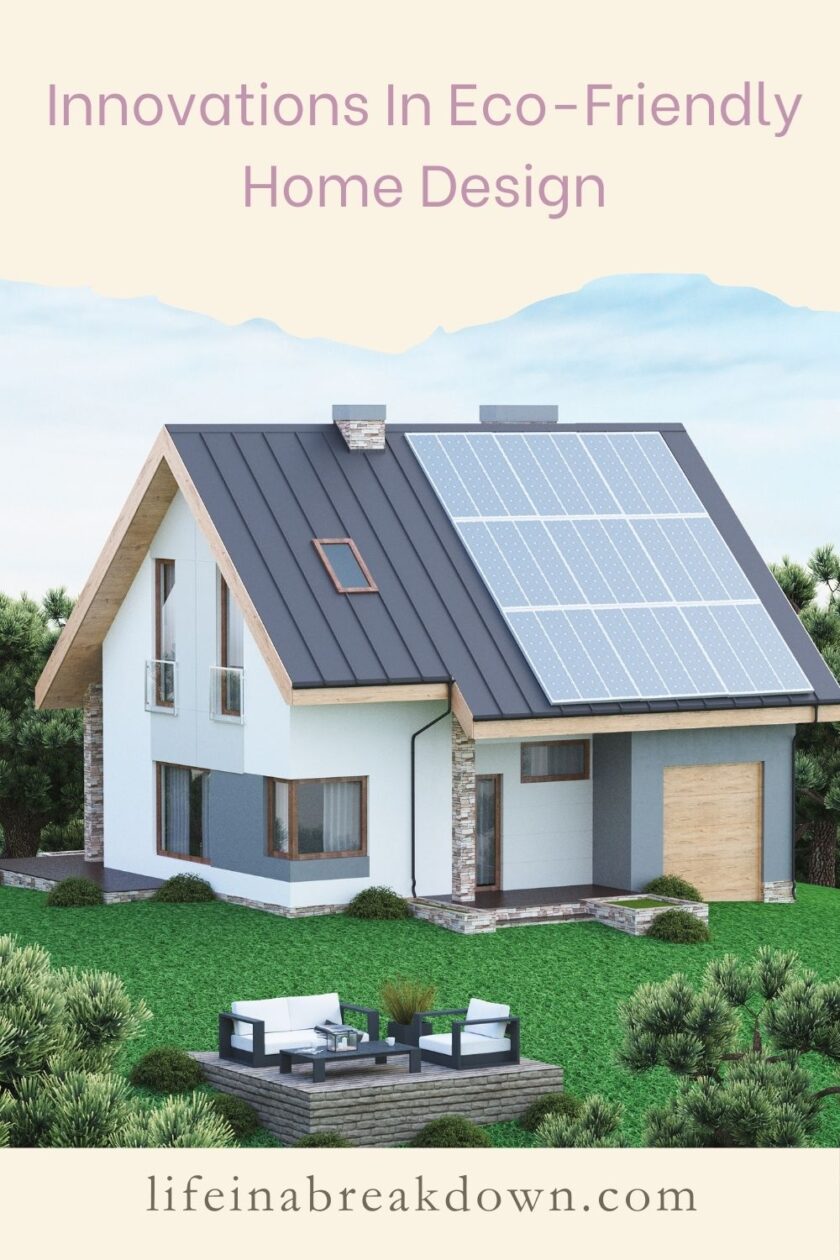
Integrating renewable energy sources such as solar panels, wind turbines, and biomass energy systems into residential designs is no longer futuristic but a feasible, practical solution for today’s energy needs. Solar panels, in particular, have become more accessible, allowing homeowners to generate clean energy.
When combined with battery storage systems, these technologies can provide energy independence and even return energy to the grid. Choosing the right system involves assessing your home’s orientation, location, and energy requirements to ensure optimal energy production and utilisation.
Smart Home Technologies For Sustainability
Smart home technologies have revolutionised our lives, bringing sustainability into the digital age. Automated systems can control lighting, heating, and cooling based on real-time usage data, optimising energy consumption.
Smart thermostats adjust the indoor temperature based on occupancy patterns, while automated blinds can reduce heat loss in winter and keep homes cooler in summer. For those seeking to minimise their ecological footprint, installing smart water meters can detect leaks and monitor water usage, ensuring every drop is used judiciously.
Green Roofs And Living Walls
Green roofs and living walls offer more than just aesthetic value; they contribute significantly to eco-friendly home design. Green roofs provide excellent insulation, reduce runoff and lower urban air temperatures. Similarly, living walls can purify indoor air, reducing the need for mechanical ventilation.
Both features support biodiversity and can transform urban spaces into lush, green habitats. Homeowners looking to implement these features should consult specialists to ensure structural integrity and appropriate plant selection for their specific climates and building conditions.
Indoor Air Quality And Health
High indoor air quality is crucial for a healthy home environment, especially in eco-friendly designs. Utilising low-VOC (Volatile Organic Compounds) materials in paints, finishes, and furnishings significantly reduces indoor pollutants. Proper ventilation systems are essential; they circulate fresh air and filter out contaminants and allergens.
Incorporating plants into home design enhances aesthetics and naturally purifies the air. Homeowners should prioritise these aspects to ensure their home is environmentally friendly and a sanctuary that supports their health and well-being.
Designing For Durability And Timelessness
Creating a home that stands the test of time is as important as its ecological footprint. Durable, high-quality materials reduce the need for frequent replacements and renovations, contributing to sustainability. The timeless design avoids trends that go out of fashion quickly and instead focus on classic aesthetics that remain appealing.
This approach ensures that the home remains functional and stylish for decades, reducing waste and the need for new resources. When planning a build or renovation, consider the longevity of each element to create a home that remains valuable and cherished over the years.
Regulatory And Planning Considerations
Navigating local regulations and planning permissions is essential for any eco-friendly building project. Understanding zoning laws, building codes, and environmental regulations can influence the design and construction of your home. Homeowners should engage with local planning authorities early in the project to ensure all aspects of their eco-friendly design comply with current standards and regulations. This engagement smooths the path to project completion and ensures that the home meets all legal requirements for sustainability and safety.
Adopting eco-friendly home design principles represents a significant step towards sustainable living. By understanding and applying innovative solutions in materials, technologies, and systems, homeowners can create beautiful and beneficial spaces for the environment. It is a proactive approach that enhances quality of life while taking responsibility for our planet’s future. As we evolve our living spaces, let us commit to choices prioritising sustainability, efficiency, and health.
Pin It!