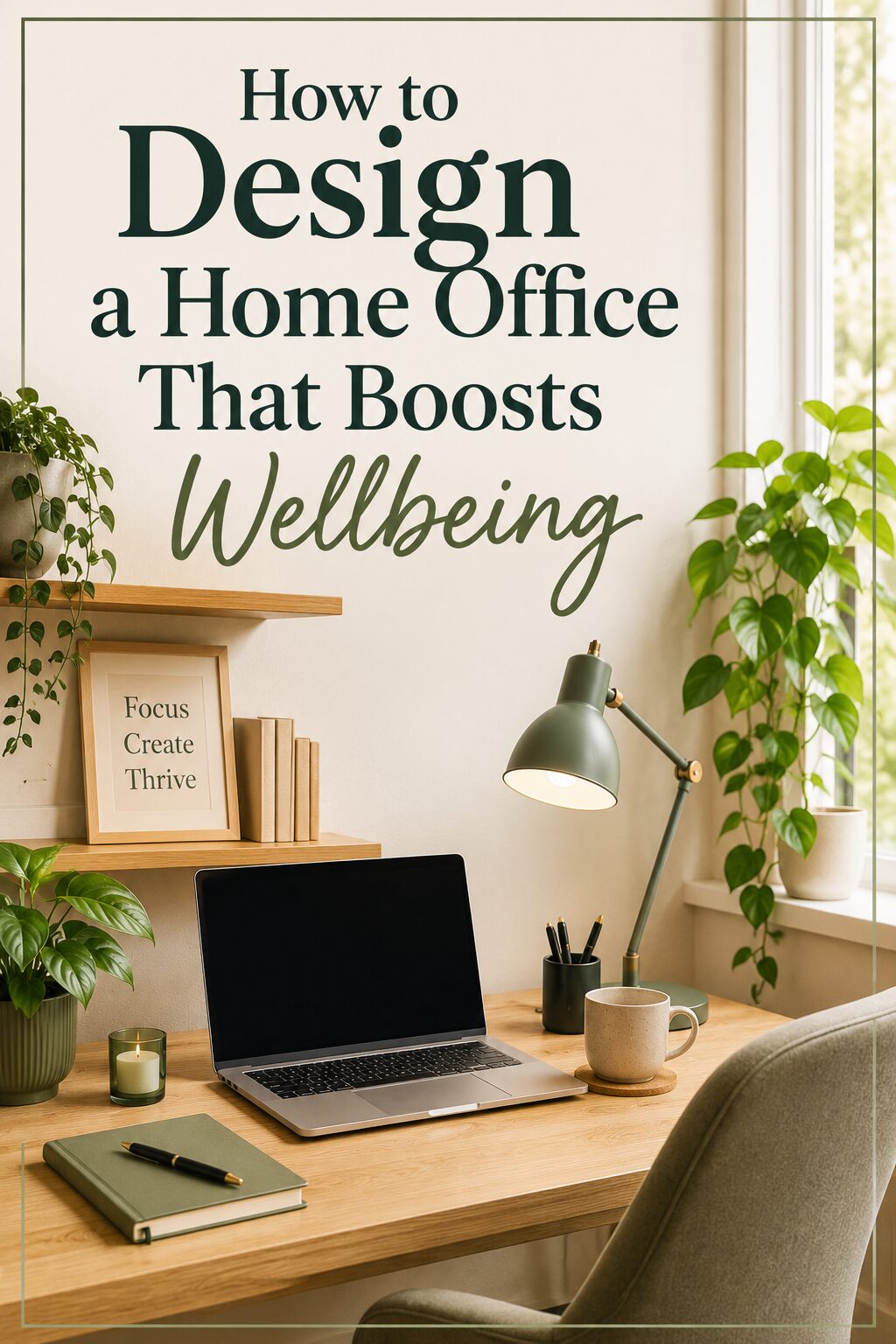
How to Design a Home Office That Boosts Wellbeing
Working from home has changed how millions of us live. The kitchen table did the job at first. Over time, though, a makeshift setup starts to ache in your back and drain your focus.
A home office is a dedicated space in your home set aside for work. Getting it right is about more than a desk in a corner. The right layout, the right furniture, and a few good habits turn a spare room into a space you actually want to use. Many people now invest in custom office furniture built to fit the room and last for years. This guide shows you where to start.
Why Does a Home Office Setup Matter?

Your surroundings shape how you work. A cramped, cluttered corner pulls your attention in ten directions. A calm, organised space helps you settle and focus.
There is a health angle too. Many of us now sit for 8 hours or more a day, and poor posture builds into real pain over months. A thoughtful setup protects your body as well as your concentration.
Ergonomics is the science of designing a space to fit the person using it. Get it right and the working day feels lighter. Get it wrong and every small annoyance adds up by Friday.
A home office also draws a line between work and rest. When everything happens at the kitchen table, the working day never quite ends. A separate space lets you close the door and switch off. That protects your evenings as much as your back. Recent figures show around 4 in 10 UK workers now do at least some of their job from home, so that boundary matters more than ever.
What Furniture Does a Home Office Need?
Start with the pieces you use every day. A few core items do most of the heavy lifting, so spend your budget there first.
- A solid desk. Pick a height and depth that suit your build.
- A supportive chair. This is the single most important purchase.
- Smart storage. Shelves and drawers keep the surface clear.
- Good lighting. Natural light first, then a warm desk lamp.
- Cable management. A few clips tidy the mess behind the desk.
A supportive seat matters most of all. If yours leaves you sore, it may be time to replace your office chair with something built for long days.
Why Custom Furniture Can Be Worth It
Custom office furniture is made to order for your space, your height, and your style. Flat-pack pieces are cheap, but they rarely fit a room properly. A made-to-measure desk uses every inch and tends to last far longer, which often makes it the better value over time.
How Do You Keep a Workspace Healthy?
A good setup is only half the job. How you use it through the day matters just as much
The HSE offers clear guidance on workstations and screen use for anyone who works at a desk. Position the top of your screen at eye level. Keep your feet flat and your wrists straight. Small adjustments here prevent most aches.
Movement is the other half. Sitting still for hours is the real problem, not the chair itself. A few simple habits help:
- Stand up and stretch at least once an hour.
- Follow the 20-20-20 rule to rest your eyes.
- Take a proper lunch break away from the desk.
- Keep water nearby so you move to refill it.
Small focus aids can help too, and even simple tools to aid concentration suit some people during long tasks. The goal is steady attention, not constant pressure.
How Can You Work More Sustainably?

A home office is a chance to choose better materials. Solid wood lasts for decades and ages beautifully, unlike chipboard that sags within a few years.
Look for responsibly sourced timber when you buy. The FSC label on wood shows it comes from forests managed to a recognised standard. Buying once, and buying well, is kinder to the planet than replacing cheap furniture again and again.
It is worth thinking about the whole life of a piece. A well-made desk can be sanded, repaired, and passed down for decades. Cheap furniture usually heads to landfill within a few years. So the greener choice is often the one that simply lasts the longest.
Biophilic design is the practice of bringing natural elements indoors. A plant on the desk, a wooden surface, and a window view all lift the mood of a room. They cost little and make a workspace feel calmer.
What to Remember
- A dedicated, organised space protects both focus and health.
- Spend your budget on a supportive chair and a solid desk first.
- Set your screen at eye level and keep wrists and feet neutral.
- Stand and stretch at least once an hour to break up sitting.
- Choose solid, responsibly sourced wood that lasts for years.
- A few natural touches make the room calmer and more pleasant.
A Workspace Worth Sitting In
A great home office is built slowly, one good choice at a time. Sort the layout, invest in the furniture you use most, and add habits that keep you moving. Do that, and your workspace will support your best work for years, rather than wearing you down by lunchtime.
Frequently Asked Questions
What Is the Most Important Home Office Purchase?
A supportive chair, without question. You sit in it for hours, so it shapes your posture and comfort more than anything else. A quality desk comes next, ideally one sized to your height and the room you have available.
Is Custom Office Furniture Worth the Cost?
For many people, yes. Made-to-measure pieces fit your space exactly and use materials that last far longer than flat-pack. Spread across years of daily use, the cost per day is often lower, and the room simply looks and works better.
How Can I Make a Small Room Work as an Office?
Use vertical space with shelves, choose a compact desk, and keep the surface clear. Good lighting and a tidy layout make even a tight corner feel workable. Storage that goes upward rather than outward is your best friend here.
How Often Should I Take Breaks?
Aim to stand and move at least once an hour, and rest your eyes regularly with the 20-20-20 rule. A proper lunch break away from the screen also helps. Short, frequent breaks keep both your body and your focus fresh.
Pin It!