How to Incorporate Meaningful Elements in Your Landscape
Not every landscape speaks to the people who walk through it. Some spaces are beautiful but feel empty. Others carry a quiet weight that draws you in and makes you pause. That difference often comes down to meaning.
A meaningful landscape goes beyond flowers and fencing. It represents personal stories, family memories, and moments that matter. As a result, it turns your yard into a piece of who you are.
You don’t need a massive budget or rare plants to create that feeling. Instead, you need thoughtful choices. You need to connect design with emotion. You need to see your outdoor space as a place that holds part of your life. This guide walks you through how to bring that kind of meaning into your landscape in ways that feel real and lasting.
What Makes a Landscape “Meaningful”
A meaningful landscape starts with intention. Instead of following trends, designing a landscape should focus on what works for you. The goal is to make the space functional and personal, not to follow popular styles.
That kind of space represents your history, values, and the things that matter most.
Meaning can come from many directions. It might be the tree planted the year your child was born. Or the stone path that leads to a favourite reading spot. Maybe it’s a colour scheme that reminds you of where you grew up. Each choice holds a piece of your story.
These elements often don’t stand out at first glance. But over time, they add layers of emotion that you feel when you walk outside. That’s what separates a meaningful yard from one that’s simply well-designed. A well-designed yard looks good. But a meaningful one creates a positive experience every time you use it.
Emotional and Symbolic Value in Outdoor Design
Design choices can hold emotional depth. For instance, a certain flower might bring back a memory. Besides, a water feature might remind you of a peaceful trip. Symbols matter too. Statues, stones, or even a specific layout can carry spiritual meaning.
The key is knowing what matters to you. From there, you can build a landscape that feels like part of your story. This emotional layer gives your space lasting power. Also, it makes your yard feel alive, even when it’s still.
Personal Touches That Tell a Story

Using Heirlooms and Family Artefacts
Family items can bring memories into the design. For example, a worn watering can, a ceramic planter from a grandparent’s porch, or a handcrafted trellis can each hold quiet value. When placed thoughtfully, these pieces bring a sense of age and identity. They don’t need to be centrepieces to feel important.
The more personal the item, the more deeply it connects to the space. They are reminders of people and moments that shaped your home and your story.
Memorial Features Like Benches or Headstones
Many people include memorial elements in their yards to honour loved ones. For instance, benches can offer a quiet place to sit and remember. Others place headstones or small engraved markers near trees or flowers. These features bring memory into the space in a way that feels lasting and personal.
Designing Around Life Events and Milestones

Gardens for Births, Anniversaries, or Remembrance
A garden can quietly mark important life events. You might plant a tree for a child’s birth or create a flower bed for a wedding anniversary. These choices give the space emotional weight. Also, they help you return to those memories as seasons pass and the garden changes.
Remembrance gardens are often simple. A curved path, a low bench, and a favourite plant can create a quiet space o remember someone. These areas don’t need signs or labels. Their meaning is clear to those who know the story.
Timeless Plants That Grow with Memories
Some plants carry symbolic value. For example, trees like oaks or maples grow over decades, holding space for long-term memories. Roses, lilies, or lavender often appear in personal gardens tied to someone’s life.
When you choose plants that last, they become part of your history. You watch them grow each year and feel the time moving with them. That’s why the connection between growth and memory gives your space a sense of quiet permanence.
Incorporating Cultural or Spiritual Symbols
Cultural and spiritual details can shape the identity of a landscape. These elements bring in meaning from personal beliefs and long-held traditions. When chosen with care, they add quiet presence to the space.
Statues, Sculptures, and Religious Icons
Many people choose to add visual symbols of faith or tradition to their garden. For example, a small statue, a carved figure, or a religious icon can hold quiet meaning without taking over the space. These elements work well near entry points, tucked among greenery, or placed near a water feature.
Also, materials and placement matter. Stone, bronze, and weathered wood often blend naturally into outdoor settings. And, choosing a location that feels respectful helps the piece hold its intended meaning.
Feng Shui, Zen Gardens, and Traditional Layouts
Feng Shui focuses on energy flow through careful placement of plants, stones, water, and entry points. Also, it uses direction, colour, and the five elements to support harmony. Zen gardens focus on simplicity and mindfulness, using raked gravel, stones, and minimal plants.
Traditional layouts, however, vary by culture. For example, Japanese gardens highlight asymmetry and nature. Meanwhile, Mediterranean spaces often use terracotta, herbs, and shaded seating. In both cases, these designs show deeper values through structure, material, and placement.
Blending Aesthetics with Sentiment
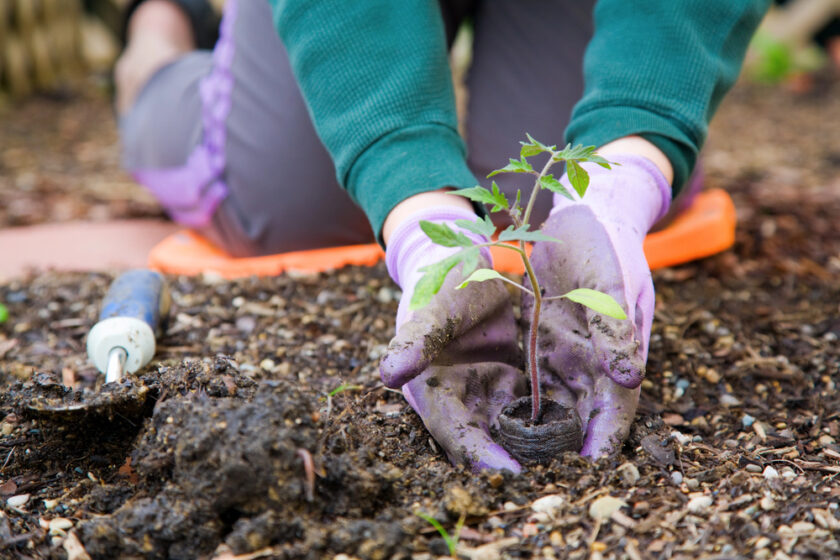
Designing a landscape that looks good and holds personal meaning requires careful thought. Every choice, material, colour, and layout should support both function and emotion. When visual beauty aligns with memory or tradition, the result feels grounded and lasting.
Balance Between Beauty and Meaning
Some features may look simple but carry emotional weight. For example, a bench placed near a childhood tree or a path that leads to a quiet space can be both attractive and meaningful. Colour, texture, and structure still matter. But they should not overpower the reason the feature exists. Instead, visual harmony supports the emotional tone of the space. That balance invites people to connect with it without needing explanation.
Further, design decisions can echo the stories behind them. For example, repeating shapes or materials found in family homes can bring quiet consistency. This kind of subtle design makes the entire space feel thoughtful and lived in.
Long-Term Maintenance of Sentimental Features
Personal elements often need extra care. A memorial tree or handmade stone marker can wear over time without proper upkeep. That’s why choosing weather-resistant materials and planning for seasonal changes helps preserve their look and meaning.
But maintenance doesn’t need to be complex. Simple routines like seasonal trimming, resealing wood, or checking engravings once a year can protect these features without changing their character.
Conclusion
A meaningful landscape grows from thoughtful choices. It shows the values, memories, and emotions that matter most to you. Whether it’s a small bench tucked under a tree, a statue that honours your heritage, or a plant that reminds you of home, every element plays a role in shaping the experience of the space.
When you design with intention, your yard becomes part of your story. These choices may take time, but the result is a space that feels personal, lived in, and deeply connected to your life. Start with what matters to you, and let the design follow. The meaning will come through in the details you choose to keep close.
Pin It!