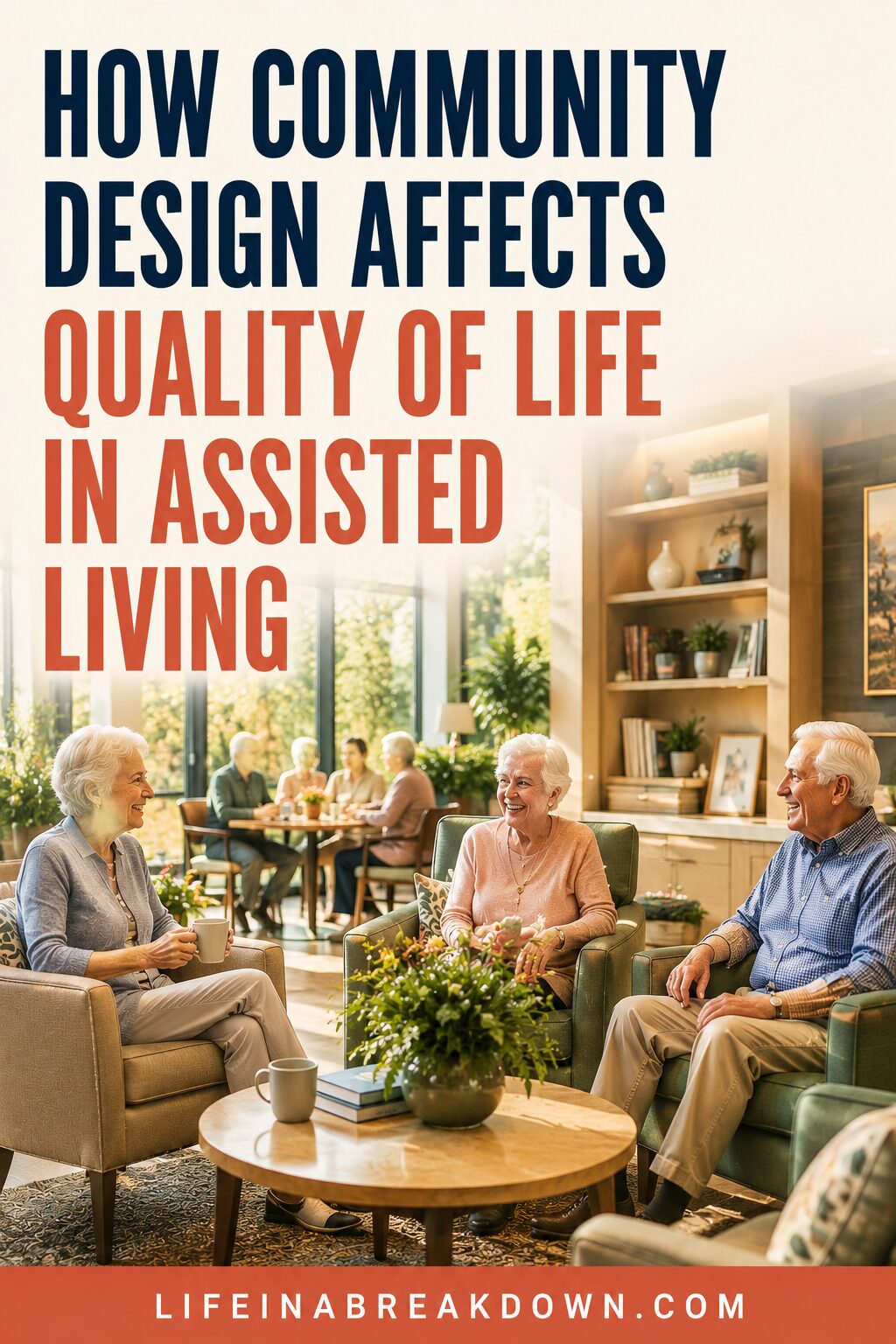
How Community Design Affects Quality of Life in Assisted Living
When families start looking into assisted living, it’s easy to focus on things like care plans, staffing levels, and monthly costs. Those details are important, of course, but there’s another factor that can have a huge impact on day-to-day life: the design of the community itself.
The way a building is laid out influences so much more than people often realise. It affects how easily residents can move around, how often they interact with others, whether they feel encouraged to spend time outdoors, and ultimately how comfortable and at home they feel. A thoughtfully designed environment can make everyday life more enjoyable, helping residents maintain their independence while feeling connected to the world around them.
Features such as thoughtful layouts, plenty of natural light, and resident-focused design are no longer just nice extras. They’re increasingly recognised as important factors that can influence wellbeing and quality of life. Communities that prioritise these elements often create environments where residents feel happier, more comfortable, and more connected to those around them.
For families researching Assisted Living in Hollywood Hills, it’s worth looking beyond the care services on offer and considering how the community itself is designed. The location of communal areas, the ease of moving between different parts of the building, and access to welcoming outdoor spaces can all significantly impact residents’ daily lives. These design choices influence everything from social interaction to independence, making the physical environment an important part of the overall living experience.
How Physical Layout Affects Daily Life

Most people don’t think about floor plans when they picture quality care. They should. Long institutional corridors with nothing to stop at can quietly discourage movement. Layouts that put dining rooms, activity areas, and outdoor access within easy reach of resident rooms remove the small frictions that, day after day, keep people in their rooms.
The evidence backs this up. Research from the National Institutes of Health has found that environmental features such as outdoor access and ease of movement between indoor areas are associated with higher physical activity levels and better psychological outcomes among older adults. That’s not a small finding. When getting somewhere doesn’t feel like an ordeal, more people go.
The Role of Natural Light and Outdoor Access
Here’s something that gets underappreciated: natural light isn’t just a mood booster. For older adults, it’s a health requirement. Circadian rhythms depend on light cues to regulate sleep patterns, and disrupted sleep in senior populations carries serious downstream effects, from increased fall risk to cognitive decline. Facilities with large windows, skylights, and well-connected outdoor areas provide residents with what their bodies actually need.
Outdoor spaces do similar work. Gardens, walking paths, shaded seating, these aren’t amenities in the resort-brochure sense. They offer low-intensity physical options that don’t require a scheduled class or a staff escort. They also provide sensory variety, which matters more than most people realise for cognitive engagement. Research published in the American Journal of Public Health has linked access to green space to reduced depression and better quality of life in ageing populations.
Worth noting: communities that build these features into the original design tend to use them far more effectively than those that tack them on later. Placement matters. A garden that’s awkward to reach won’t get used.
Spatial Design and Social Connection

The U.S. Surgeon General has described social isolation as a public health crisis, with health effects comparable to smoking 15 cigarettes a day. That’s a striking comparison, and it applies directly to how assisted living spaces get designed.
Common areas arranged for casual interaction, comfortable seating clusters, sightlines that connect dining to lounge spaces, good acoustics; these aren’t decorative choices. They determine whether people encounter each other naturally or whether every social interaction requires deliberate effort. A resident who walks past the same welcoming sitting area each day and sees familiar faces will sometimes stop and talk. That’s how informal connections work. It happens in passing, not only in programming.
The same logic applies to staff. Open floor plans and well-placed care team areas reduce the invisible wall between residents and the people looking after them. Approachability in physical design often translates directly into warmer day-to-day relationships.
Memory Care and Design-Specific Needs
For residents living with Alzheimer’s or other forms of dementia, design isn’t just supportive. It’s clinical. Research in environmental gerontology has shown that people with memory challenges do significantly better in spaces with clear wayfinding cues, circular walking paths that eliminate confusing dead ends, and consistent visual landmarks to orient themselves.
Cluttered or visually chaotic environments increase agitation. Calm colour palettes, consistent lighting, and familiar object placement can reduce it. The design of a memory care neighbourhood isn’t a finishing touch. It’s a careful decision, made on concrete and carpet.
Why Community Design Matters to Families
When families visit an assisted living community, it’s easy to focus on care services, costs, and amenities. However, the physical environment can have a significant impact on a resident’s daily life. Thoughtful layouts, accessible pathways, welcoming communal spaces, and well-designed outdoor areas can help residents feel more comfortable, independent, and connected to those around them.
What Families Should Look For
On a tour, design quality reveals itself quickly. Within the first few minutes, you’ll get a read on whether the space was built around residents or around operational efficiency. A few things worth paying attention to are whether common areas are genuinely close to resident rooms, whether outdoor spaces feel integrated into daily routines or fenced off and forgotten, whether the lighting feels like daylight or a hospital corridor, and whether memory care areas have dedicated safe walking paths rather than open floor plans that can disorient.
Spaces that feel warm, easy to move through, and thoughtfully designed often reflect something important about the organisation behind them. Physical environment and care quality are closely connected, with the design of a community influencing everything from independence and mobility to social interaction and wellbeing.
For families exploring assisted living options, it’s worth looking beyond staffing levels and care plans alone. The physical environment can play a significant role in a resident’s daily experience, making it an important factor to consider when comparing communities.
Assisted Living Design Checklist

When touring a community, consider:
- Are hallways wide enough for mobility aids?
- Is there plenty of natural light?
- Are communal spaces easy to access?
- Can residents easily navigate between key areas?
- Are outdoor spaces safe and welcoming?
- Is there clear signage throughout the building?
- Do shared spaces encourage social interaction?
Frequently Asked Questions About Assisted Living Community Design
Why is community design important in assisted living?
Community design can have a significant impact on residents’ daily lives. Well-designed assisted living communities can make it easier for residents to move around independently, socialise with others, access outdoor spaces, and participate in activities. Thoughtful design can also help create a more welcoming and comfortable environment.
What features should families look for in an assisted living community?
Families may want to consider features such as accessible layouts, comfortable communal areas, outdoor spaces, good lighting, clear signage, and opportunities for social interaction. These elements can contribute to both safety and overall quality of life.
How does assisted living design support resident wellbeing?
Design features such as natural light, easy-to-navigate spaces, gardens, walking paths, and inviting shared areas can encourage residents to remain active and engaged. A well-planned environment can also help reduce feelings of isolation and support emotional well-being.
Can the layout of an assisted living community affect mobility?
Yes. Wide corridors, accessible entrances, handrails, lift access, and thoughtfully positioned communal areas can make it easier for residents to move around independently and safely. Good design can help support confidence and maintain mobility for longer.
What role do outdoor spaces play in assisted living communities?
Outdoor spaces provide residents with opportunities to enjoy fresh air, spend time in nature, exercise, and socialise with others. Gardens, patios, and walking paths can contribute positively to both physical and mental well-being.
How can families evaluate the design of an assisted living community during a visit?
When visiting a community, families can pay attention to how easy it is to navigate, whether communal spaces are actively used, the amount of natural light available, the accessibility of facilities, and whether outdoor areas are welcoming and well-maintained. These details can provide valuable insight into everyday life for residents.
Pin It!