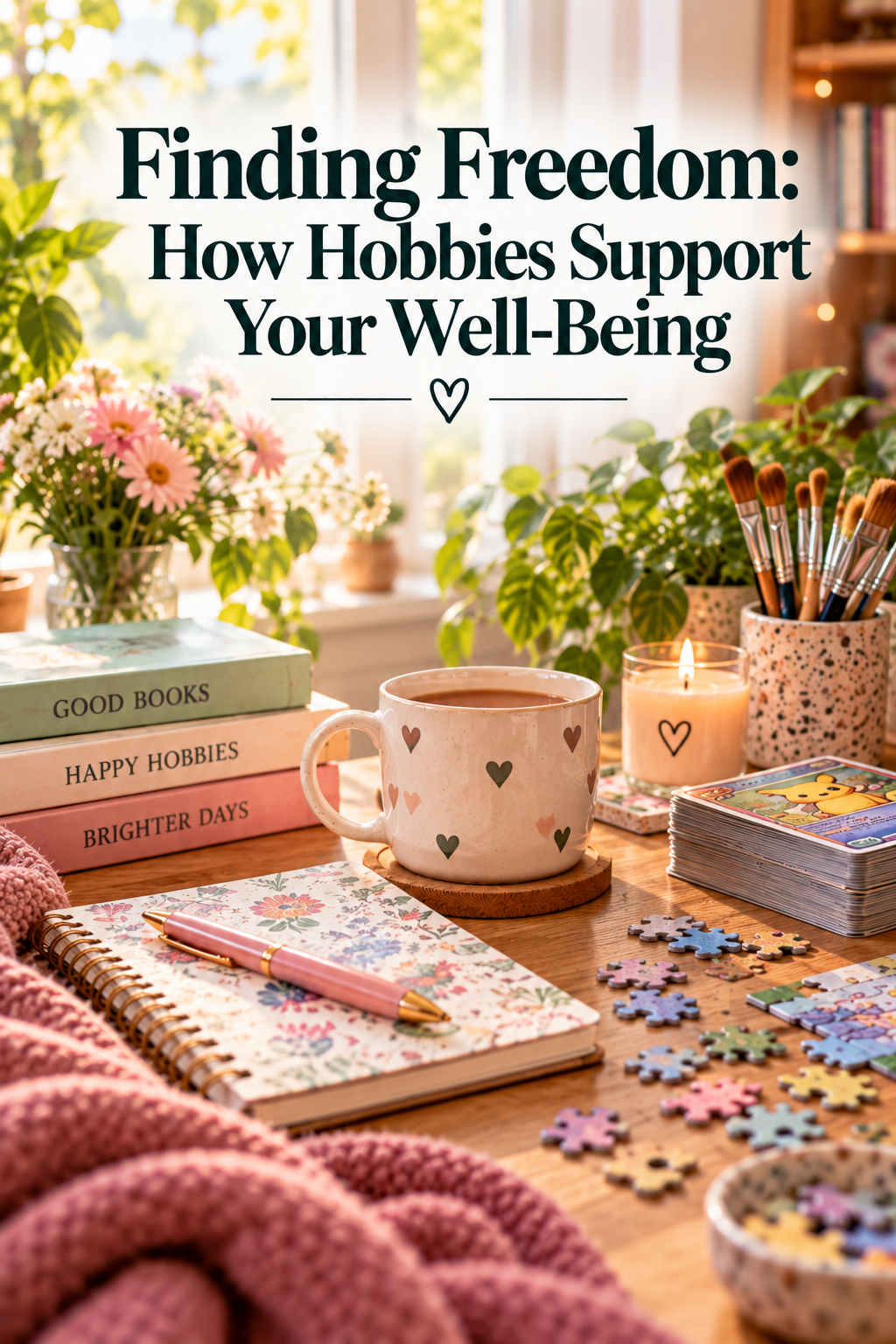
Finding Freedom: How Hobbies Support Your Well-Being
A hobby gives you a regular reason to step away from responsibilities and spend time on something chosen purely because it matters to you. That might involve tending a small garden, learning photography, restoring a motorbike or walking a new coastal route. The activity itself varies, but the benefit often comes from having space where progress feels personal and time has a different rhythm.
When work and household tasks fill most of the week, hobbies can easily slip down the priority list. Treating them as a meaningful part of your well-being helps protect that time and makes everyday life feel more balanced.
The Link Between Hobbies and Happiness

Hobbies offer several ingredients that support happiness: choice, achievable progress and a sense of identity outside your usual responsibilities. A difficult week at work may feel less consuming when you also have a vegetable patch to tend, a running route to improve or a craft project taking shape at home.
There’s evidence behind this connection. A large international study discussed by Harvard Health found that adults aged 65 and over who had hobbies reported better health, greater happiness and fewer symptoms of depression. The association appeared across 16 countries, suggesting that the value of enjoyable pastimes isn’t tied to one particular culture.
The strongest hobby for you will usually be one you genuinely look forward to. Trendy activities can lose their appeal quickly if they don’t suit your interests, available time or budget. Start by thinking about what held your attention before adult responsibilities began competing for it. You may have enjoyed sketching, building models, dancing or exploring local paths without ever labelling those interests as hobbies.
Keep the commitment manageable at first. Thirty minutes twice a week is enough to rediscover an old interest or test a new one. A realistic schedule is more likely to survive busy periods and helps enjoyment develop without turning leisure into another source of pressure.
Beyond the Daily Grind
A hobby creates a clear boundary between productive time and personal time. That distinction matters when emails, domestic jobs and life administration can follow you throughout the day. An activity that needs your hands or full attention gives your mind a defined place to go once work has finished.
Health benefits of hobbies may include lower stress, better mental health and stronger social connections. Active hobbies may support physical health too, but an activity doesn’t need to be strenuous to count. Reading with a local group, playing music and working on a jigsaw can all interrupt repetitive thought patterns.
Put hobby time in your diary if it tends to disappear. A protected Tuesday evening or Sunday morning is easier to honour than a vague intention to do something “when there’s time”. Prepare what you need in advance as well. Leave your sketchbook somewhere accessible, charge your camera the night before a walk or keep gardening gloves by the door.
Your choice can also reflect what your working day lacks. Someone who spends eight hours looking at a screen may enjoy pottery or swimming, while a person in a highly structured role might prefer creative writing with no fixed outcome. Recreation and mental health are closely connected because enjoyable activities can provide purpose, self-expression and a welcome change of pace.
Embracing Adventure and Exploration
Adventure can make a hobby feel fresh, but it doesn’t have to involve a distant destination or a major physical challenge. Exploration might mean taking a different cycling route, visiting a nature reserve, joining an outdoor photography walk or planning a day trip to a place you’ve passed many times without stopping.
Motorbike touring is another hobby that combines practical skill with the freedom to explore. Before setting off, riders should check the route, weather forecast and condition of their bike, then carry suitable clothing and basic supplies. Motorbike owners also need appropriate cover for the road. Options such as Carole Nash motorbike insurance can form part of that preparation, with policies offering features including breakdown recovery and motor legal protection.
Build up gradually when trying any outdoor activity. A two-hour local outing gives you a chance to test equipment and judge your energy levels before committing to a full day. Tell someone where you’re going, check when daylight fades and save an offline map if mobile reception could be unreliable.
It also helps to separate useful kit from exciting kit. Comfortable footwear, weather protection, water and a charged phone will usually matter more than specialist accessories during your first few trips. Borrowing or hiring equipment can keep costs sensible while you decide whether the hobby has lasting appeal. Exploration should leave you keen to go again, so choose an early challenge that feels satisfying and achievable.
Protecting Your Chosen Path

Once a hobby becomes important to you, practical preparation helps keep it enjoyable. Start with the predictable risks attached to the activity. A wet forecast may change a hiking route, a woodworking project may require eye protection, and an evening class may need safe transport home. Thinking through these details takes only a few minutes and can prevent an avoidable problem from ending the day early.
Money deserves similar attention. Some interests have low starting costs, while others involve lessons, membership fees, travel or specialist equipment. Set a monthly hobby budget that fits comfortably alongside essential spending. If you’re considering a costly purchase, hire or borrow the item first and record how often you actually use it over four to six weeks.
Look after your time as carefully as your equipment. Friends and family may not always understand why a regular class, club meeting or solo outing matters to you. Explain that this time helps you return to other responsibilities feeling more focused. You can remain flexible when something urgent comes up without allowing every minor request to replace your plans.
Think about physical limits too. Increase distance, duration or difficulty slowly and pay attention to persistent discomfort. Rest days are useful parts of active hobbies, especially when you’re rebuilding fitness. Social connection is also essential, so consider a club or beginner group if encouragement would help you stay involved.
Mindfulness on the Move
Many hobbies encourage mindfulness naturally because they ask you to pay attention to what’s happening now. A photographer looks for changes in light, a gardener notices soil texture and new growth, and a cyclist responds to the road and weather. These details leave less room for the mind to replay yesterday’s frustrations or rehearse tomorrow’s tasks.
You don’t need formal meditation experience to use this effect. At the start of your hobby session, spend a minute noticing three things you can see, two things you can hear and one physical sensation. During a walk, that might be cloud movement, birdsong and the feeling of the ground beneath your shoes. This simple check-in can bring wandering attention back to the activity.
Try leaving performance tracking switched off occasionally. Distances, times and completed projects can be motivating, but constant measurement may make leisure feel like another assessment. A walk taken without chasing a pace or a painting made without plans to share it online can offer a different kind of satisfaction.
Everyday rituals can create the same pause. Something as familiar as making coffee can become a moment of deliberate attention. Apply that idea before setting out: make a drink, pack your bag slowly and notice the transition from obligation to chosen time.
Your hobby doesn’t need to produce anything impressive to earn its place in your week. Its value may show up quietly, in the calmer drive home after an evening class, the satisfaction of fixing a small problem or the anticipation of a route still waiting to be explored. Protect those moments and let the activity grow at a pace that keeps you interested.
Pin It!