5 Coping Strategies for Mental Health
AD
Are you struggling with your mental health? Personally, it is something I have struggled with for as long as I can remember. From disassociating at a young age to having intrusive and strange thoughts all the way to being in primary school. This is perhaps why it plays such a large part in my blog, from the name to the whole reason it was set up.
Now I have to admit I don’t know a huge amount about mental health and am only an expert in my own experiences, but I thought I would put together 5 coping strategies to help with your mental health.
Grounding Techniques

I remember in my early teens sitting in a therapist’s office and them telling me to imagine walking along a beach, or a big red balloon and wondering why this was meant to help. I’ve since learned some people can visualise things in their head and for them, it can do wonders, but for me who only sees blackness it isn’t helpful. I also find I’m very good at tensing muscles and not so great at relaxing them.
This is because everyone finds different strategies work for them and it perhaps wasn’t until more recently this was accepted and built upon.
For me, I find techniques such as 5,4,3,2,1; which involve looking around you and finding five things you can see, four things you can touch, three things you can hear, two things you can smell, and one thing you can taste, as well as using the temperature part of TIPP (Temperature, Intense exercise, Paced breathing, and Paired muscle relaxation.) and ACCEPTS (Activities, Contributing, Comparisons, Emotions, Push away, Thoughts, and Sensation) work for me.
Build a Support System

One of the most effective coping strategies for mental health is to have a support system in place. This can include family members, friends, or support groups. Sharing your thoughts and feelings with trusted individuals can provide emotional relief and help you feel less isolated. A strong support system can offer different perspectives and solutions to the problems you face, enhancing your ability to cope.
For me, this has become one of the largest parts of my coping system. For a long time, I didn’t share how I thought and felt as I assumed people would think I was “crazy”. However, sharing them with Ash has allowed me to have another perspective on things and talk through issues.
Seek Professional Help
This is a really hard one for me to do myself, I hate asking professionals for help, perhaps as I have been let down so badly in the past.
However, these days there are many ways to turn to professionals and experience more effective therapy. For instance, Mind Un-tied offers a range of counselling, psychotherapy and coaching paths, which allow you to have access to someone to talk to. Their mission is to try to ensure that everyone has access to someone when they need it, rather than waiting around. They want to help people find better tools via talking therapies to allow them to cope better in the most difficult of times.
Access to Mind Un-tied starts with a free discovery call. They then hope to match clients with their therapist within 48 hours, while prices per session come in at £30 – £150 depending on your income and the sort of help needed.
Checking into private behavioral health facilities is the most effective way to access intensive, round-the-clock support for complex mental health challenges that require more than weekly outpatient sessions. These specialised centres offer a comprehensive range of evidence-based treatments and holistic therapies designed to foster long-term recovery in a structured, tranquil environment.
Mindfulness and Meditation
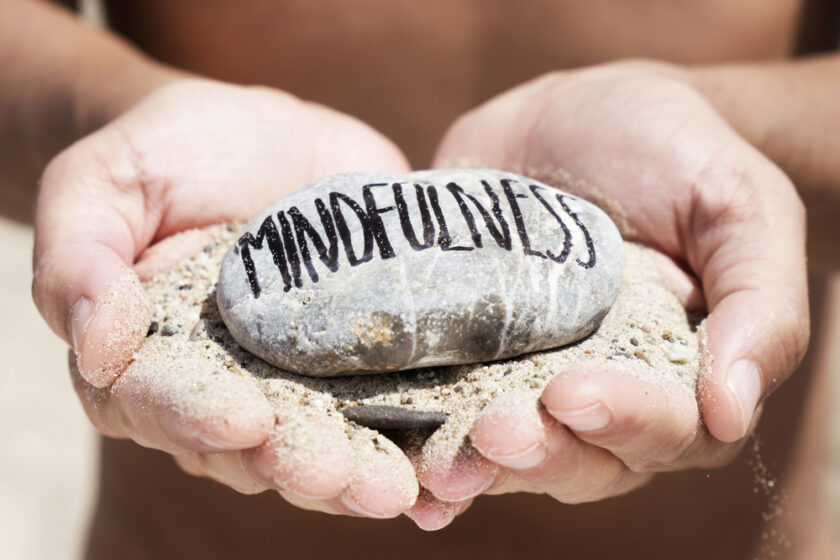
Practising mindfulness and meditation can help you gain control over your thoughts and emotions. These techniques encourage you to live in the present moment and become more aware of your feelings and reactions.
Mindfulness can reduce anxiety, improve mood, and enhance your overall mental well-being.
There are various apps, such as STOPP app and Headspace which can be wonderful to have your phone ready to help at any moment. Online resources and group sessions can sometimes help with helping you implement them as a part of your everyday life.
Remember mindfulness doesn’t have to mean stopping and meditating. It can mean just stopping and being in the present with a cup of tea, or allowing yourself to feel and accept your emotions.
Set Realistic Goals
Setting realistic goals can be a powerful way to manage mental health. Break down larger tasks into smaller, manageable steps, and celebrate your accomplishments along the way.
This approach prevents you from becoming overwhelmed and allows you to maintain a sense of purpose and achievement. When you see progress, it boosts your self-esteem and reduces negative thoughts and emotions.
Conclusion
Dealing with mental health issues is hard and while one person might have the same diagnosis as another, they will likely need a different plan to cope with a deal with the issues that brings.
If you are struggling with your mental health you are worthy, you are loved and you do matter. If you have a friend or family member who is struggling try and make time for them, allow them to feel what they are feeling and don’t put them down.
Plus always remember to ask for help when and if you need it.
Pin It!







I love that you’ve done a post on this topic. As someone who has always struggled with mental health issues, it’s always great to see help out there in any form.. as there just isn’t that much, (at least around my way) in the way of proper support. ♥
Aww thank you – I’ll try and do some more – I’m not so good at it myself but having to try and struggle on each day I have a few strategies I use.
This was really helpful! Currently 6 months pregnant and my hormones are all over the place. Slowly learning to not put pressure on myself to get as many errands done as I was doing before I was pregnant and it’s helped massively:)
Oh no I bet it is such a rollercoaster with the hormones of pregnancy – I hope these months aren’t too hard for you.
I think it is so important for people to understand that different methods and coping mechanisms work for different people. We all respond to treatment methods differently.
Like you, having a supportive system around me helps me manage my mental health a lot better. When I was kicked out of home at 18 and left homeless for 5 years, those years were the worse. I had no one to ground me or knew me well enough to offer that support out of doctor’s working hours. I needed to be reminded that I was still loved despite being depressed but I did not have that.
Seeking medical help is also very important. Together you can work out what mental help works for you and that would help you deal with your mental health in the best way possible for you.
Definitely there is far from enough support out there right now for anyone and it is quite scary to be honest that people are just left until they get to crisis point then given a few weeks to help them get a bit more stable and then left to it again. There really is such a mental health crisis in this country.
great tips as always <3
Thank you so much.
Thank you for an interesting post. I like the STOP technique, especially f someone has caused upset online.
It’s one of the techniques I was taught while I was doing DBT, I found a lot of it hard to take in but the STOP technique and 5,4,3,2,1 are defintitely things I use a lot now.
Asking for help and realising you need help is the biggest obstacle
It is so hard to just ask for help isn’t it? I know its something I still struggle with.