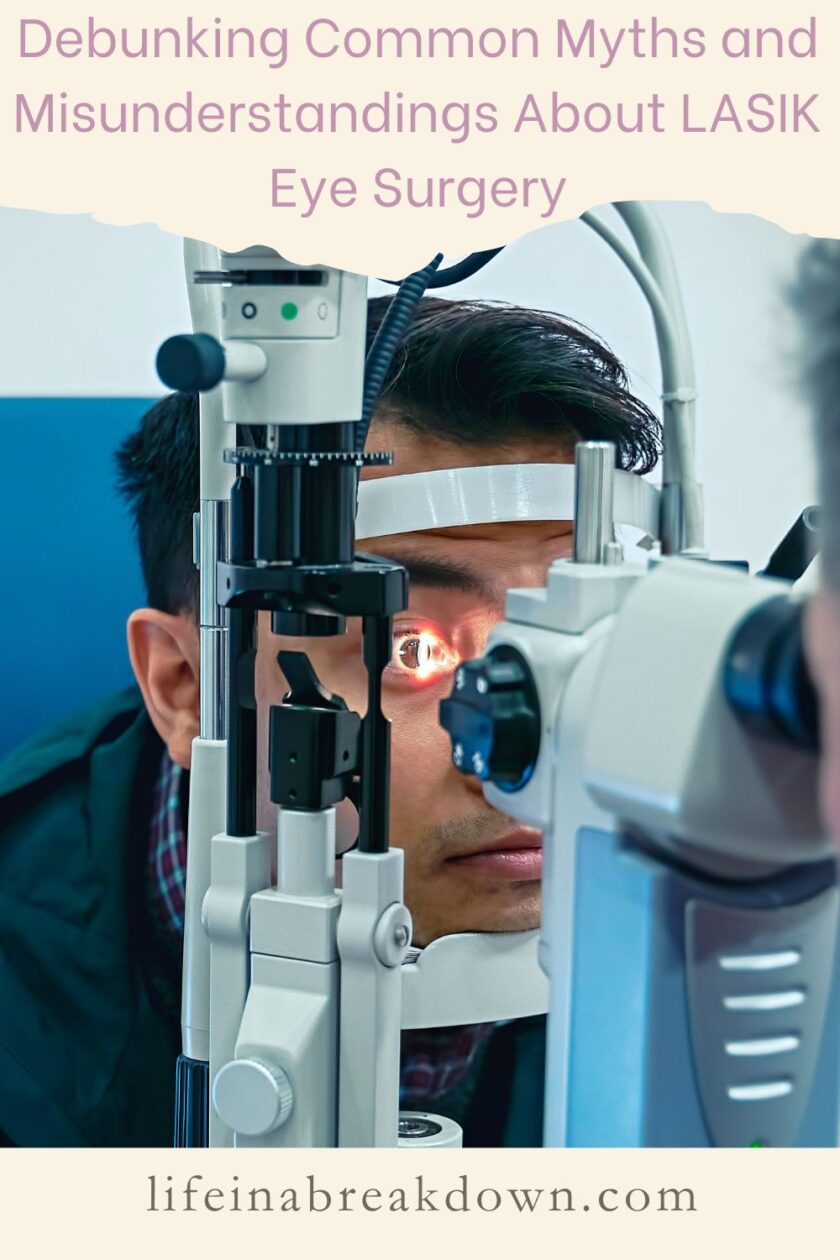
Debunking Common Myths and Misunderstandings About LASIK Eye Surgery
Laser-assisted in situ keratomileusis eye surgery, or LASIK for short, has been a revolutionary change in the medical process of vision correction over the past few decades. This advanced surgical procedure reshapes the cornea to correct refractive errors, offering millions of people a chance to experience clearer vision without the constant need for glasses or contact lenses.
Despite its profound impact on eye health, however, several misconceptions about LASIK eye surgery still persist. Myths and misunderstandings like these might deter some individuals from exploring this transformative procedure even in a country like Singapore, which is considered one of the best countries in the world for laser eye surgery.
This article aims to dispel the following common myths and misunderstandings surrounding LASIK by providing accurate information on the procedure and its ramifications, all towards helping individuals make sound decisions about their eye health:
The Procedure Is Painful

One common misconception about LASIK eye surgery is that the procedure is painful. This belief likely stems from the fact that eye surgeries in the past often involved significant discomfort. In addition, the idea of having a laser pointed at one’s eye can naturally evoke fear and the anticipation of pain in a patient.
However, LASIK is designed to be a minimally invasive procedure with minimal discomfort. Patients are administered numbing eye drops prior to the surgery, which will effectively anaesthetise the problematic eye and prevent any pain during the procedure.
Most patients report feeling only slight pressure on the eye, rather than pain. The entire process typically takes about 15 minutes for both eyes, with the laser application itself lasting only a few seconds.
Post-operative discomfort is also minimal. Patients might experience mild irritation or a feeling similar to having an eyelash in the eye for a few hours post-surgery, but this is temporary and can be alleviated with prescribed eye drops. Overall, LASIK is far less painful than many people believe, making it a comfortable and viable option for vision correction.
The Procedure Is Unsafe and Risky
Another prevalent myth is that LASIK is an unsafe and risky procedure. This misconception may arise from a general fear of surgical procedures—particularly those involving the eyes, which are perceived as delicate and complex.
In reality, LASIK is one of the safest elective surgeries available today. It has been performed on millions of patients worldwide, with a high success rate and a low incidence of complications. Advances in technology and surgical techniques have significantly improved the safety and efficacy of the procedure since it was first introduced. Moreover, each surgery is performed by a qualified LASIK surgeon, like an eye specialist Singapore citizens trust who has undergone years of training to conduct the surgery without issue.
The Procedure Can Damage the Cornea
Many people fear that LASIK surgery can permanently damage the cornea. While the cornea is indeed a delicate part of the eye, its chances of getting damaged during LASIK surgery are quite minimal.
This is because many LASIK surgeons are adept with modern LASIK technology, which utilises highly precise lasers that can make adjustments at the micron level. This ensures that only the necessary amount of corneal tissue is removed.
LASIK Can Lead to Visual Complications

Although some patients may experience temporary visual disturbances immediately following surgery, these effects are generally short-lived and resolve as the eye heals. Thanks to modern advancements in LASIK technology, the incidence of such complications has been significantly reduced. For instance, the use of wavefront-guided lasers allows for more customised and precise corneal reshaping, which helps in minimising issues like glare and halos.
Furthermore, extensive preoperative evaluations for LASIK help identify patients who might be at higher risk for these complications, allowing surgeons to tailor the procedure to individual needs. As a result, the vast majority of LASIK patients report satisfaction with their vision outcomes and do not experience significant or lasting visual disturbances.
LASIK Results Aren’t Permanent
Still, some people believe that the results of LASIK aren’t permanent and that their vision will deteriorate over time, necessitating additional procedures. This misconception may stem from a misunderstanding of the nature of vision changes that can occur with age, which are unrelated to the LASIK procedure itself.
As mentioned before, LASIK permanently reshapes the cornea to correct refractive errors such as myopia (nearsightedness), hyperopia (far-sightedness), and astigmatism. The changes made to the cornea are enduring, and for most patients, the improvements in vision are long-lasting. However, it’s important to note that LASIK does not prevent age-related eye conditions, such as presbyopia, which is the loss of near vision typically experienced after the age of 40. This natural ageing process can lead to the need for reading glasses or additional vision correction, but it is not a regression of the LASIK procedure itself.
Anyone Can Be a Candidate for LASIK
Although LASIK has high success rates and is available almost anywhere in the world, not everyone is a suitable candidate for this surgical procedure. The success and safety of LASIK depend heavily on patient selection. As such, before they are recommended for the surgery, potential patients must take comprehensive preoperative evaluations to ensure that they don’t have conditions that could affect the surgery’s outcome.
Several factors can disqualify someone from undergoing this procedure. These include certain corneal diseases (such as keratoconus), severe dry eye syndrome, thin corneas, large pupils, and unstable vision prescriptions. Age is another consideration, as candidates should generally be over 18 years old with a stable prescription for at least one year. Before deciding to proceed, many people also wonder about the laser eye surgery price, which can vary depending on the clinic, technology used, and surgeon’s expertise. While it’s not the cheapest procedure, most patients find that the long-term convenience and freedom from glasses or contact lenses justify the expense.
Even though several myths and misunderstandings surround LASIK eye surgery, it’s difficult to deny that this procedure has helped millions of people achieve clearer vision and has therefore improved their quality of life. As a potential candidate for LASIK yourself or as someone whose loved one may undergo LASIK surgery soon, it’s important for you to be able to separate the fact from the fiction and know what exactly to expect from the procedure.
Pin It!