Creating a Pet-Friendly Garden: Plants and Features for Happy Pets
AD
A pet-friendly garden can be a wonderful sanctuary for your furry friends, providing them with a safe space to explore, play, and relax. As pet owners, we often worry about the potential hazards that gardens can present, from toxic plants to unsafe garden features.
By carefully selecting the right plants and incorporating pet-friendly designs, you can create an outdoor space that is both beautiful and secure for your pets. This guide will help you make informed choices about plants, design elements, and storage solutions to ensure your garden is a haven for your beloved animals.
Choosing Safe Plants for Your Pets

When creating a pet-friendly garden, it’s crucial to choose plants that are safe for your pets. Many common garden plants can be toxic to animals, causing anything from mild discomfort to serious health issues.
For instance, lilies, azaleas, and foxgloves are beautiful but can be harmful if ingested by pets. Instead, opt for pet-safe plants such as marigolds, sunflowers, and snapdragons. These not only add colour and vibrancy to your garden but also ensure your pets are safe.
Herbs like rosemary, basil, and parsley are excellent choices, too. They are non-toxic and can be beneficial if your pets decide to nibble on them.
Additionally, consider planting grasses like bamboo and lemongrass, which are safe and enjoyable for pets to play around. When planning your garden, always research the plants you intend to include to ensure they pose no risk to your furry friends.
Designing a Pet-Friendly Landscape
Designing a pet-friendly landscape involves more than just selecting the right plants. It’s about creating a space that meets your pet’s needs while also being functional and aesthetically pleasing. Start by considering the layout of your garden.
Ensure there are clear pathways for your pets to move around without disturbing your plants. Soft, non-toxic ground covers like clover or moss can be used to create comfortable surfaces for pets to walk and lie on.
Incorporate features that cater to your pet’s natural behaviours. For example, if your dog loves to dig, designate a specific area filled with sand or soft soil where they can indulge in this activity without damaging your garden.
Cats might appreciate climbing structures or shaded areas where they can observe their surroundings. Safety is paramount, so ensure all fencing is secure and that there are no sharp objects or potential escape routes.
Using Storage Units to Organise Garden Supplies and Pet Accessories

A well-organised garden can make a huge difference in maintaining a pet-friendly space. Using storage units effectively can help you keep garden supplies and pet accessories neatly arranged and easily accessible.
Consider investing in a self-storage solution to manage the overflow of tools, toys, and other items that may clutter your garden. Searching for “self-storage near me” or “storage units near me” can help you find convenient options close to home.
Storage units at Shurgard, for instance, offer a variety of sizes and features that can accommodate your needs. By storing seldom-used items like seasonal garden decorations or bulk pet food in a storage unit, you free up space in your garden and shed.
This helps create a safer and more organised environment for your pets to play and explore. Additionally, using storage units can protect your supplies from weather damage and prolong their lifespan.
Creating Shaded Spots for Relaxation
Providing shaded areas in your garden is essential for your pet’s comfort and well-being, especially during hot summer days. Pets, much like humans, need protection from direct sunlight to avoid overheating and dehydration.
There are several ways to create shaded spots that are both functional and aesthetically pleasing. Planting trees or tall shrubs can offer natural shade, while pergolas or trellises covered with climbing plants provide an attractive and effective solution.
Portable options like shade sails or large umbrellas can be adjusted as needed to provide coverage throughout the day. You can also create permanent structures such as gazebos or garden sheds where pets can retreat to cool off.
Consider the placement of these shaded areas to ensure they are easily accessible to your pets and positioned where they can enjoy a breeze. Including comfortable bedding or outdoor pet furniture in these spots will encourage your pets to use them, helping to keep them cool and comfortable while enjoying the garden.
Pet-Safe Garden Decorations
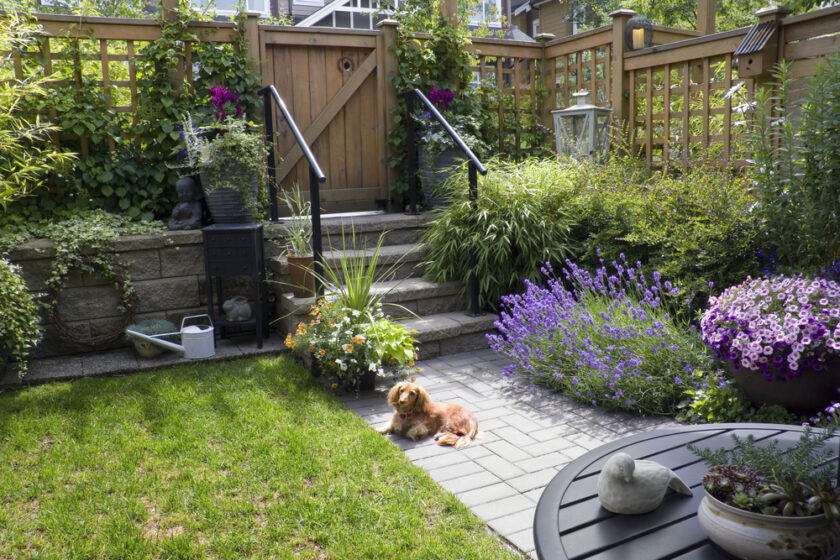
Decorating your garden can enhance its beauty and create an inviting space for both you and your pets. However, it’s important to choose decorations that are safe for animals. Avoid sharp-edged ornaments or those made from toxic materials.
Opt for sturdy, pet-safe items that can withstand your pets’ curiosity and playful behaviour. For example, ceramic or resin statues are durable and less likely to break into dangerous shards if knocked over.
Consider adding features like pet-safe water fountains, which can provide a source of fresh water for your pets while adding a decorative touch. Wind chimes and garden spinners can create sensory stimulation for pets without posing any risk. If you use lighting in your garden, ensure that all electrical components are pet-proofed to prevent accidents.
Solar-powered lights are a great option as they are safe and eco-friendly. By following these maintenance tips, you can create a garden that is safe, healthy, and enjoyable for your pets all year round.
Pin It!






Please don’t forget that houseplants can also be toxic for our pets.
Yes! I keep thinking I should write a post about something like this, but it is so different between animals.
We dont have pets but we have lots of pets visit us with family members so this is good advice and good to know. Also the neighbour’s dog comes into the garden a lot!
My current cat is indoor only and I carefully research before bringing any plants (or flowers) into the house.
That’s a good idea – I have to admit if we got another animal I would have to refresh myself on it.
A very interesting post. Important to know about the toxic plants, especially when Dexter, my daughter’s inquisitive dog, comes to visit
Aww I hope you have a lovely time when he comes to visit!
Some really great advice, especially when it comes to plants, don’t think many people were aware about some plants being toxic to pets.
@James Travis, To be fair, theres quite a few that are poisonous to us. It’s just that we don’t go round exploring things with our faces.
There really is! Have you heard about the Poison Garden at The Alnwick Garden I would love to go and visit one day.
Definitely I have to admit I don’t know them all, and sometimes I’ll learn about one which really shocks me like daffodils – I had no idea about that one!
@Sarah-Louise Bailey, Just don’t go having them with your Sunday dinner and you’ll be alright!
I think I will give that a pass haha!
Really useful advice. I think some people don’t consider that some plants can poison our pets. Same goes for houseplants too!
I have to admit some of them also suprise me and I wouldn’t have thought could be poisonous!
Some great tips. Thanks.
And pretty much all this advice is good for making your garden child friendly too.
Definitely I think sometimes you often have to think along the same lines.
Understanding how your pet behaves is important to how you garden. If you’re dog has a penchant for digging I wouldn’t recommend bulbs like daffodils, tulips or irisies. Or if you do plant them, cover them in cages or have them grow through buried chicken wire.
Theres also a case to be made for taking responsibility in protecting wildlife from your pet. Especially cats. If you are gardening with wildlife in mind I would advise fitting a bell round the collar of your cat to give birds and other critters advanced warning of its whereabouts.
These are some great tips! Espechially when it comes to trying to save wildlife from cats as well! We are thinking about getting a cat once we move and its definiely something I need to think about.
This is so helpful! It’s great to also encourage wildlife too like hedgehogs and birds
Hands up I absolutely love inviting in wildlife to the garden, I always feed the birds.
Who could resist reading your post with those seriously cute dog and cat photos?!
Good advice, as always. I thought I knew all the plants to avoid but I didn’t realise that azaleas were also to be avoided. Thank you.
Hands up I love when I get to choose cute stock images, I get lost trying to choose which ones I want.