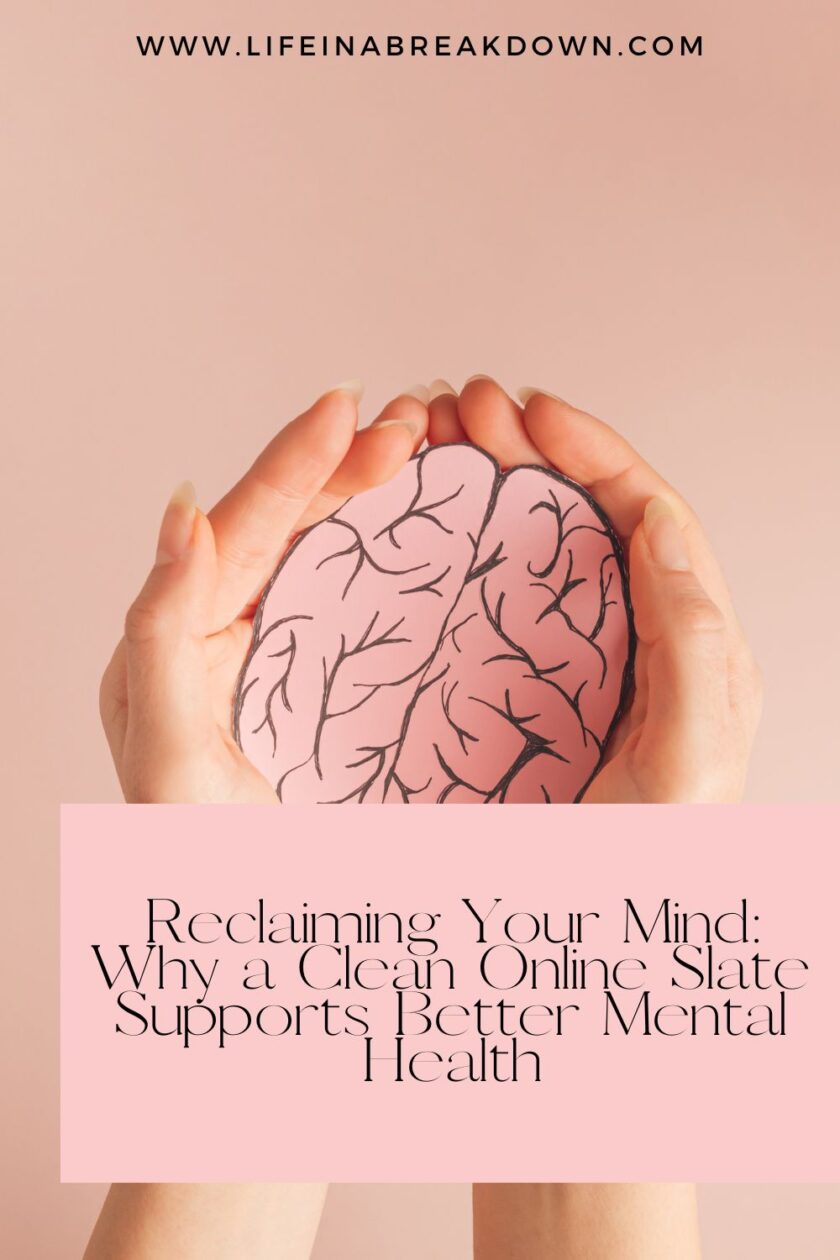
Reclaiming Your Mind: Why a Clean Online Slate Supports Better Mental Health
In a world where your phone never stops buzzing and your past can live online forever, mental health can take a hit. More people are starting to treat online clean-ups the same way they treat spring cleaning or therapy. It’s not just about privacy. It’s about peace of mind.
Here’s why scrubbing your online presence matters—and how it can support better sleep, better focus, and fewer moments of anxiety.
The Anxiety of Always Being On

You wake up, check your phone, and see a comment on a post from three years ago. It’s not harmful, but it’s jarring. You forgot the post even existed.
This is common. The internet never forgets. But your mind needs rest.
According to a 2023 study from the American Psychological Association, 66% of adults say their mental health improves when they spend less time online. Constant notifications and the pressure to “perform” on social media build a low-grade stress that adds up.
For people with anxiety or depression, seeing old memories pop up—or finding their name in a search result tied to a job they left five years ago—can feel like being stuck in a loop.
Privacy Is Part of Wellness
Your online life can start to feel less like your space and more like public property. That’s a problem.
Old accounts, blog posts, forum comments, and cached news stories may no longer reflect who you are. They may even contain personal info you forgot was out there.
A big part of mental health is feeling safe. That’s hard to do when your address is still on a data broker site or your name shows up in old articles you didn’t agree to.
This is where cleanup tools come in. Services that help people remove old search results or request takedowns aren’t just for celebrities. They’re for anyone trying to protect their peace.
Some platforms even offer news article removal services that target outdated or irrelevant content. These aren’t hacks or shady workarounds. They use real legal options and privacy policies to help you move forward.
The Weight of Old Content
A 2022 Pew Research study found that nearly 30% of adults had regretted posting something online. It’s not surprising. Tastes change, careers change, and people grow.
But your past content doesn’t always get the memo.
Photos from your early 20s, bad takes you tweeted in college, old Yelp reviews, even embarrassing blog posts can create mental clutter. Even if no one else is judging you, you’re judging yourself.
Clearing that out can feel like breathing room.
Data Brokers Are Not Your Friends
You probably didn’t agree to have your name, phone number, relatives, or home address sold to third-party websites. But chances are, it’s already happened.
Data broker sites scrape public records and online activity, then sell it. That’s why people can Google your name and find way too much.
Removing yourself from these sites is possible, but time-consuming. It takes multiple requests, follow-ups, and tracking changes over time. There are companies that automate the process and offer privacy dashboards to keep your data off the market.
The mental health benefit here is simple. Fewer strangers knowing your business means fewer stress triggers.
Social Media Boundaries Matter
You don’t need to delete every app. But you do need control.
Tighten your privacy settings. Archive old posts. Remove tagged photos. Disable location sharing. Turn off notifications for things that don’t serve you.
It’s not just about what others see. It’s about reducing how often you’re pulled into the noise.
Consider scheduling “no screen” hours each day. Or use phone settings that limit time on apps like Instagram or X (formerly Twitter). People who set social boundaries online often report better focus and lower levels of daily stress.
The Mental Boost of a Clean Search
Type your name into Google. What shows up?
If what you find makes your stomach drop, you’re not alone. Job applicants, small business owners, and regular users often feel anxious knowing that one outdated link or negative mention could change how others see them.
That feeling can lead to shame, fear, or frustration. Sometimes it even stops people from applying to jobs or promoting their work.
Online cleanup doesn’t mean erasing the truth. It means making sure the current version of you is what shows up first. That’s fair, and it’s necessary.
Reputation services can help you push down old results or ask sites to update inaccurate content. The goal isn’t to hide. It’s to breathe easier.
What You Can Do Right Now

If your online presence is affecting your mental health, here are a few steps to try today:
- Google yourself and make a list of anything outdated, wrong, or uncomfortable.
- Set your social media to private and remove old posts that no longer fit.
- Check data broker sites like Spokeo, Whitepages, or MyLife and request removal.
- Use a privacy service to automate takedowns or opt-outs.
- Consider professional help if there’s something major. Services that offer news article removal services can handle legal and technical steps.
- Replace the noise with fresh, positive content like updated bios or recent work.
Real People, Real Peace
One small business owner in Chicago, for example, said she couldn’t sleep after finding a years-old Reddit thread trashing her bakery. “I didn’t even know it was there,” she said. “It was like someone yelling behind my back for five years.”
She used a reputation service to clean things up and posted updated content about her business. “It wasn’t about hiding. It was about finally feeling seen for what I actually do now.”
That kind of relief isn’t just emotional. It shows up in lower cortisol levels, better sleep, and a stronger sense of control.
Final Thought
Mental health is a whole-body, whole-life issue. That includes your life online. Whether it’s cleaning up old accounts, managing search results, or protecting your private info, you have a right to peace.
You don’t need to vanish. You just need to curate. And sometimes, removing the online noise is the best thing you can do for your headspace.
Pin It!