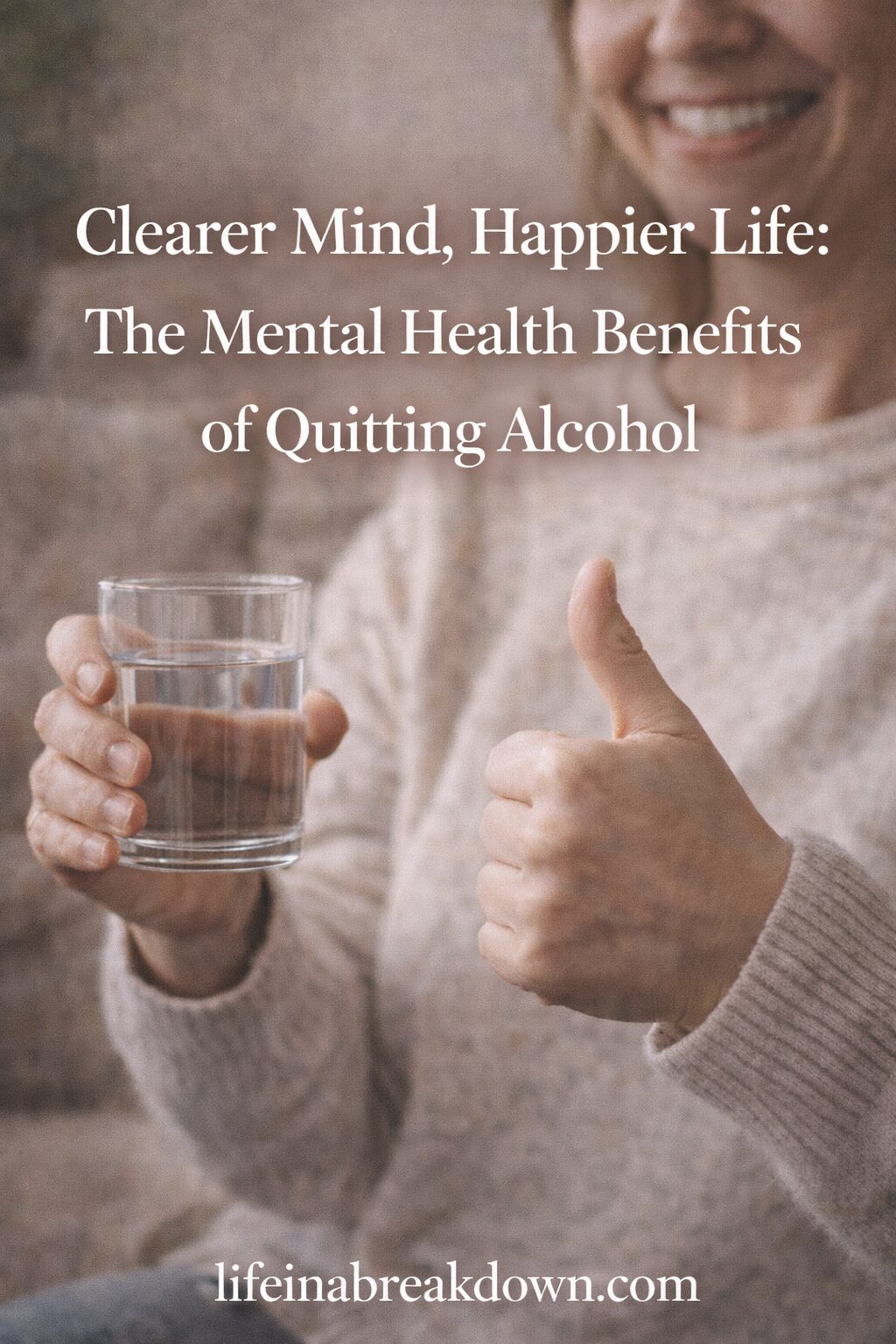
Clearer Mind, Happier Life: The Mental Health Benefits of Quitting Alcohol
It’s 6 PM on a Friday. You’ve had a week that felt like a month, your inbox is still overflowing, and the kids have been arguing since they walked in the door. The immediate thought? “I need a drink.”
For years, we’ve been sold the narrative that alcohol is the ultimate stress buster. It’s the liquid courage, the social lubricant and the mummy’s little helper. But if we’re being really honest with ourselves, how often does that glass of wine actually solve the stress? And how often does it just push the anxiety to 3 AM, when you wake up with a racing heart and a dry mouth?
We talk a lot about the physical perks of ditching the drink: better skin, weight loss, liver health, but the mental transformation is where the real magic happens. If you’ve been feeling stuck in a loop of low moods and high anxiety, putting down the bottle might just be the key to unlocking a happier, more stable you.
Breaking the Cycle of “Hangxiety”

Have you ever woken up after a night of drinking feeling an impending sense of doom? You retrace your steps, checking your sent messages, worrying about what you might have said. That isn’t just guilt; it’s a physiological reaction often called “hangxiety.”
Alcohol affects the brain’s delicate chemical balance. Initially, it floods you with GABA (a neurotransmitter that makes you feel relaxed) and suppresses glutamate (which makes you feel anxious). It feels great in the moment. But your brain is smart; it notices this imbalance and tries to correct it. As the alcohol wears off, your brain stops producing GABA and ramps up glutamate production.
The result? You’re left with a spiked anxiety level that is far worse than what you started with. By quitting alcohol, you stop this chemical rollercoaster. Over time, your brain chemistry stabilises, and many people find that their baseline anxiety levels drop significantly. You might find you’re naturally calmer without the need for a crutch.
Lifting the Fog of Depression
It is easy to forget that alcohol is, scientifically speaking, a depressant. While that first drink might give you a hit of dopamine (the reward chemical), chronic drinking actually depletes your dopamine levels over time. It tricks your brain into thinking it needs alcohol to feel good, making everyday joys like a walk in the park or a coffee with a friend feel lacklustre in comparison.
When you stop drinking, you might feel a bit flat at first. This is normal. But as your brain heals, your dopamine receptors start to recover this is something you will learn if you take part in a medical detox for alcohol.
You begin to find genuine joy in small things again. The heavy cloud of low mood often lifts, and you might find that the depressive episodes you thought were just “part of who you are” were actually exacerbated or even caused by alcohol.
The Power of Real Sleep
We often confuse passing out with sleeping. Alcohol might help you fall asleep faster, but it absolutely destroys the quality of that sleep. It prevents you from reaching REM (Rapid Eye Movement) sleep, which is the restorative stage where your brain processes emotions and memories.
Without REM sleep, you wake up groggy, irritable and emotionally fragile. It’s hard to cope with life’s stressors when you are running on empty.
Living alcohol-free means you get to experience real, restorative rest. You wake up feeling genuinely refreshed. Good sleep is the foundation of mental health; when you are well-rested, you have more patience, better focus and a much higher threshold for stress.
Emotional Stability and Resilience
Alcohol numbs us. It’s a way to check out from feelings we don’t want to feel. But when you numb the bad, you also numb the good. Plus, ignoring difficult emotions doesn’t make them go away; it just bottles them up until they explode.
Quitting forces you to feel your feelings. This sounds terrifying, I know. But it’s also incredibly empowering. You learn that you can handle stress, sadness or anger without needing a drink to take the edge off. You build actual resilience.
Instead of reactive mood swings fueled by chemical imbalances and hangovers, you gain emotional stability. You become more present for your family, your friends and most importantly, yourself.
Finding Clarity and Confidence

There is a unique kind of confidence that comes from keeping promises to yourself. Every time you say “no” to a drink, you are telling yourself that you are strong enough to face reality as it is.
The brain fog clears up. Your memory improves. You stop forgetting conversations or fuzzy details from the night before. This mental clarity allows you to tackle problems you’ve been avoiding. You might find the motivation to start that hobby you’ve ignored, perform better at work or simply be more present in your relationships.
When It’s Time to Seek Extra Support
It is important to acknowledge that for some, quitting isn’t as simple as just deciding to stop. If you find that alcohol has a tight grip on your life or if you are using it to self-medicate deep-rooted trauma or severe mental health issues, going it alone can be incredibly difficult—and sometimes dangerous.
There is absolutely no shame in asking for help. In fact, it’s a sign of immense strength. If you are struggling to break the cycle, looking into professional support is a great option. For those who need a complete break from their current environment to heal, residential rehab can provide a safe, structured space to focus entirely on recovery without the triggers of daily life.
Professional alcohol rehab centres offer more than just detox; they provide therapy and tools to understand the “why” behind your drinking, equipping you with coping mechanisms that protect your mental health for the long term.
A New Chapter
Giving up alcohol isn’t just about what you’re losing; it’s about what you’re gaining. It’s about gaining your mornings back. It’s about gaining clarity, stability and genuine happiness that isn’t dependent on a substance.
It won’t always be easy. There will be awkward social events and stressful days where the craving hits. But the peace of mind on the other side? It is worth every single moment of the struggle.
Pin It!