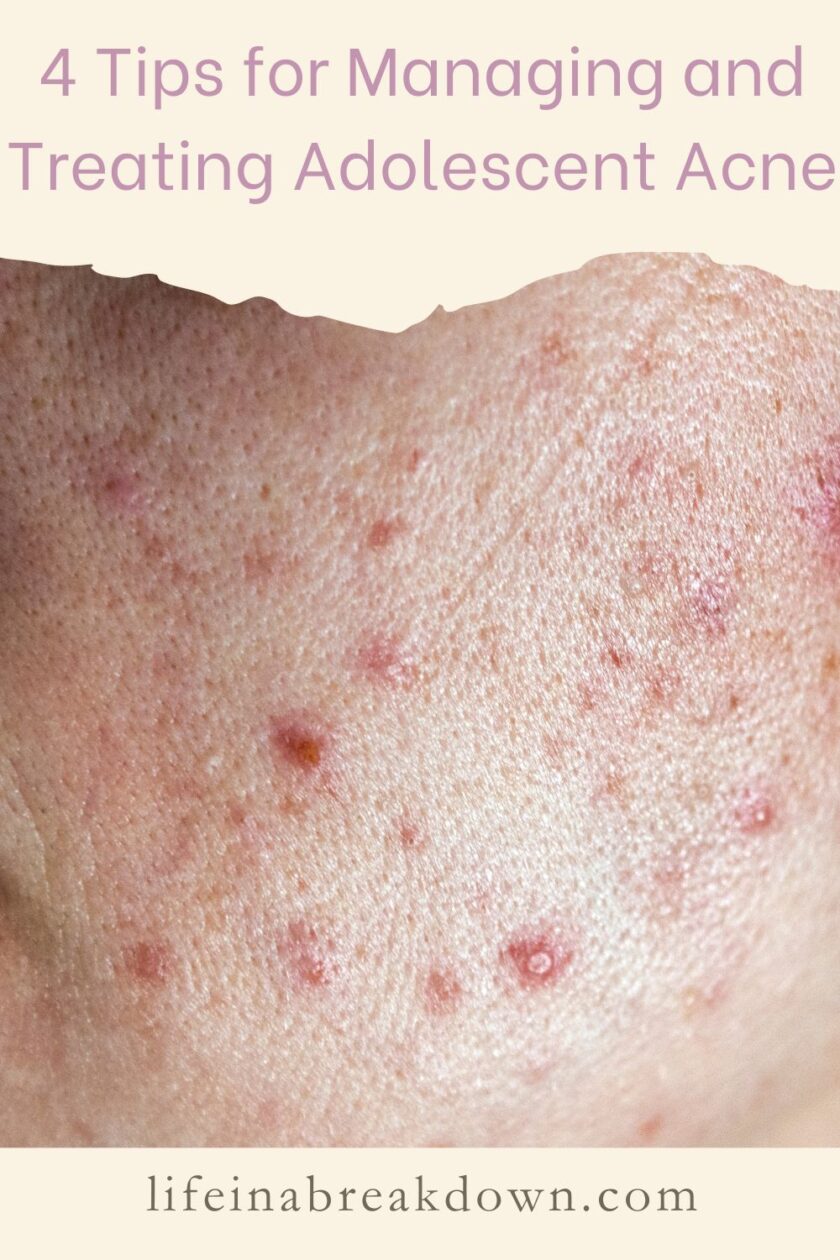
4 Tips for Managing and Treating Adolescent Acne
Adolescent acne, commonly referred to as teenage acne, is a skin condition that often affects individuals between the ages of 12 and 24. It occurs due to a combination of factors, including hormonal changes, excess oil production, clogged pores, and the presence of acne-causing bacteria. But no matter what causes it, teens around the world agree — it’s annoying.
Adolescent acne can be a challenging and often distressing condition. Characterized by pimples, blackheads, and whiteheads, it can impact not only one’s physical appearance but also their self-esteem. Moreover, if left untreated, it can lead to long-term scarring and skin damage. So even if you stop breaking out, you’re left with the trauma.
Effective management and treatment are crucial for minimizing the emotional and physical toll of adolescent acne. In this article, we’ll explore four valuable tips for dealing with this common skin issue. Here’s what you need to know:
Establish a Consistent Skincare Routine

Establishing a reliable skincare routine is paramount in the battle against adolescent acne. A daily regimen should include gentle cleansing to remove dirt, excess oil, and impurities. This step can prevent clogged pores, a common precursor to breakouts. Following up with a non-comedogenic moisturizer maintains the skin’s hydration levels, reducing oil production.
Finding an acne treatment right for you is also significant for managing your breakouts. Over-the-counter products with ingredients like salicylic acid or benzoyl peroxide can effectively treat mild to moderate acne. However, in severe cases, prescription medications such as antibiotics, retinoids, or oral contraceptives may be necessary. Luckily, these are more accessible than ever. You can get acne medication online after a quick virtual consultation.
The last step of your skincare routine should always be applying a broad-spectrum sunscreen with an SPF of 30 or higher. Some acne treatments can make the skin more susceptible to sun damage, so this is especially important. Following a skincare routine every day can go a long way in maintaining clear and healthy skin, so start now.
Avoid Picking or Squeezing Pimples
While it can be incredibly tempting (or satisfying) to pop a pimple, it’s not the best decision. Picking or squeezing pimples can introduce bacteria deeper into the skin, leading to more inflammation. This can also potentially cause scars that can last long after the pimple has healed. Even worse, this habit can aggravate an existing breakout and cause new ones to form nearby.
Instead of taking matters into your own hands, consider professional extractions during facials. Licensed estheticians and dermatologists are skilled in the art of safely and hygienically removing blackheads and whiteheads. They use sterile tools to extract impurities without causing unnecessary trauma to the skin. That minimizes the risk of scarring.
Additionally, you can incorporate pimple patches into your skincare routine. These are small, sticker-like patches that are applied directly to pimples. They create a protective barrier over the pimple, preventing you from touching it while also absorbing excess oil and promoting faster healing. Some pimple patches also contain ingredients like salicylic acid or tea tree oil to further aid in acne treatment.
Maintain a Healthy Diet

Maintaining a healthy diet is essential for your overall well-being, but it’s even more important to prioritize when dealing with acne. While the link between diet and acne is still being researched, there are dietary considerations that teenagers should keep in mind to support their skin health.
First and foremost, you should aim for a balanced diet rich in fruits, veggies, and whole grains. These foods provide essential vitamins and minerals that support overall skin health. Vitamins like A, C, and E, as well as zinc, play crucial roles in skin maintenance and repair. If you struggle to get these nutrients from your meals, you might consider taking a multivitamin.
Eating a balanced diet also means reducing the consumption of sugary and processed foods like pizza, ice cream, and soda. These can lead to spikes in your blood sugar, which causes oily, inflamed skin, which can cause acne. Now, you don’t have to cut these types of foods out completely, but remember moderation is key.
Manage Stress
The teenage years are a period of rapid change and numerous challenges, which can lead to elevated stress levels. From the academic pressures of exams to the intricacies of social dynamics and concerns about the future, there are plenty of teen stressors. Unfortunately, these can manifest as breakouts.
Stress can significantly impact acne because it triggers the release of hormones that stimulate oil production and inflammation in the skin. Teens facing the pressures of school, social life, and other responsibilities are particularly susceptible. To combat these breakouts, it’s important to manage your stress levels.
Regular exercise, meditation, deep breathing, and mindfulness can reduce the likelihood of stress-induced acne flare-ups. Understanding that acne is a common skin condition and not a personal failing can help reduce the emotional toll it takes too. Prioritize self-care, find a support system, and follow your passions. As contradictory as it may sound, sometimes focusing less on your breakouts can help them go away.
Lifestyle Changes for Preventing Pimples
Managing adolescent acne isn’t just about treatment; it’s also about preventing recurrence. Hormonal changes, proper hygiene, and lifestyle choices play a vital role. Maintain good skincare habits even when acne is under control, and consider long-term strategies for preventing future breakouts.
Adolescent acne can be a challenging phase, but it’s important to remember that effective management and treatment options are available. By following these tips, teenagers can regain their confidence and enjoy clearer, healthier skin. Don’t let acne define your teenage years; take proactive steps to manage and treat it, and remember that you’re not alone in this journey.
Pin It!