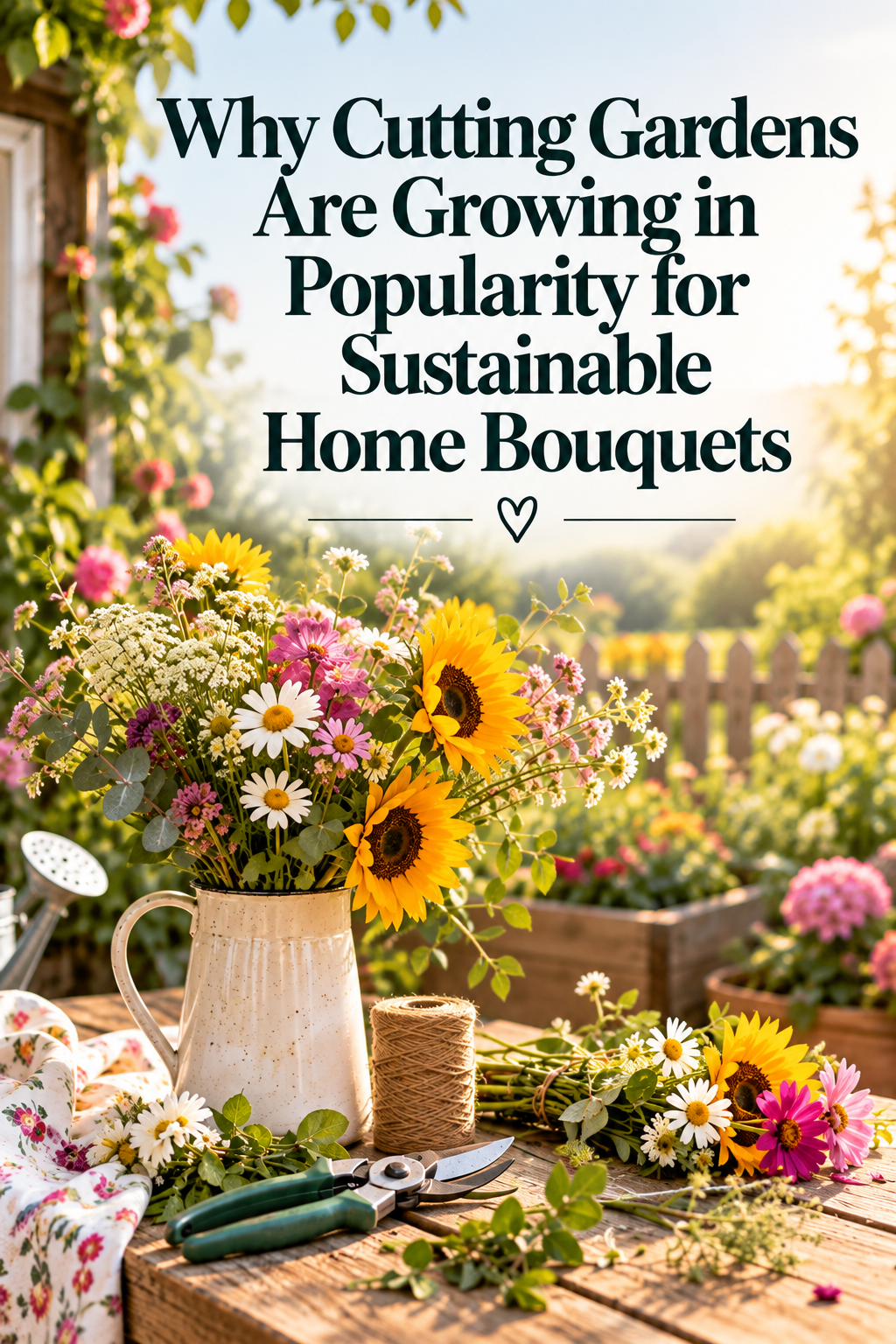
Why Cutting Gardens Are Growing in Popularity for Sustainable Home Bouquets
Cutting gardens are redefining how people bring flowers into their homes, focusing on sustainability and personal creativity. The trend is gaining momentum as more people seek alternatives to imported blooms, embracing seasonal living, budget-friendly abundance, and authentic connections to the natural world.
The return of home-grown flowers reflects lifestyle shifts, including the move towards sustainability and mindful consumption. Cutting gardens offer a practical yet fulfilling way to enjoy fresh floral arrangements without relying on commercially grown options. Designed with harvesting in mind, they allow anyone to enjoy bouquets filled with their favourite blooms throughout the season. For those interested in sustainability and further gardening resources, platforms such as Florea offer neutral guidance and ideas for sustainable floral arrangement, including tips on plant selection, arrangement techniques, and seasonal inspiration.
How a cutting garden differs from standard borders

A cutting garden is purposefully created to grow flowers for picking rather than purely for visual appeal in the landscape. Unlike ornamental borders that remain largely untouched, cutting gardens invite you to regularly harvest stems for home arrangements, encouraging continual growth and replenishment.
This practical approach allows you to enjoy your favourite flowers indoors while supporting healthy garden ecosystems. By selecting plants specifically for their cutting qualities, you encourage greater plant diversity and can tailor your space to changing preferences or the demands of the season.
Factors fuelling the renewed popularity of cutting gardens
The rise of cutting gardens can be traced to several factors relevant to modern home gardeners. Convenience plays a significant role, as being able to step outside and pick fresh flowers eliminates trips to florists and ensures bouquets are as fresh as possible.
Reducing reliance on imported flowers is also a benefit, as it can help support environmental goals by lessening transport emissions and packaging waste. Cutting gardens allow you to select varieties for vase life, scent, or personal meaning, making every arrangement a personal creation. Seasonal living is supported, as tending and harvesting from your own plot encourages a greater appreciation of natural cycles.
Best practices for planning a productive cutting garden
Choosing the right location is essential for a successful cutting garden. Most flowering plants need at least six hours of sun daily, so a bright, sheltered spot provides the best chance for continuous blooming. Planning your space in “successions”, sowing new seeds or planting seedlings every few weeks, keeps the garden productive from early spring through autumn.
Blending annuals with reliable perennials and foliage plants creates variety and ensures bouquets have both colour and structure. Deadheading, or removing spent blooms, is a simple method to promote fresh growth and extend the cutting season, making your garden more rewarding over time.
Simple steps to begin growing and arranging your flowers

When selecting flowers for your cutting garden, annuals like zinnias, cosmos, and sweet peas are dependable choices for continuous harvests. Long-stemmed varieties can give an elegant look to homemade bouquets, and including scented flowers or foliage such as mint or dill adds extra interest and aroma.
The best time to cut flowers is early morning, when stems are fully hydrated. Using clean, sharp tools and placing freshly cut stems in water right away helps maintain freshness. Conditioning flowers by stripping lower leaves and making a fresh cut under water can help arrangements last longer. Gardeners seeking further advice may find guidance from organisations such as the Royal Horticultural Society, which offers advice on cutting gardens without the need for commercial resources.
Sustainability principles at the heart of cutting gardens
Practising sustainability in a cutting garden means making deliberate choices, such as composting plant waste and saving seed for future crops. Reducing the use of chemical fertilisers and pesticides can help protect pollinators and local biodiversity. Growing what you will actually use minimises plant waste and supports the thoughtful use of resources.
Perhaps most important is embracing the natural imperfections that come with home-grown blooms. Each flower tells a unique story and brings a sense of authenticity to your arrangements, reflecting the real value found in cutting garden bouquets. Those wishing to learn more about seasonal outdoor gardening projects can benefit from the wealth of practical information commonly available through gardening books, local experts, or established horticultural organisations.
Pin It!