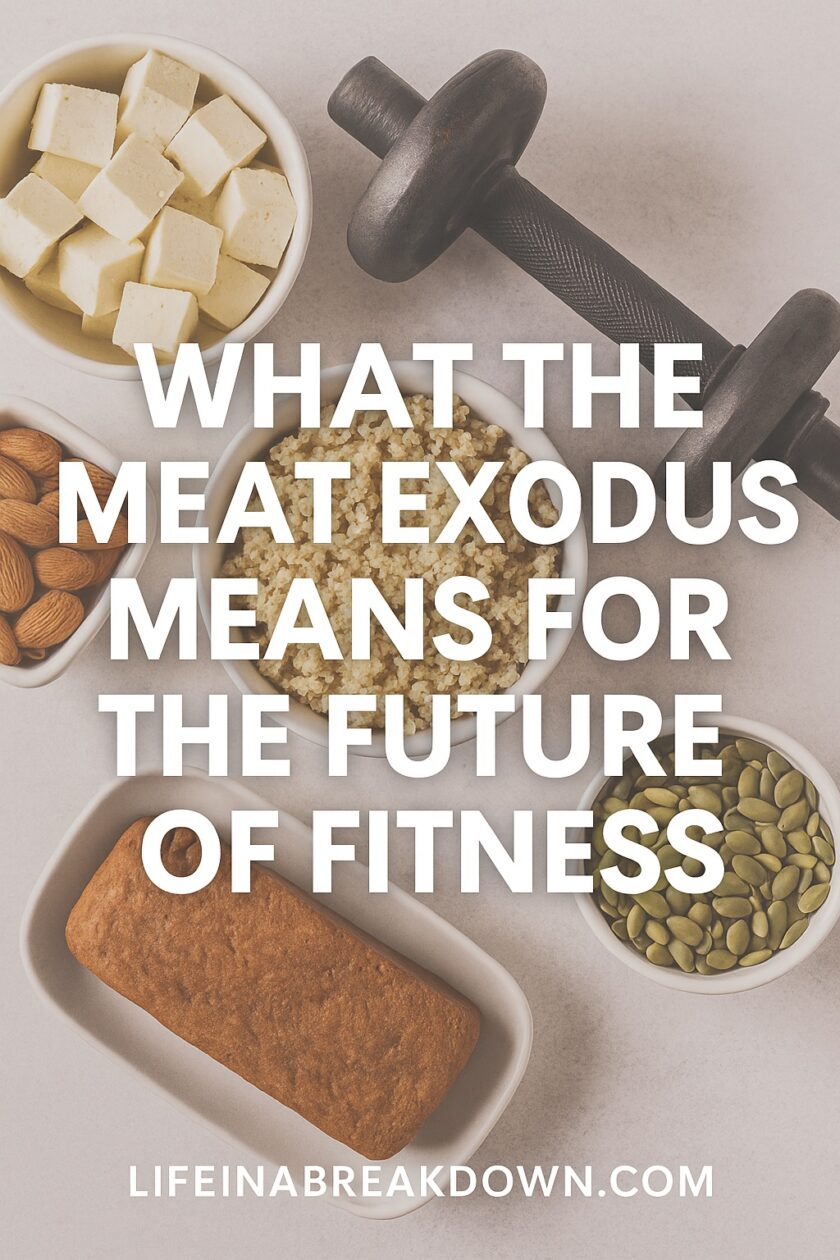
What the Meat Exodus Means for the Future of Fitness
Some believe that the future of fitness lies in changing diets from meat to plant-based. This is evident in the many top-tier athletes making the change, including Venus Williams, Lewis Hamilton and Novak Djokovic. When world-class athletes of this calibre make changes like this, there is usually something to it. Now, no one is saying that plant-based is better than meat, and everyone is different. However, from cardio health to education, here are some future concerns.
Focusing on Plant-Based Proteins

It is common knowledge that athletes focus on proteins for a wide array of reasons. Energy, muscle recovery and stamina are typical reasons given for consuming protein that usually comes from meats such as beef. However, you can use plant based protein for muscle building and recovery when you source the right products and use the right ingredients. For example, you can source a high level of plant-based proteins from legumes, tofu, and, of course, nuts.
The Future of Fitness and Cardio Health
Sudden cardiac death (SCD) causes around 10% to 20% of the deaths in Europe. Of course, athletes can also experience this, but there is usually an undiagnosed underlying condition. To reduce the chance of SDC, many athletes are advised to try plant-based alternatives instead:
- Plant-based diets are linked to lower low-density lipoprotein (LDL) cholesterol.
- Reducing proteins that come from red meats in particular can also lower blood pressure.
- Improved cardiovascular health markers will aid in athletic situations such as recovery.
Improved Recovery Times
Recovery is, of course, a vital part of fitness and athletic health. Traditional methods include rest, hot and cold therapy and NSAIDS that can help reduce inflammation. However, non-meat diets have also been shown to reduce inflammation. This means going meat-free can assist with recovery by reducing how sore muscles are after a gruelling session. However, this also means that your muscles gain exercise benefits quicker, and inflammation doesn’t impact life as much.
A More Sustainable Approach
Of course, eating meat is usually seen as unsustainable, and there are some cutting-edge developments being made to reduce the number of animals that must be slaughtered. This includes lab-grown meat that can be engineered to include more protein. However, this doesn’t appeal to everyone. Plant-based foods are a popular alternative, and plants are, of course, sustainable. So if you have thoughts about your environmental impact, switching will help.
Mindful Consumption and the Future of Fitness
Around 15% of UK adults like to practice mindfulness as part of their personal wellness routine. It is believed that mindfulness is essential for good mental health and helps manage daily life. As such, mindfulness has a place within the future of fitness where choices make a difference.
A mindful approach to food choices
What you eat plays a major role in how you think, feel and move. Therefore, being mindful of the options for meals plays a significant role in crafting your perfect meal-time routine each day.
A focus on unprocessed foods
Understanding personal dietary needs and how certain foods affect you helps in shaping a well-rounded meal plan. With this, you can shift from unhealthy processed meats and snacks.
Reduced reliance on meat and fats
Plant-based foods are no longer seen as a niche market and can, in fact, help you form a better diet overall. A gradual decrease in reliance on meat and fats helps you source healthy energy.
Mindfulness contributes to a holistic approach to diet, health and fitness. Modern fitness enthusiasts see it as a vital part of the entire ethos to be included in personal health and wellbeing. However, it also allows you to develop a broader awareness of your own journey.
Highly-Personalised Nutrition
There isn’t a one-size-fits-all approach to diet. Sure, you can try the latest fad your friends and favourite celebrities are doing. But in most cases, these are very unhealthy and never recommended by genuine doctors. However, reducing or removing meat from your diet can yield some good results. You will immediately and dramatically reduce the amount of fat in your diet, which is never a bad thing. But be aware, you will need a varied diet for certain vitamins.
Continued Food Tech Innovation
There is a growing demand for meat alternatives, which is driving a thriving industry. Today, there are more plant-based brands than ever, and supplements are among the most sold items on Amazon. As demand grows, tech companies, dieticians and savvy business people will invest more in meat alternatives, which can only mean better things for fitness enthusiasts and those wanting to reduce how much meat they consume while living a balanced, holistic lifestyle.
Plant-Based Education within the Future of Fitness

Around 40% of vegans assume that a plant-based diet is better for their health (The Vegan Society) and provides more energy than meat and fats. Of course, everyone is different, and it all comes down to education to make informed decisions that can affect how you feel daily:
- Young and older athletes alike can make informed decisions about dietary options.
- Education will help remove some of the myths surrounding switching from meat.
- Communities can be built to share recipes, dietary health and support for switching.
A Diverse Fitness Landscape
All over the world, there are athletes and fitness enthusiasts always looking to push themselves harder and faster while staying as healthy as possible. What is trending in one country may not be as popular in another. However, this helps promote a diverse fitness landscape where everyone can learn from each other. This includes fitness regimens, of course. But it also includes dietary advice and the sharing of alternatives to meat that help you stay healthy.
Summary
Plant-based protein sources are often cited as excellent meat-free alternatives, being used by world-class athletes embracing the future of fitness. However, you can also be more mindful of what you are eating when you change your diet by reducing how much meat you consume. This and other aspects will help promote a more diverse landscape in fitness, where everyone can come together and share ideas that promote improved health for anyone interested in the topic.
Pin It!