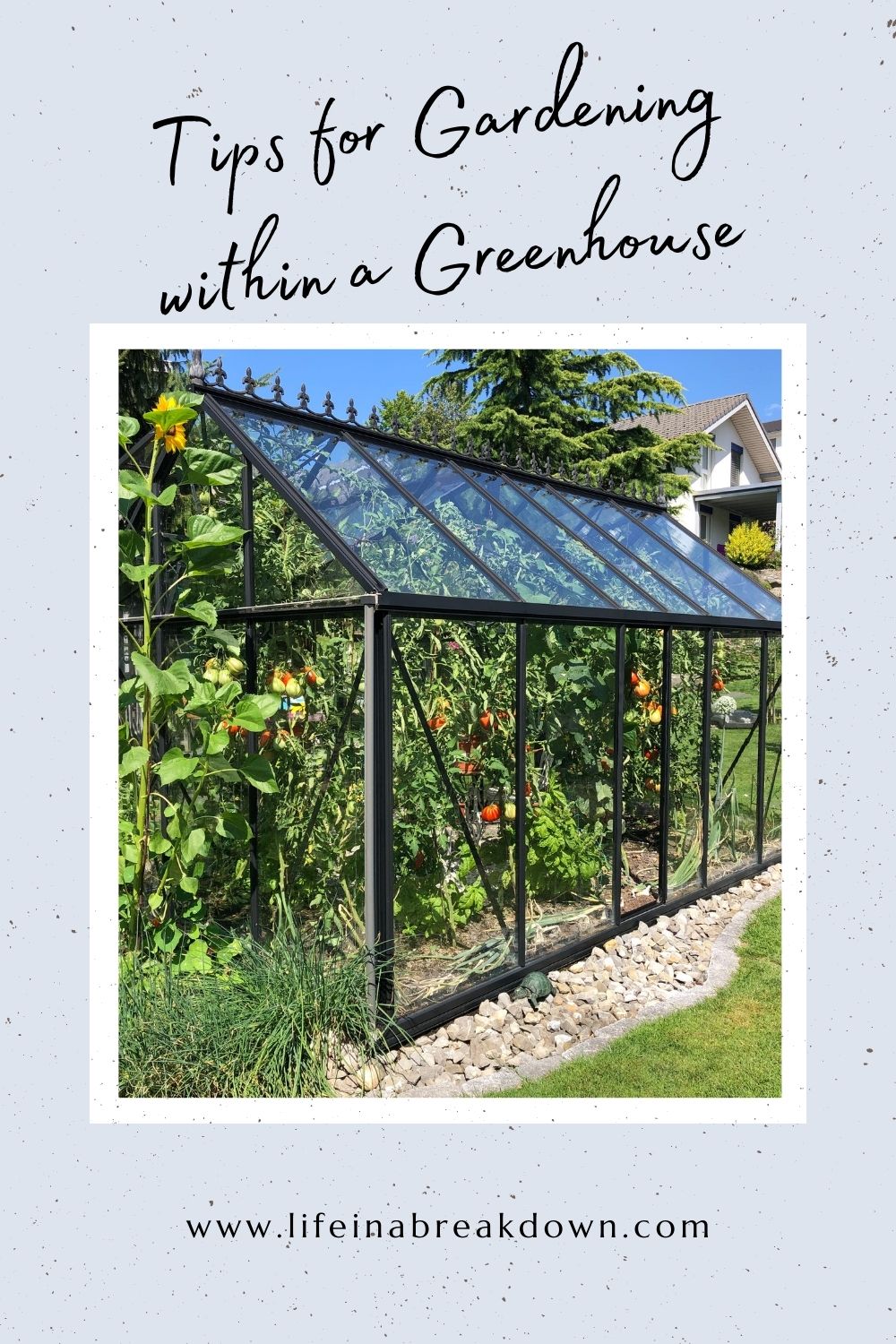
Tips for Gardening within a Greenhouse
When you think about indoor gardening, you probably immediately picture having a few potted herbs in your kitchen or filling your home with greenery to help keep the air clean. However, there’s another indoor option that more and more people are starting to use: greenhouses.
These structures can make it easier to grow fresh produce all year round, no matter where you live and what the weather is like. They help to provide the optimum growing environment for many different types of plants. Read on for some greenhouse gardening tips you can follow today.
Buy the Best Greenhouse for Your Needs.

Firstly, buy the best greenhouse for your personal needs. There are all sorts of designs, shapes, sizes, and materials on offer these days, so take your time finding the right one. Work out what’s important to you and the budget you can spend on the purchase.
Do you want to focus on a greenhouse kit that you can put together yourself or opt for a custom-designed greenhouse specially created for you? Think about whether you want a walk-in greenhouse that’s freestanding, with multiple sides, which can be situated in any location in your garden, or a lean-to option that requires erecting against a wall or building.
Your gardening interests and goals will affect your choice of product. People keen to grow as much fresh produce throughout the year as possible will have different requirements to someone wanting to grow tropical plants or cacti and succulents, for instance. Try to decide which plants you want to take care of within a greenhouse, then research the best elements for them. Consider factors including humidifying and dehumidifying, insulation, heating, ventilation, artificial lighting, and glazing. Different greenhouses work for different needs.
You may also want to consider buying a modular greenhouse or at least one with an internal infrastructure that isn’t too challenging to move. With this kind of setup, you can adjust the greenhouse layout as you need over the years as plants change and grow or as you start to ramp up your level of farming. Flexibility and scalability can be helpful in a greenhouse.
Pick a Good Site for Your Greenhouse.
The next step is to locate the best spot to place your new growing shelter. This decision can be tricky to work out by yourself if you’ve never used or installed a greenhouse before, so consider hiring a tradesperson to offer advice and help set up. Search for “experienced contractors near me” for instance, to locate qualified specialists in your vicinity who can assist. Plant nurseries in your area may also be able to give you some suggestions.
When finding a location for a greenhouse, don’t forget you need a site with plenty of sunlight on every side, as well as a firm foundation. If you’re not buying a product that goes directly over the soil, you’ll need a solid base to sit your greenhouse on, such as one made from concrete, timber, brick, or recycled plastic lumber. When choosing the best position, try to stay away from large structures or trees that might cast too many shadows over the greenhouse.
Block Pests.

While a big part of why you want to garden with a greenhouse may be so that fewer pests can attack your plants, don’t be fooled into thinking that little critters won’t still try their best to get in. Greenhouses are sometimes a breeding ground for plant-eaters such as aphids, thrips, leafminers, mealybugs, spider mites, and fungus gnats.
Take steps, then, to reduce the risk of infestations and protect your plants. For example, if you buy woody plants, such as gardenias, take the time to check them for pests before you take them inside your greenhouse. You don’t want them moving from plant to plant once they’ve made it in. Where possible, position new plants in an area that’s apart from others, in their own kind of “quarantine.” This way, non-flying pests won’t be able to spread around the greenhouse garden so freely.
Furthermore, use biological pest controls to keep the annoying animals at bay. Ladybugs help to rid plants of aphids, for instance. You can also make a difference naturally by placing suitable companion plants together, where one will ward off another’s pests. For example, put basil next to tomato plants or petunias close to beans and potatoes.
Using a greenhouse takes a bit of getting used to, and you must ensure the structure is kept clean and well-maintained for best results, but you’re sure to find your new gardening rhythm soon. Enjoy the many benefits that come from having this set up in your yard and the many more hours you can comfortably spend gardening.
Pin it!