Skin Microbiome and Rosacea: What’s the Connection?
Today I have a post from fellow blogger Petra, talking about the connection between skin microbiome and rosacea. I hope you enjoy this interesting and informative read.
If you have rosacea, you know how tricky it can be to avoid flare-ups. Things like too much sun, stress, certain foods, and even alcohol can make your rosacea worse. But here’s the thing – triggers can be different for everyone, and sometimes it’s hard to figure out what’s causing your symptoms. That’s why living with rosacea can be incredibly hard and frustrating.
However, there’s something very important you should know: the role of your skin’s microbiome. The tiny organisms living on your skin can significantly affect your rosacea and whether you can keep it under control. Let’s see what this actually means and what you can do to help your skin.
What is the Skin Microbiome?

First of all, let me explain what the skin microbiome is. Our skin is full of different microorganisms that you can’t see with the naked eye. There are bacteria, fungi, mites, and even viruses living on our skin. These millions of tiny organisms make up what we call the skin microbiome. They usually live harmlessly in a balanced relationship, or symbiosis, with our skin.
A good balance of these organisms is extremely important for our skin health. When they are balanced, our skin’s barrier stays strong, helping to prevent infections and reduce inflammation.
A healthy skin microbiome keeps bad bacteria out. But if the skin’s microbiome becomes imbalanced, with one type of organism starting to dominate, the skin becomes more prone to damage and inflammation. This imbalance can lead to various skin issues such as eczema, acne, and yes, also rosacea.
What Causes Imbalances in the Skin Microbiome?
There are several factors that can affect our skin’s microbiome and cause imbalances. For example, over-washing with regular soaps can dry out the skin and damage the skin barrier. This can strip away beneficial oils and microorganisms, leading to an imbalance.
Other factors include:
- Harsh Skincare Products: Using products with strong chemicals or fragrances can disrupt the natural balance of your skin microbiome.
- Antibiotics: While antibiotics can target harmful bacteria, they can also kill beneficial bacteria, leading to an imbalance.
- Diet and Lifestyle: Poor diet, lack of sleep, and high stress levels can negatively impact your skin’s health and its microbiome.
- Environmental Factors: Pollution and UV radiation can damage the skin barrier and alter the microbiome.
- Hormonal Changes: Fluctuations in hormones, such as during puberty or menopause, can affect the skin’s microbial balance.
When these factors upset the balance of microorganisms on your skin, it can cause harmful bacteria or mites to grow too much, leading to inflammation and making your rosacea worse.
Which Microorganisms are Linked to Rosacea?

Research is still ongoing, but here’s what we know so far about some of the microorganisms that might contribute to rosacea:
Demodex Mites
Demodex mites are tiny parasites living in hair follicles. Everyone has them, but people with rosacea often have more. These mites tend to thrive at higher temperatures, which might explain why heat often makes rosacea worse. The increased number of mites can trigger an immune response, leading to inflammation and rosacea flare-ups. They are commonly found in areas most affected by rosacea, like the cheeks, nose, chin, and forehead.
Staphylococcus epidermidis
Staphylococcus epidermidis is one of the most common bacteria on the skin. Research shows that this bacterium might play a role in rosacea, especially in subtype 2 (papulopustular) rosacea. Studies have found higher quantities of this bacterium in the pustules of rosacea patients, suggesting it could contribute to inflammation and pustule formation.
Bacillus oleronius
Bacillus oleronius is closely associated with Demodex mites and can trigger an inflammatory response in people with rosacea. Studies have found that treatments effective against rosacea often target this bacterium, indicating its significant role in the condition.
Cutibacterium acnes
Cutibacterium acnes is commonly found in hair follicles and sweat glands. It breaks down sebum into free fatty acids, which can prevent other harmful microorganisms from colonizing the skin. While typically associated with acne, imbalances involving this bacterium can also affect rosacea, contributing to inflammation.
So, What Can You Do to Help Your Skin?
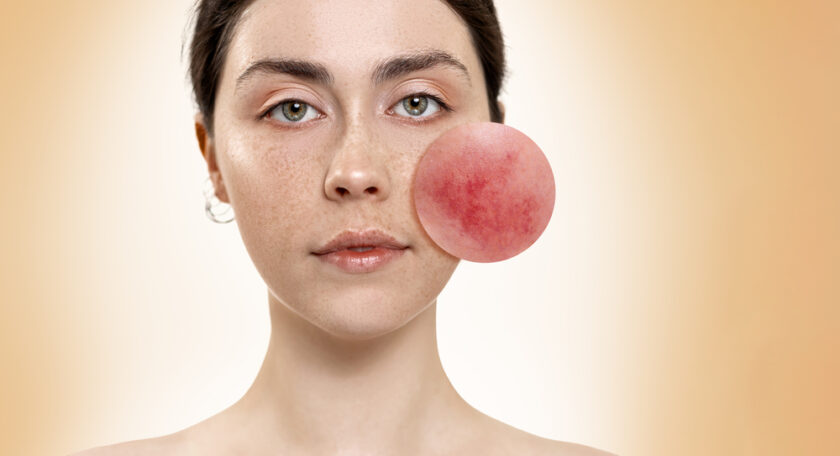
Now you know that the skin microbiome plays a big part in rosacea, but the big question is: what can you do? Your dermatologist may have already recommended some of these things:
Proven Treatments
Topical treatments like azelaic acid are commonly used for rosacea. Azelaic acid helps reduce inflammation and the number of mites and harmful bacteria on the skin, promoting a healthy skin microbiome. Medications like metronidazole and ivermectin also target Demodex mites and certain bacteria, helping to control rosacea symptoms.
Protect Your Skin from Heat and Sun
Higher temperatures can make Demodex mites more active, worsening rosacea. UV rays from the sun can damage the skin barrier and disturb the microbiome, leading to more inflammation. Using broad-spectrum sunscreen and staying in the shade can help protect your skin.
Use Probiotics
Topical probiotics can help balance the skin microbiome, promoting the growth of beneficial bacteria and reducing inflammation.
There is also evidence that gut health is linked to skin health. Probiotics taken orally can support a healthy gut microbiome, which may in turn help manage rosacea. Some studies suggest that an imbalance in gut bacteria can contribute to skin inflammation and rosacea flare-ups.
Gentle Skincare Routine
Using gentle, fragrance-free cleansers and moisturizers can help avoid disrupting the skin microbiome. Incorporating hyaluronic acid into your routine can be particularly beneficial for rosacea, as it helps hydrate and soothe the skin without causing irritation.
It’s also important to avoid harsh exfoliants and products with strong chemicals that can strip away beneficial microorganisms. However, a mild chemical exfoliant such as mandelic acid is safe for rosacea, as it gently exfoliates without causing irritation and helps improve skin texture and tone.
Lifestyle Changes
A healthy diet rich in fruits, vegetables, and whole grains can support both gut and skin health. Foods rich in omega-3 fatty acids, like fish and flaxseeds, can help reduce inflammation. Stress can affect your skin and overall health, so practices like yoga, meditation, and regular exercise can help manage stress levels, potentially reducing rosacea flare-ups. Protect your skin from pollution by using antioxidant-rich skincare products, which can help neutralize free radicals that damage the skin and disrupt the microbiome.
Author Bio
Petra Nakashian is a beauty blogger whose blog, Beauty Insights Hub, explores the science behind ingredients, beauty treatments, and skincare solutions. Passionate about reading the latest studies on beauty ingredients and skin diseases, Petra translates complex information into simple, easy-to-understand insights for her readers. Her blog offers a wealth of knowledge on effective skincare practices and solutions, empowering readers to make informed beauty choices.
Pin It!





My best friend suffers from Rosecea quite badly. She has tried all sorts of products but I dont think she has tried probiotics so this would be something to try.
That was a particularly interesting post: thank you! It’s difficult not to get a bit squeamish about having mites living on your face but I guess the symbiotic relationship within the skin microbiome is what counts.
Great read and some good tips. Thanks
My friend has quite severe rosacea, I will send her the link to this article.
A very interesting post. I have suffered with rosacea for some years I do know the triggers, in my case stress and alcohol (which I only drink on special occasions) are the main causes for me. I use Metronidazole as a topical cream which does help.