Owning A Pet: The 101
Owning a pet can be a wonderful and rewarding experience, especially if you have children. Having a pet in the home gives you all something to focus on, and understand responsibility by looking after the animal and bonding with it.
If you are intending to give a forever home to an animal, whether it is a dog, cat, guinea pig or even a humble goldfish, it is important that you weigh up all of the advantages and disadvantages, However, knowing what to take into consideration can be difficult, especially if you have never had a pet before.
In this article, we look at all of the things that you need to think about before taking on the responsibility, and some of the benefits in case you were sitting on the fence. Read on to find out more.
What do you need to think about when it comes to pet ownership?
The time commitment: Some pets require very little in terms of time, such as hamsters and goldfish, but others, such as a dog, or even a horse, need lots of time and attention devoted to them.
Can you dedicate the hours to them? If you work full time, have a young family or other commitments, think about whether it is fair to bring a pet into your home.
The financial commitment: As with the above point regarding time, some pets need a lot more in terms of a financial commitment than others.
As well as the initial costs involved, you need to think about things such as vet care, kennels or holiday care, insurance, food, and so on.
If you are already living on a tight budget, a pet may stretch your finances too far.
The type of pet: You need to take your lifestyle into consideration. If you live in an inner-city fifth-floor apartment, is it fair to get a big dog? If you have a child that is prone to allergies, is a cat really the most sensible option?
What pet should you go for?
Dog

Dogs are not known as ‘man’s best friend’ for nothing.
Depending on the breed of dog you go for, they can be one of the most loyal and rewarding pets that you could go for.
However, being a huge part of the family involves a great deal of commitment. They need to be walked daily, played with, let out into the garden, fed and groomed.
As well as this, you have to ensure that you are training them well to keep them safe. There are various methods that you can use to train your dog, including looking into dog training with invisible fences.
If you go on vacation, you will need to find kennels to look after them or find someone to come and housesit for you.
You also need to think carefully about what you will feed your dog, as it will make a huge difference in their health and wellbeing. Check out Visionary Pet, especially if you are after a low carb, high protein diet for your dog.
The average life expectancy of a dog is ten to fifteen years.
Cat

Compared to a dog, a cat can be quite independent.
If you have a cat flap, they can come and go as they please, and while some cats do like to snuggle up on the couch with you, most quite like their alone time.
However, do not be fooled into thinking that a cat does not require commitment and attention.
Obviously, they do not need a daily walk like a dog, but they still need feeding, grooming, and vet care. If you go away, you need to take them to a cattery or have someone to come and feed them regularly.
On average, a family cat lives for around fifteen years.
Guinea pigs, hamsters and rabbits
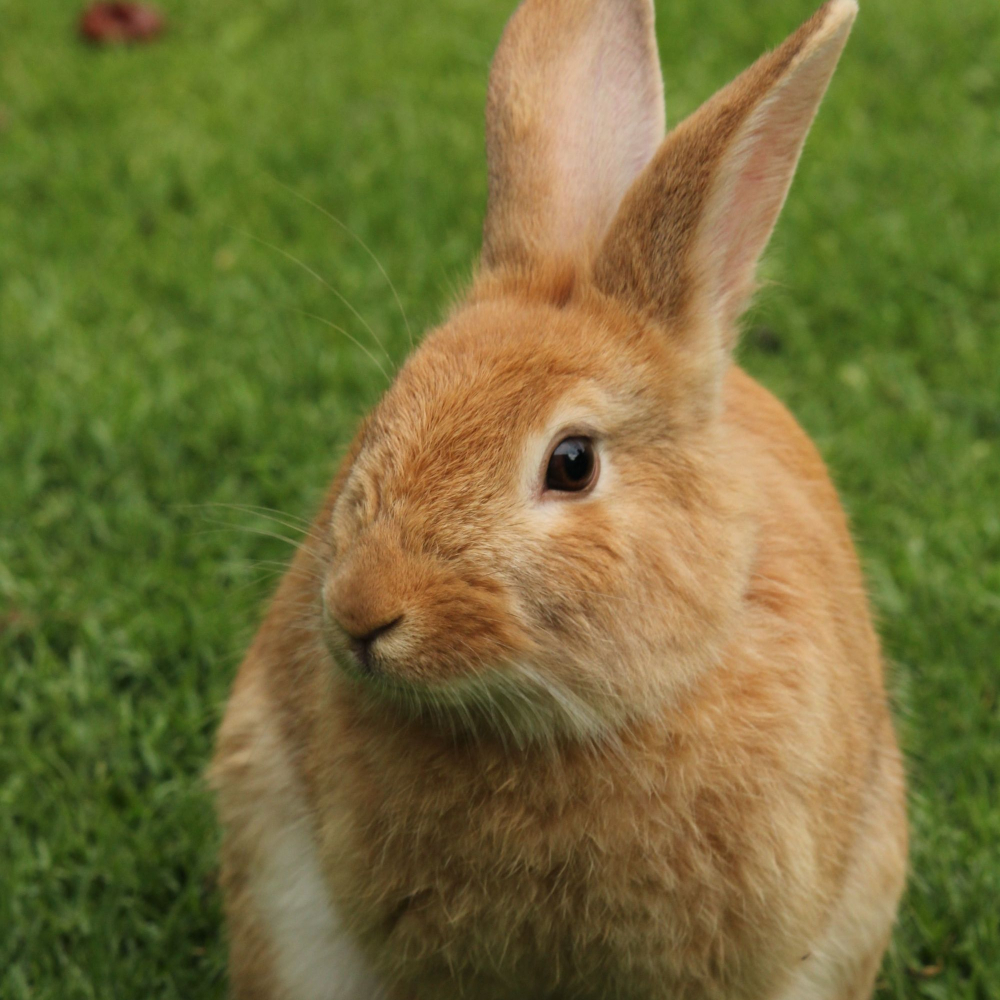
Rabbits, guinea pigs, and hamsters are generally caged and self-sufficient.
Guinea Pig Cages come in all different shapes and sizes.
As long as their cages are kept clean, they are fed and have the opportunity to get out and have a run around once in a while; they are more than happy to be left alone.
If you have smaller children, these are ideal and allow you to limit the handling time of them, as opposed to cats and dogs.
The average life expectancy for a hamster is three years, and a rabbit can live for around ten years.
What are the benefits of owning a pet?
“Animals are such agreeable friends – they ask no question; they pass no criticisms” George Elliot.
Studies have shown that anxiety and depression are some of the leading mental health issues in the United Kingdom. Finding ways to help to overcome these is obviously important.
Some turn to medication and some prefer holistic treatments and therapy.
Of course, both of these methods work, but turn to any pet owner and they will be able to tell you about some of the ways that owning a pet can help to boost your mood and improve mental health.
Companionship reduces the risk of depression and anxiety
For many, anxiety and depression go hand in hand, so by dealing with one, you can often – not all of the time – deal with the other.
Depression generally makes you feel overwhelmingly sad, and anxiety leaves you feeling uneasy. Put these two things together, and it can be very easy to end up feeling isolated and lonely, which both then worsen mental health.
It really can be a vicious circle! However, it is thought that owning a pet can help with both of these conditions.
The reasons behind this may be because pets are able to provide you with a sense of worth, offer unconditional love and can offer a calming and soothing effect – all of which can reduce symptoms of depression and anxiety.
They help to improve social skills
Recent studies have shown that children with ASD may find that owning a pet can help them with their social skills and reduce the anxiety and frustration that often comes hand in hand with ASD.
Researchers have long attributed caring for a pet as a great way of improving social skills, so parents may want to consider a pet for their child.
Of course, many children long for a dog, but if a bigger animal is out of the question, something smaller like a guinea pig, tortoise or rabbit may be worth looking into.
They have a calming effect
When an animal is petted, oxytocin is released (a hormone related to anxiety relief), allowing someone who is experiencing feelings of anxiety and/or depression to relax and to feel comfortable and at ease.
Because of the calming effects, there has been an increase in animal-assisted therapy (AAT) such as dog therapy, where people sit with animals and pet them for a while.
Research has shown that adults who have undergone animal therapy have seen reduced anxiety, even those who have said they were not a fan of animals.
Animals have many benefits and are so much more than just an animal. Animals are not only pets, but they can improve a person’s mental and physical health, regardless of how small or big the animal is and irrespective of the age of the owner.
If you are searching for ways to improve your children’s mental wellbeing or behavioural wellbeing, then make sure that you take animal assistance into consideration.
Dog and cats are perfect for children, but it can be very helpful for young people to take care of a smaller pet.
It is, however, important to think about the animal that you are bringing home to make sure that it fits in with your lifestyle, and that you dedicate the time and the money to it to make sure that it has a happy forever home with you and your family.
Pin it!