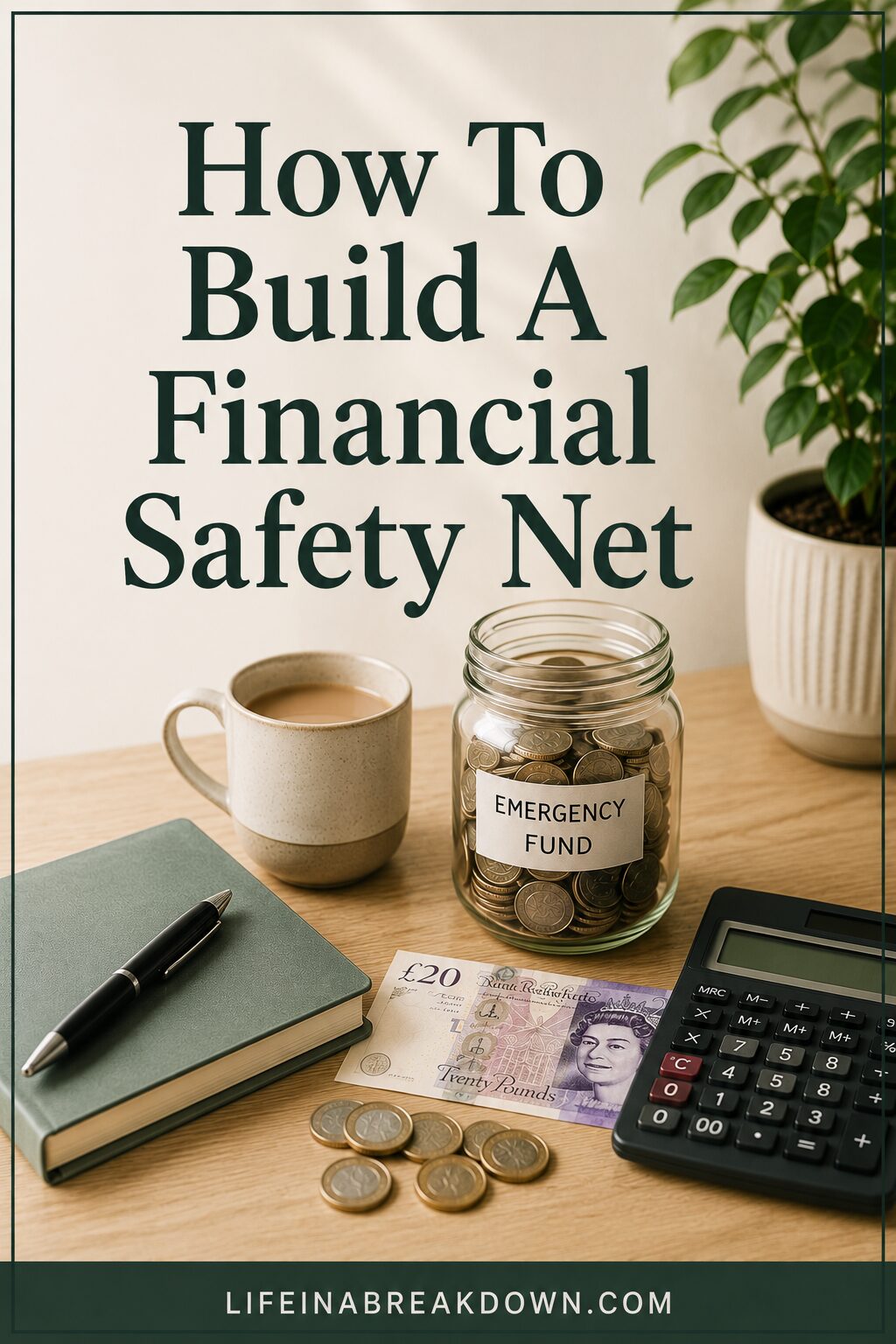
How To Build A Financial Safety Net
Most of us have had that sinking feeling when an unexpected bill shows up at the worst possible time. Whether it’s an emergency car repair or vet expenses, these things happen to almost everyone at some point, and they’re a lot easier to deal with when you’ve got some money tucked away and a few other resources to lean on.
Building that kind of cushion takes time, but you don’t need a huge salary to make real progress. Small, steady moves over months and years will get you to a much more reliable place.
Start with a dedicated emergency fund

Your emergency fund works best when it’s separate from your everyday checking account. Mixing the two makes it tempting to dip in for a takeout meal or a sale, and before you know it the cushion you built has shrunk.
Most financial planners suggest three to six months of essential expenses, covering rent or mortgage, groceries, utilities, insurance, and minimum debt payments. If your basics run around £3,000 a month, your target falls between £9,000 and £18,000. Smaller chunks can make that number manageable. Save £200 a month and you’ll have £2,400 in a year, which already covers most car repairs or a surprise dental bill.
Build consistent saving and budgeting habits
An automatic transfer scheduled for the day after payday moves the money before you can spend it, and even £50 a week adds up to £2,600 over twelve months without you having to think about it. Alongside that, a budgeting method you’ll actually stick to also helps. The 50/30/20 approach gives you flexibility without micromanaging every coffee: half your take-home covers needs, 30% goes toward wants, and 20% feeds savings and debt repayment.
Apps can pull your accounts into one place, though a simple spreadsheet works just as well, while free budget worksheets and calculators can help you map things out. Track where your money goes for one month and you’ll spot patterns you didn’t realise were costing you.
Reduce debt to strengthen financial flexibility

High-interest debt eats into everything else you’re trying to build. A credit card balance at 24% APR costs you far more each year than your savings account can earn back, so chipping away at it frees up real cash. Choose the approach that suits you. The avalanche approach tackles the highest interest rate first and saves you the most money mathematically, while the snowball method targets your smallest balance first, which feels good and keeps momentum going when progress feels slow. The FTC’s guide on how to get out of debt walks through options like negotiating directly with creditors, which can be worth a try before considering a balance transfer card or a lower-rate personal loan.
Complement savings with backup financial resources
Your emergency fund does the heavy lifting, and a few supporting tools give you extra room when something bigger lands. A personal line of credit can act as a flexible reserve you only draw on if you genuinely need it.
Decent health coverage paired with disability and renters’ or homeowners’ policies can stop a single event from wiping out years of progress. Your credit score is also important because a better credit score unlocks cheaper borrowing options when you actually need them, so pay on time and keep card utilisation low.
Pin It!