How to Boost Hair Growth Naturally: The Role of Diet and Supplements
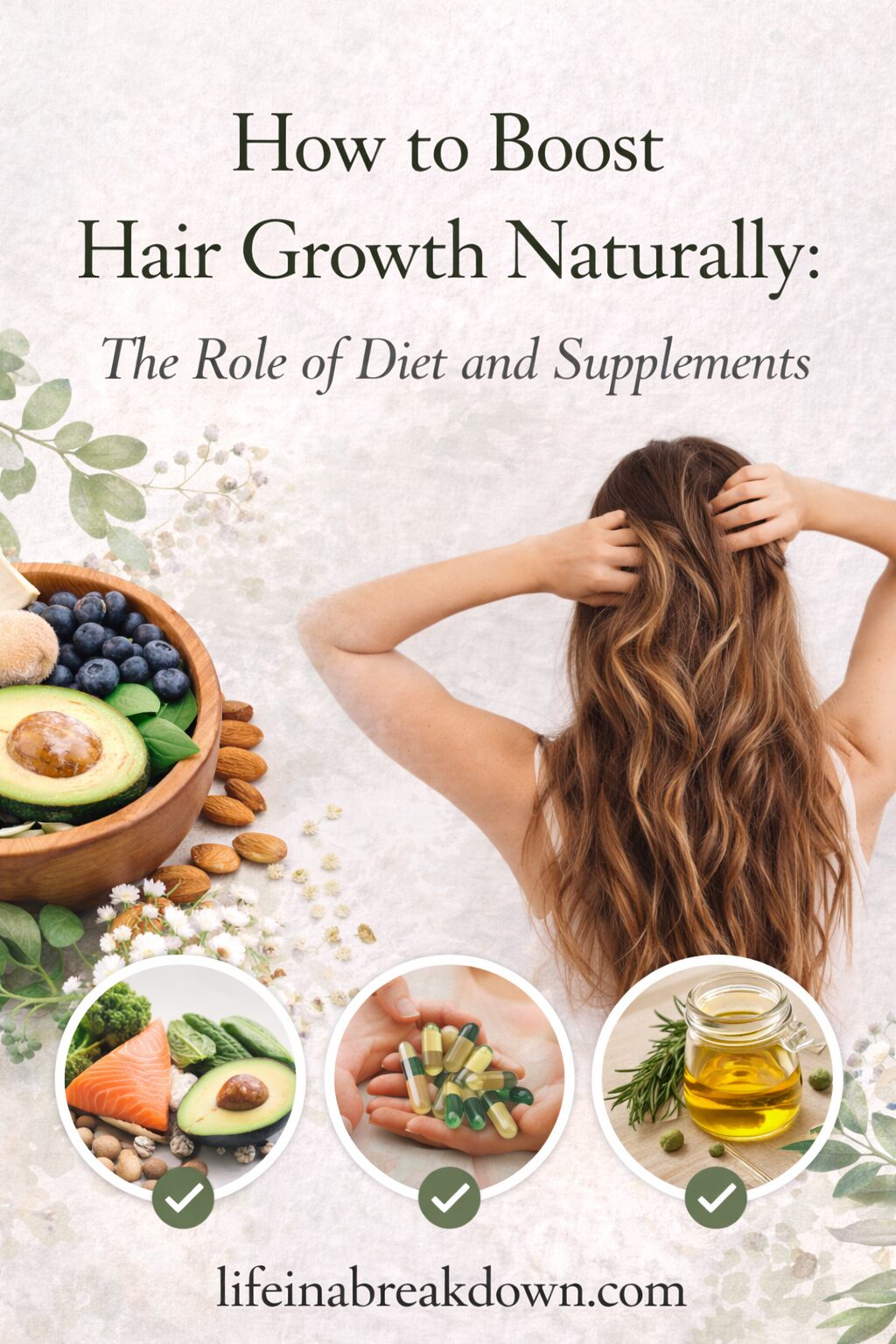
Long, healthy hair is something most of us wouldn’t say no to, but it isn’t just about what you slather on your scalp – it starts from within. Hair growth is genuinely complicated. Yes, genetics and age have their say, but day-to-day choices around diet and lifestyle matter more than people often realise. Getting the right nutrients into your body is one of the most straightforward, sustainable things you can do to support your hair – and pairing that with the right hair supplements can make a real difference too.
The Importance of a Well-Balanced Diet

Before we get into supplements, let’s talk about food, because no pill in the world will compensate for a diet that’s consistently lacking. Hair needs fuel, and that fuel comes from what you eat. A varied diet rich in vitamins, minerals, and protein gives your follicles the best possible chance of producing strong, thick hair.
The nutrients that come up time and again in relation to hair health are biotin, vitamin D, zinc, iron, and vitamin E. Each of them does something specific – whether that’s nourishing the follicle itself, supporting scalp health, or helping hair grow in stronger. So what should actually be on your plate?
Protein-Rich Foods
Hair is made largely from a protein called keratin, which is why getting enough protein in your diet is so important. It keeps hair growing, and it also helps repair strands that are already damaged, reducing breakage. Chicken, turkey, fish, and eggs are all solid options. If you don’t eat meat, beans, lentils, tofu, and quinoa do the job perfectly well.
Omega-3 Fatty Acids
These are the healthy fats that your hair follicles genuinely depend on. Omega-3s keep follicles functioning properly and help the scalp stay hydrated, so you’re less likely to deal with dryness or flakiness. Oily fish like salmon, mackerel, and sardines are the most obvious sources. Prefer plant-based? Flaxseeds, chia seeds, and walnuts are excellent alternatives.
Iron-Rich Foods
Low iron is one of the more common culprits behind hair shedding, yet it often goes unnoticed. Iron carries oxygen to the follicles – without it, hair becomes weak, brittle, and prone to falling out. Red meat, lentils, spinach, chicken, and tofu are all worth including. One useful trick: eating iron-rich foods alongside something high in vitamin C – an orange, some strawberries, or a few slices of red pepper – helps your body absorb the iron much more efficiently.
Vitamin A
The scalp produces its own natural oil called sebum, and vitamin A is what makes that possible. Sebum keeps hair moisturised from root to tip, so without enough of it, you can end up with a dry, flaky scalp that doesn’t exactly create the best conditions for growth. Sweet potatoes, carrots, dark leafy greens, and cantaloupe are all good sources. That said, don’t go overboard – too much vitamin A can actually trigger hair loss, which is the opposite of what we’re after.
Zinc

Zinc tends to fly under the radar, but it’s doing quite a lot behind the scenes. It helps keep the oil glands around your follicles healthy, and it plays a role in regulating hormones that affect hair growth. Oysters, beef, pumpkin seeds, and lentils are all decent sources. When zinc levels drop, you might notice more shedding than usual, or that your hair seems thinner or slower to grow.
Vitamin E
This one works as an antioxidant, protecting hair from the kind of oxidative damage that accumulates over time. It also encourages better circulation to the scalp, which means follicles get more of the good stuff they need. Nuts, seeds, and oils like sunflower and olive oil are all rich in vitamin E and easy enough to incorporate into everyday eating.
Of course, consistently hitting the right levels of every nutrient through food alone isn’t always realistic – especially if you follow a restricted diet, or if your body struggles to absorb certain things properly. That’s where hair supplements come in.
The Role of Hair Supplements
Think of hair supplements as filling the gaps rather than replacing a good diet. If you’re regularly falling short on certain vitamins or minerals – whether through busy schedules, dietary restrictions, or absorption issues – a targeted supplement can help bring those levels up to where they need to be.
The appeal of hair supplements is partly their convenience. Rather than trying to calculate whether you’ve eaten enough zinc or biotin on any given day, a supplement takes some of that guesswork away. Biotin, in particular, is one ingredient that comes up a lot, and with good reason – it’s a B-vitamin that’s directly involved in keratin production. A deficiency can lead to thinning or shedding, which is why biotin-containing supplements are so widely used. Research does suggest they can help improve hair strength and thickness, particularly where a deficiency is the underlying issue.
Beyond biotin, many formulas also include vitamin D, zinc, and vitamin E – nutrients that collectively support the scalp environment and encourage healthy follicle function. Zinc’s role in sebum regulation, as mentioned, is particularly relevant here.
What hair supplements won’t do is work miracles in isolation. They’re most effective when your broader diet and hair care habits are already reasonably sound. A supplement can complement a healthy routine; it can’t compensate for a poor one.
Lifestyle Factors That Impact Hair Growth
Diet and supplements aside, a few lifestyle factors have a surprisingly significant impact on how your hair grows.
Manage Stress
Chronic stress genuinely disrupts the hair growth cycle, pushing more hairs into the shedding phase before their time. It’s one of those things that’s easy to dismiss, but the evidence is fairly clear. Building in regular downtime – whether that’s meditation, a walk, or simply switching off for an evening – can have a meaningful effect on hair health over time.
Sleep Well
Sleep is when your body does most of its repairing and regenerating, and hair follicles are no exception. Aim for somewhere between seven and nine hours a night. It’s not always achievable, but it’s worth prioritising when you can.
Exercise Regularly
Better circulation means better delivery of nutrients to your follicles, and regular exercise is one of the best ways to keep circulation healthy. As a bonus, it also helps manage stress. It doesn’t need to be anything intense – a brisk walk, a yoga session, or a bit of strength training all count.
Conclusion
Supporting natural hair growth isn’t really about any single magic fix. It’s a combination of eating well, addressing any nutritional gaps with supplements if needed, and looking after your general health. None of it is particularly complicated, but it does require some consistency. Get the basics right – good food, adequate sleep, regular movement, managed stress – and you’re giving your hair a genuinely solid foundation to grow from. The results won’t happen overnight, but they will come.
Pin It!