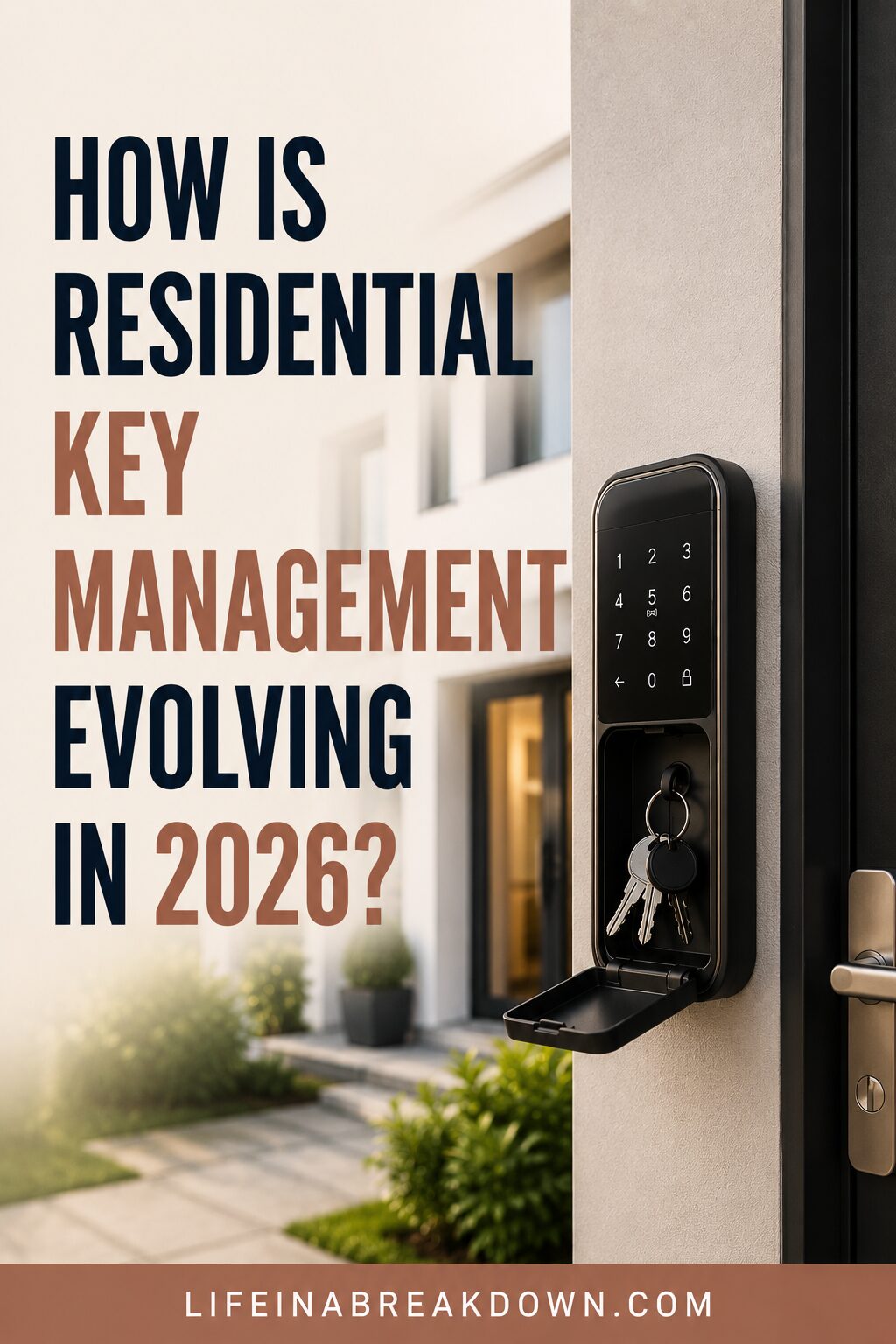
How Is Residential Key Management Evolving In 2026?
How people controlled access to their home was, for centuries if not longer, a relatively stable process. A simple, metal key and a slightly more complicated metal lock. Over the past decade, this basic approach to how we lock our front doors has undergone somewhat of a technological revolution.
For those who manage residential properties, keeping up to date with these ongoing advances is absolutely critical for a wide range of reasons. From the emergence of digital locks to a shifting compliance landscape, these are a few areas to keep an eye on.
Changing access controls

Many residential blocks nowadays use a combination of physical and digital access systems. While some rooms and spaces might require physical keys, others may use codes or cards.
In residential contexts where these systems are in place, key management systems need to rapidly evolve to deal with each of these technologies.
These various management solutions also need to be integrated into one single management system, rather than remaining as a collection of distinct and potentially much less effective systems.
Smartphones
In a lot of contexts, smartphones are becoming the main key in residential buildings. Whether through the use of an NFC lock or by providing access to a specific code, it’s imperative that residential managers learn how to implement controls in these kinds of contexts.
If you’re relatively unfamiliar with these technologies, it’s often necessary to consult an expert with experience in these systems. More conventional key management strategies simply don’t apply to smartphone-operated locks, and you will have to update your approach accordingly.
Smart key management solutions

While technologically advanced keys are becoming more common, there are still all sorts of contexts where more traditional, physical keys are still the norm. In these contexts, it’s imperative that business owners adopt modern solutions to manage these keys.
Smart key management lockers from suppliers such as Traka are essentially at the cutting edge of this. They apply modern access controls and digital integration to the management of physical keys, whether metal or plastic cards, providing residential unit managers with an effective and efficient key management solution.
Compliance
Regulations are also expected to shift in this rapidly evolving technological context. While this will depend on exactly where your organisation is based, you may find that you have a whole host of new standards and legal requirements that your approach needs to comply with, necessitating a range of updates.
It’s important to keep up to date with these regulatory changes as they continue to adapt to modern contexts. Not only is it a legal prerogative, but it can also (sometimes!) provide useful, actionable insights into how you can keep your business more secure.
Residential key management solutions and challenges are sure to continue to develop over the years to come. It is vital that your organisation continues to remain up to date with these developments, so that you can ensure both practical security and regulatory compliance.
Pin It!