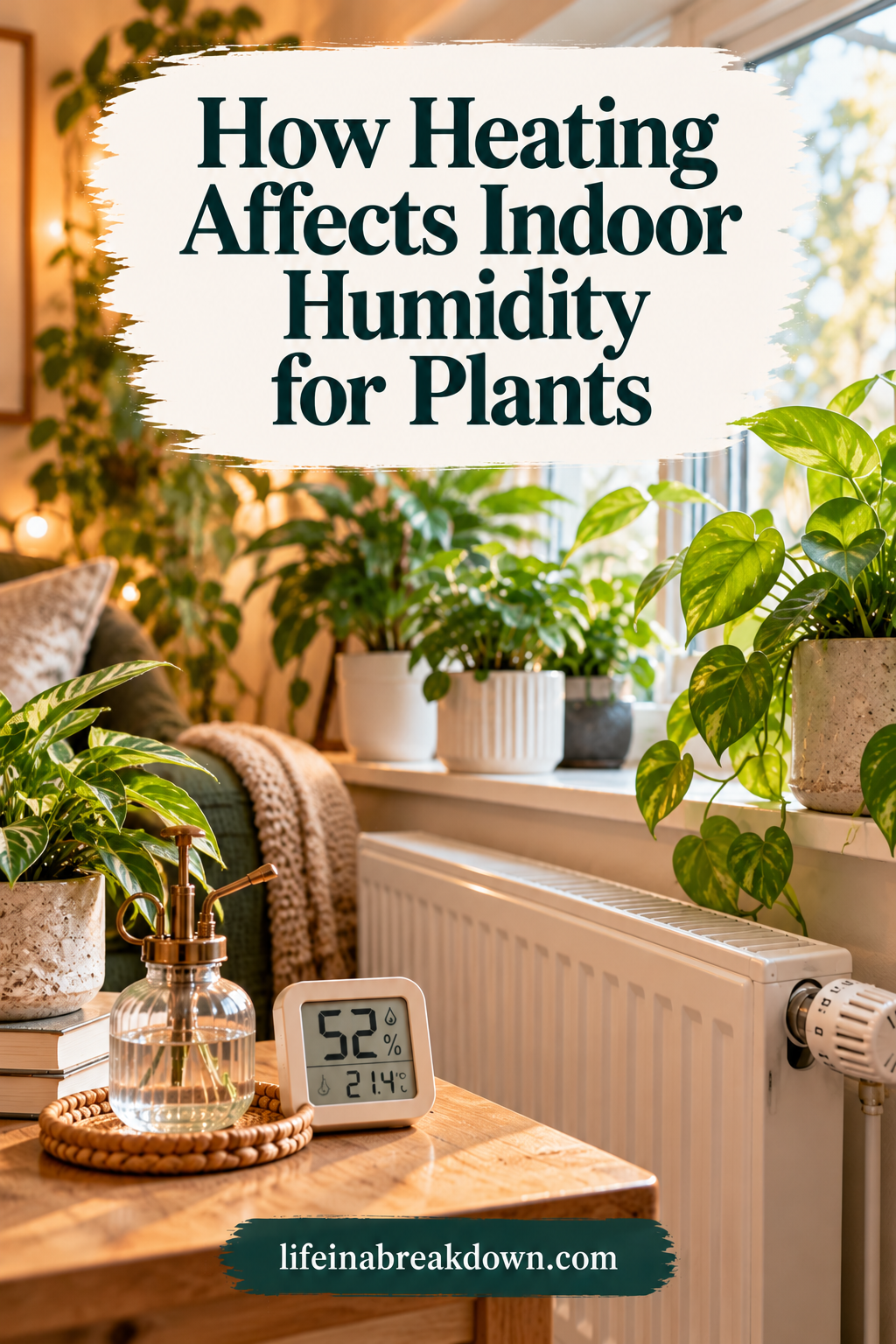
How Heating Affects Indoor Humidity for Plants
Every houseplant owner knows their watering schedule and which window gets the best light. Humidity barely comes up. Once your heating clicks on in autumn, though, the relative humidity inside your home can drop from a comfortable 40–60% all the way down to 20–30% within days, and that’s drier than most deserts. Ferns and calatheas will notice long before you do, and if you don’t know the warning signs, you’ll lose leaves before you even realise something’s wrong.
What Happens to the Air When You Turn the Heating On

When your boiler fires up and the room gets warmer, relative humidity falls because warm air can hold more moisture than cool air. Nothing’s actually got wetter or drier. The air just has more room for moisture now, so the percentage reading will drop even though the actual water vapour in the room hasn’t changed at all.
Radiators will create hot, dry zones right around the unit, and any plant on a nearby shelf or windowsill will suffer for it. Underfloor heating is gentler. It’ll spread warmth more evenly, but it’ll still pull humidity down across the whole room, and forced-air systems in newer builds tend to be the worst because they push dry, heated air through every part of the house.
Old boilers will make this worse. If your system cycles on and off too often or runs hotter than it needs to, it’ll dry out the air faster than a well-tuned setup would. Modern condensing boilers spread heat more evenly, which helps keep humidity more consistent across the house. If yours is due for a replacement, look for fixed-price quotes through reputable British suppliers like iHeat. Any site you’re comparing boilers on should give you the full installation cost upfront, energy efficiency rating and warranty length clearly. Still, keep in mind that a newer boiler won’t fix humidity on its own, so the tips further down still matter.
Which Plants Struggle Most in Dry Rooms
Calatheas, ferns, marantas and anthuriums all come from places where humidity stays above 60% year-round, so they’re the first to suffer when your home dips below 30%. Browning edges and crispy patches will appear. You can water them more, but that won’t help because the problem is the air around the leaves, and these plants need consistent ambient moisture to stay healthy.
Dry conditions don’t bother succulents and cacti. They’re made for it, so heating season is a non-issue for them, but if your collection leans towards tropicals, you’ll want a solid winter plan in place.
Simple Fixes That Actually Work

You don’t need to invest in an expensive humidifier to keep your plants happy through winter, although they do help if the budget allows, and most of the best fixes cost next to nothing. A few things that actually work:
- Group your plants together. They’ll release moisture through their leaves, and clustering them creates a small humid microclimate around the group.
- Use pebble trays. Fill a shallow tray with pebbles and water, then place the pot on top so the evaporating water raises humidity right where the plant needs it.
- Move plants away from radiators. Even a metre of distance can make a noticeable difference to leaf health, so don’t leave them baking next to a hot unit.
- Drop your thermostat overnight. Lowering the temperature by a degree or two won’t just save energy; it’ll slow down how fast the air dries out while you sleep.
Make Your Home Healthier for You and Your Plants
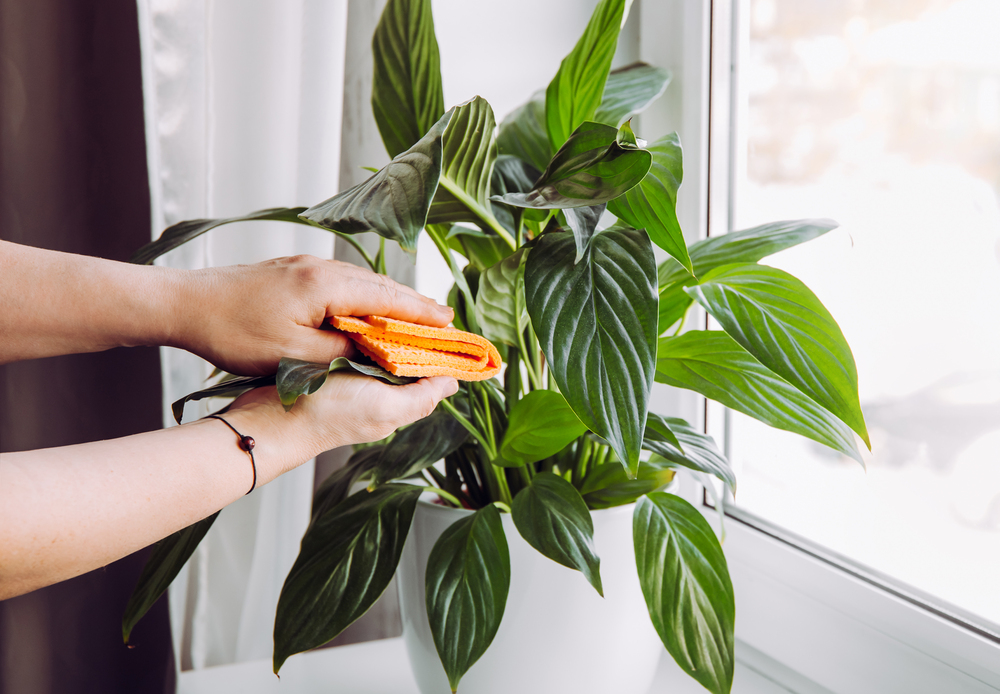
Beyond your plants, dry winter air takes a toll on you as well. It dries out skin, irritates throats, and makes every cold that passes through the house linger longer than it should. Keeping indoor humidity between 40% and 60% will benefit everyone under the roof, and a cheap hygrometer from Amazon will tell you exactly where your rooms sit so you’re not guessing.
Most people don’t connect their winter plant losses to heating at all. They assume they overwatered them, or that the plant just gave up, and they replace it in spring without changing anything about the room it’ll live in. Once you start tracking humidity alongside light and water, the pattern becomes obvious. The same calathea that thrived from May to September didn’t suddenly forget how to grow. The air around it changed, and nobody told it was coming.
Pin It!