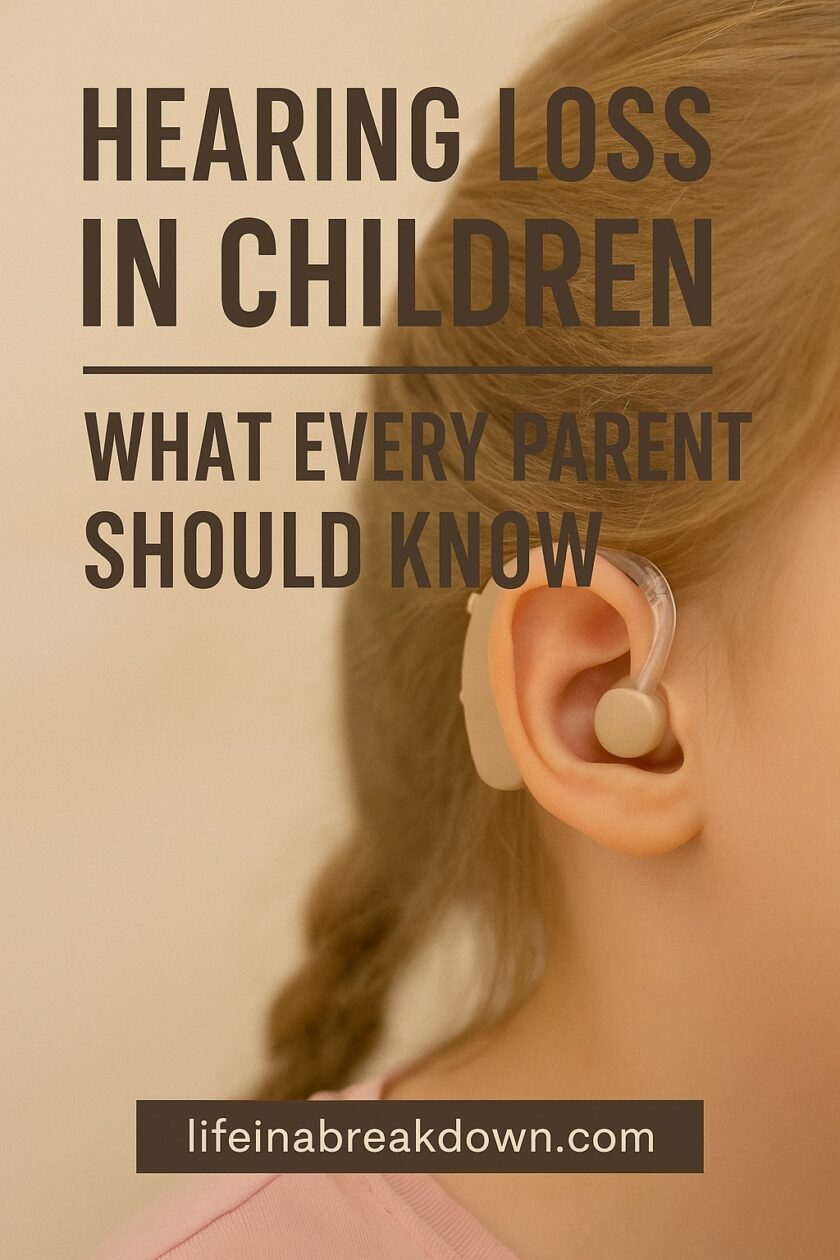
Hearing Loss in Children – What Every Parent Should Know
AD
Hearing loss in children is more common than many parents realise, but with the right knowledge and early support, most cases can be effectively managed. In this guide, created by K&M Hearing Solutions, we’ll explain how hearing problems present in young children, what might be causing them, and what treatments are available to help your child stay connected and confident.
How Common Is Hearing Loss in Children?

According to UK government statistics, around 50,000 children live with some form of hearing loss in one or both ears. That’s about 1 to 2 in every 1,000 babies born with hearing difficulties and many more children may experience temporary hearing loss during early childhood. Early intervention can make a significant difference to your child’s development, so knowing the signs and taking quick action is crucial.
Temporary Hearing Loss in Children
Not all hearing loss is permanent. Many children experience temporary hearing problems, especially due to:
- Earwax build-up
- Middle ear infections (otitis media)
- Fluid behind the eardrum (glue ear)
These issues often resolve with treatment and do not cause lasting damage but they can impact speech, language, and learning if left untreated. That’s why regular hearing checks and medical attention for ear infections are vital in early childhood.
Signs of Hearing Loss at Different Ages
Depending on your child’s age, hearing loss can show up in different ways. Below are signs to watch for:
Babies (0–12 months):
- Doesn’t react to loud noises
- Doesn’t turn towards voices or familiar sounds
Toddlers (1–4 years):
- Delayed speech development
- Doesn’t follow simple instructions
- Doesn’t respond to their name
Children 5 and up:
- Regularly asks “What?” or “Pardon?”
- Turns up the volume on devices
- Speaks loudly or struggles with pronunciation
- Falls behind in school or seems distracted
If you’re noticing any of these symptoms, it’s best to book a hearing test with a qualified audiologist. At K&M Hearing Solutions, our clinicians are fully qualified and insured to treat children aged 5 and above.
What Causes Hearing Loss in Children?

There are many reasons a child may develop hearing loss. Some are temporary, while others may be permanent or progressive. The main causes include:
1. Genetics
Some forms of hearing loss are inherited, such as those linked to genetic conditions like Usher syndrome or Pendred syndrome.
2. Environmental Exposure
Loud noises (even through headphones), untreated ear trauma, or head injuries can all contribute to childhood hearing loss.
3. Illness and Infections
Childhood illnesses like measles, mumps, rubella, or repeated ear infections can damage hearing structures. Chronic conditions like glue ear may also cause fluctuating hearing levels if untreated.
Treatment Options for Children with Hearing Loss
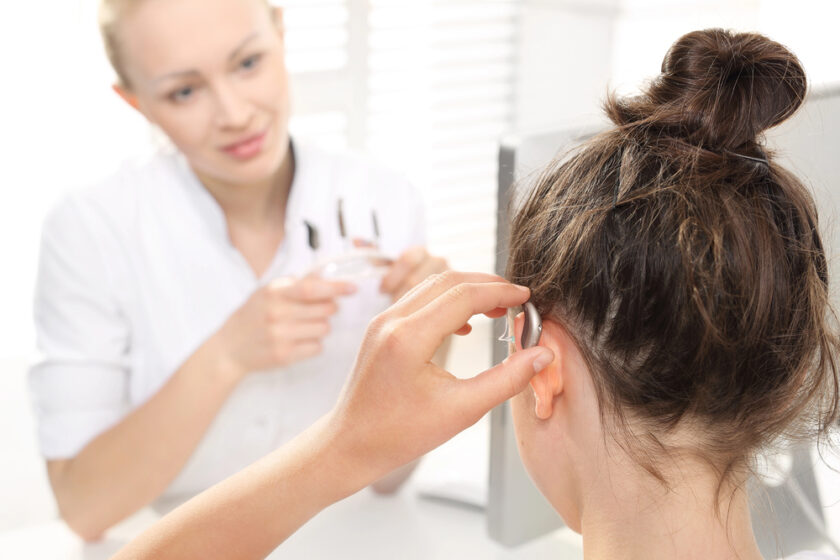
The best treatment depends on your child’s individual diagnosis, but many options are available and outcomes are often excellent.
Hearing Aids
These amplify sound and are suitable for many children with mild to moderate hearing loss.
Cochlear Implants
For children with severe or profound hearing loss, cochlear implants may be recommended if hearing aids are not effective.
Medication
Ear infections or inflammation can often be resolved with prescribed medication, restoring normal hearing.
Surgery
In some cases, surgery can address structural problems or insert tubes to relieve middle ear fluid.
Speech and Language Therapy If hearing loss has delayed language development, therapy can help children catch up and improve communication.
Assistive Listening Devices
Devices such as FM systems can help children hear clearly in noisy environments like classrooms.
Final Thoughts: Early Action Makes a Big Difference
If you suspect your child may be struggling with their hearing, seeking support early is key. Prompt assessment can reduce the impact on their speech, learning, and social development and in many cases, treatment can significantly improve their quality of life. For guidance, speak to your GP or a qualified audiologist in your area. Many hearing clinics offer child-friendly services, and your local NHS or private provider can help you explore the next steps.
Pin It!