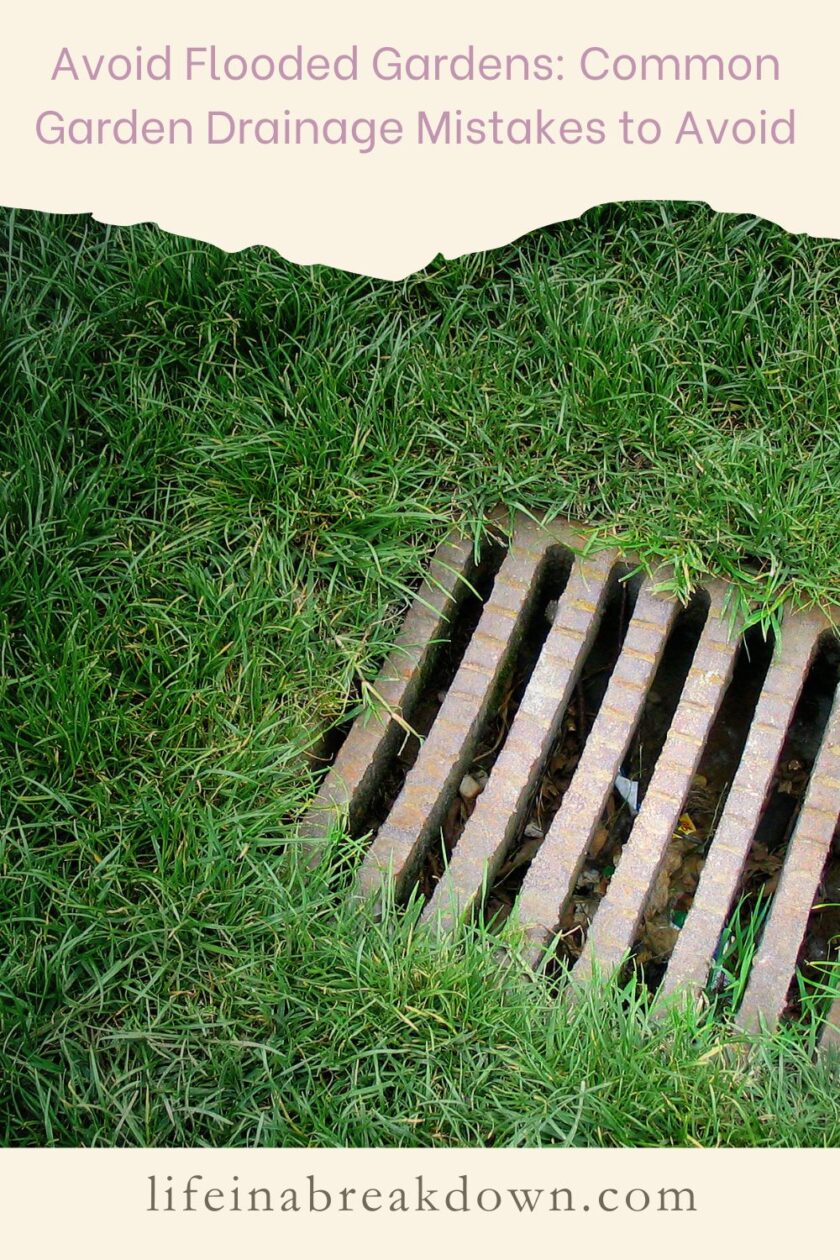
Avoid Flooded Gardens: Common Garden Drainage Mistakes to Avoid
Dealing with a flooded garden is more than just a frustrating inconvenience—it’s something that can lead to damage and expensive fixes if you’re not careful. Whether it’s caused by heavy rains or poor planning, drainage issues can turn your garden into a swamp. Here’s where things get tricky: it’s not just about how water flows, it’s about making sure you avoid the common pitfalls that often get overlooked. Before you start grabbing your shovel, let’s chat about what you need to know, and why sometimes leaving this to the pros might save you from bigger headaches.
Overlooking the Importance of Slope

When it comes to garden drainage, slope is everything. Water, like anything else, takes the path of least resistance. If your garden isn’t sloped correctly, that path may lead straight into your foundation or your favourite flower bed.
Common mistake: Many homeowners make the error of assuming their garden’s slope is naturally good enough to handle heavy rainfall. Unfortunately, this isn’t always the case.
What to do instead: It’s crucial to have at least a 2% slope away from your home to ensure proper water flow. If you’re unsure about the slope, this is one of those situations where hiring a professional to assess your garden’s grading can prevent future flooding.
DIY vs. Hiring Professionals
When it comes to adjusting the slope of your garden, DIY enthusiasts may feel tempted to take matters into their own hands. However, grading and drainage systems require a deep understanding of how water behaves. One small mistake can lead to disastrous results. A professional offering a drain survey will not only ensure the correct slope but will also consider the surrounding landscape.
Ignoring Gutters and Downspouts
Your gutters and downspouts play a huge role in directing water away from your garden. If they’re clogged, misaligned, or too short, you’re just inviting water to pool near your foundation or lawn.
Common mistake: Many people forget to extend downspouts far enough away from the house, leading to flooding near the foundation or a saturated garden.
What to do instead: Ensure your gutters are clean, and functional, and extend at least 5 to 10 feet away from your home. And once again, professionals come in handy here. They know how to position and extend downspouts so that water gets directed far from trouble zones.
Forgetting to Install a Drainage System
You might be thinking, “My garden seems fine, why would I need a drainage system?” But here’s the thing: many homeowners underestimate just how much water a heavy storm can dump on their property. Without a proper drainage system, you could end up with a yard that resembles a small lake.
Common mistake: Relying solely on natural drainage without considering French drains, catch basins, or other engineered solutions.
What to do instead: Consider installing a French drain or catch basin to handle excess water. While these systems might sound like fancy terms, they’re designed to manage water and keep it moving away from your garden. Again, these are best left to professionals who can assess the best solution for your specific landscape.
The Value of French Drains
French drains are especially useful if your garden has areas where water tends to sit and stagnate. They use a perforated pipe system to move water away from areas where it might otherwise pool. It’s not a job you want to rush into if you’ve never worked with drainage systems before—this is where the pros come in to make sure it’s done right.
Underestimating the Role of Soil

Not all soil is created equal when it comes to garden drainage. Sandy soil allows water to flow freely, while clay-heavy soil acts like a sponge, holding onto water and making drainage a nightmare.
Common mistake: Overlooking the type of soil you have when planning for drainage.
What to do instead: If you have heavy, clay-based soil, you might need to amend it with sand or organic matter to improve water flow. For larger projects or when you’re unsure of your soil type, it’s a smart move to call in a landscaping expert who can guide you toward the best solution.
Placing Hardscaping in the Wrong Spots
Hardscaping features, like patios, walkways, and driveways, can unintentionally block water flow if placed in the wrong areas or without proper drainage considerations.
Common mistake: Failing to plan for drainage when adding hardscaping elements, causing water to pool around them and create bigger problems.
What to do instead: Always plan for where the water will go when installing hardscaping. Water should flow freely around these structures, not get trapped by them. Working with a pro during the planning stages ensures you don’t end up with a flooded patio or walkway.
Permeable Paving Options
One way to prevent hardscaping from messing with your drainage is by choosing permeable paving materials. These allow water to seep through the surface rather than run off and cause flooding. A professional can help you choose the right materials that blend both style and functionality.
Failing to Maintain Your Drainage System
Let’s say you already have a drainage system in place, great! But remember, it won’t do its job properly if it’s not maintained. Over time, leaves, dirt, and debris can clog up drains, rendering them useless.
Common mistake: Neglecting regular cleaning and maintenance of your drainage systems.
What to do instead: Make it a habit to check your drains, gutters, and downspouts regularly, especially before the rainy season. If you’re unsure how to maintain them, hiring a pro for seasonal inspections and cleanouts can save you from major issues later.
Don’t Let Garden Drainage Become a DIY Disaster
When it comes down to it, garden drainage is one of those tasks that might seem simple on the surface but can spiral into a costly mess if not done correctly. Sure, small fixes like cleaning out gutters or extending a downspout might be manageable, but anything involving grading, hardscaping, or installing drainage systems is best left to professionals.
Hiring an expert not only ensures the job is done right but also gives you peace of mind. Avoiding common mistakes is key to keeping your garden dry, functional, and ready to handle whatever nature throws at it.
Pin It!