Sustainable Living: Choosing Items with Longevity
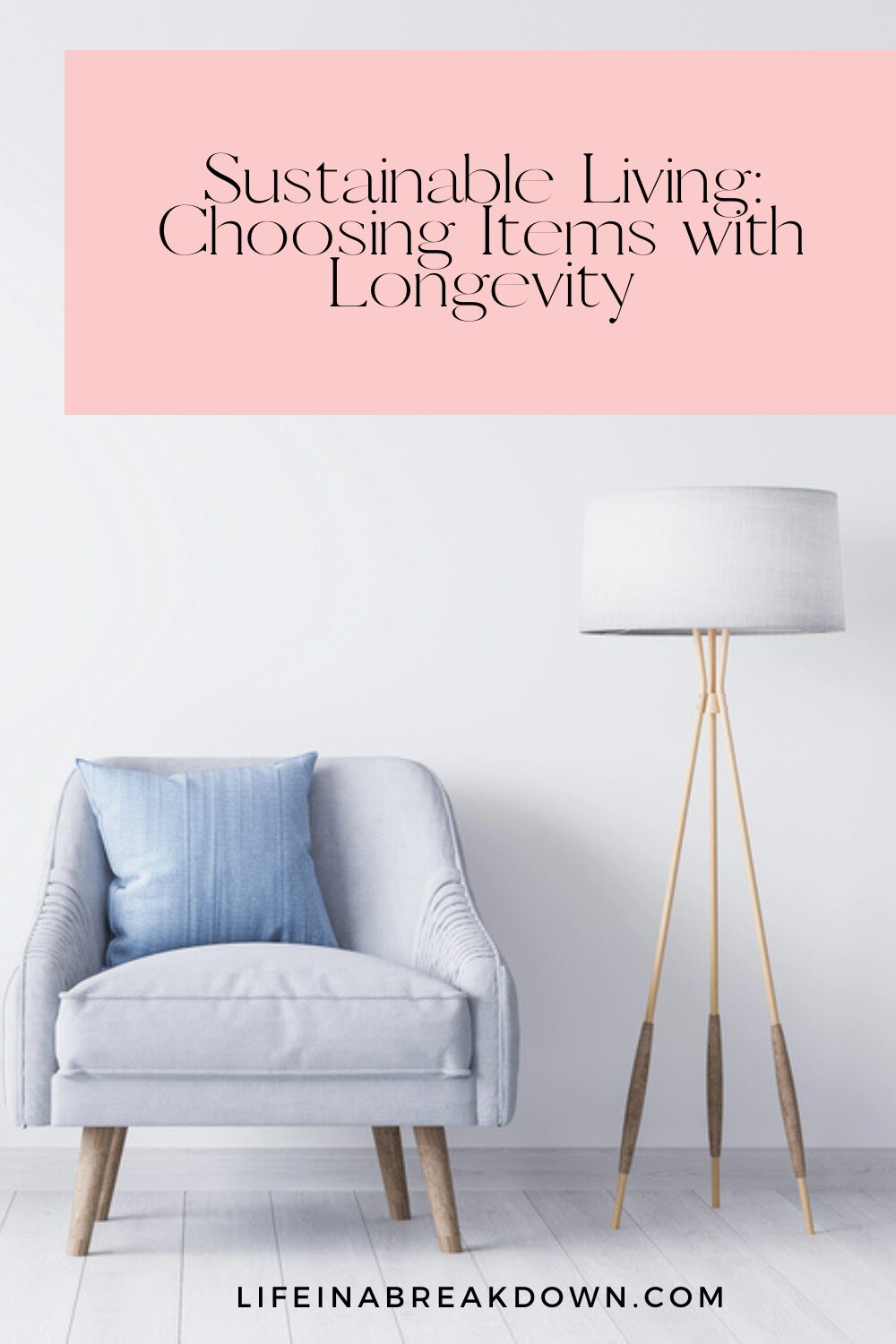
It’s easy to get sucked into the world of trendy, cheap home decor. You know, a quick trip to a big-box store and suddenly your living room looks brand new for what seems like a steal. But let’s be real, how long do those things actually last? This whole cycle of buying, breaking, and replacing stuff isn’t just hard on your wallet; it’s tough on the planet too. When we start thinking about buying things that are built to last, we’re making a big step towards a home that’s both sustainable and beautiful.
The Impact of Fast Furniture

You’ve probably heard of “fast fashion,” right? Well, there’s a home decor version called “fast furniture.” It’s pretty much the same idea: trendy, mass-produced items made from cheap materials that aren’t meant to stick around. Understanding the impacts of fast furniture is the first step to changing things up. These pieces often use stuff like particleboard, plastics, and thin veneers that chip, warp, or just fall apart easily. When they inevitably break, fixing them is a nightmare, so they usually just end up in a landfill. All this constant turnover leads to deforestation, pollution from factories, and a ton of waste.
Benefits of Long-Lasting Purchases
Picking out well-made items instead of throwaway ones comes with some awesome perks. Sure, you might pay a bit more upfront, but you’ll save money in the long run because you won’t be constantly replacing things. Think about it: a solid wood table can last for generations, while a particleboard one might not even make it through one move. There’s also something really satisfying about owning something with a bit of history and character. These kinds of pieces truly make a house feel like a home, showing off your personal style instead of just whatever’s popular right now. Plus, by buying less, you’re doing your part for the environment, which is a win for everyone.
Discovering Durable Home Goods
So, how do you find these awesome, durable treasures? It’s all about learning to spot good quality. Look for things made from solid wood, strong joints, and natural materials like metal, stone, and leather. Don’t be shy about picking something up to feel its weight; heavier items usually mean they’re more substantial. One of the best ways to find things that are already built to last is to check out the world of vintage furniture, where good craftsmanship was always a top priority. These pieces have already proven their quality by standing the test of time. You can often find unique, long-lasting items at thrift stores, antique shops, and estate sales.
Repair and Reuse Culture

Living a more sustainable life also means switching from thinking “replace it” to “fix it.” Before you toss out that wobbly chair or scuffed dresser, see if you can give it a little TLC. A bit of wood glue, a fresh coat of paint, or some new hardware can totally bring an old item back to life. Learning some basic repair skills is empowering and can save you a bunch of money. This approach is a big part of sustainable furniture shopping and really helps you appreciate what you already have. When you put effort into taking care of your stuff, you actually feel more connected to it.
Small Changes, Big Impact
You don’t have to completely transform your home overnight to be more sustainable. It’s not about getting rid of everything and starting fresh. Instead, just begin with small steps. The next time you need a new piece of furniture, take a moment to think about how long it will really last. Could you find a used version? Or maybe invest in a higher-quality piece that you’ll genuinely love for years? Every thoughtful choice you make, no matter how small, helps create a more sustainable future and a home full of things you truly value.
Choosing lasting quality over fleeting trends is a simple but powerful shift. It leads to a home that’s not only more stylish and personal but also kinder to our planet and our wallets.
Pin It!