Organic on a Budget: Tips and Tricks to Save While Going Green
Yes, organic food sounds great. It’s safe, fresh, and doesn’t use insecticides. It’s also good for the environment. But it can be expensive. You might feel downhearted if you can’t afford it. But don’t worry, there are ways to be eco-friendly and healthy on a budget.
Grow Your Own Green Goodness:

Your first thought might have been “that’s too hard!” But you can definitely do it! Start with a small pot and at least one herb like basil, mint, or rosemary. Then, you can use fresh herbs in your meals without spending extra money. Once you get the hang of it, you can grow cherry tomatoes, peppers, or even more herbs. The joy of becoming your own food grower is wonderful. Plus, gardening saves you some money. On top of that, gardening connects you closer to nature.
Smart Shopping, Big Savings.
Planning meals is the best way to prepare your food, this ensures you only buy what you need and nothing goes to waste. Check the organic fruits and vegetables, especially at your local organic food store. Some stores have bonus categories and prizes with certain organic plans. Many discount stores have sections with slightly imperfect fruits and veggies. These often taste just as good as the perfect ones. Why not get those instead?
Embrace the Power of Frozen and Canned:

Great sources of healthy foods are frozen and canned fruits and vegetables. Quick freezing at pick time makes them as good in nutrients as fresh. Canned beans are a great protein source for those on a tight budget. Frozen berries can make your smoothie healthier. They’re also useful when needed later, creating less food waste and saving money.
Think Local, Think Seasonal
Forget about buying fruits from faraway places. Instead, enjoy the local seasonal fruits. This will be cheaper. Visit the local farmers’ markets. You can talk to the farmers and learn about their sustainable practices. This way, you’ll appreciate the seasonal delights of your area.
Prioritise Your Purchases:
Alright, so buying organic can get pricey, right? No worries, you don’t have to go full-on organic. There’s this list called the ‘Dirty Dozen’ – it’s basically the fruits and veggies with the most use of pesticides on them. Think apples, strawberries, that kinda stuff. If you can swing it, grab the organic versions of those. But for things like bananas, avocados, and corn, are usually fine. Less of that icky stuff on them.
The Beauty of Bulk (But Be Mindful!):

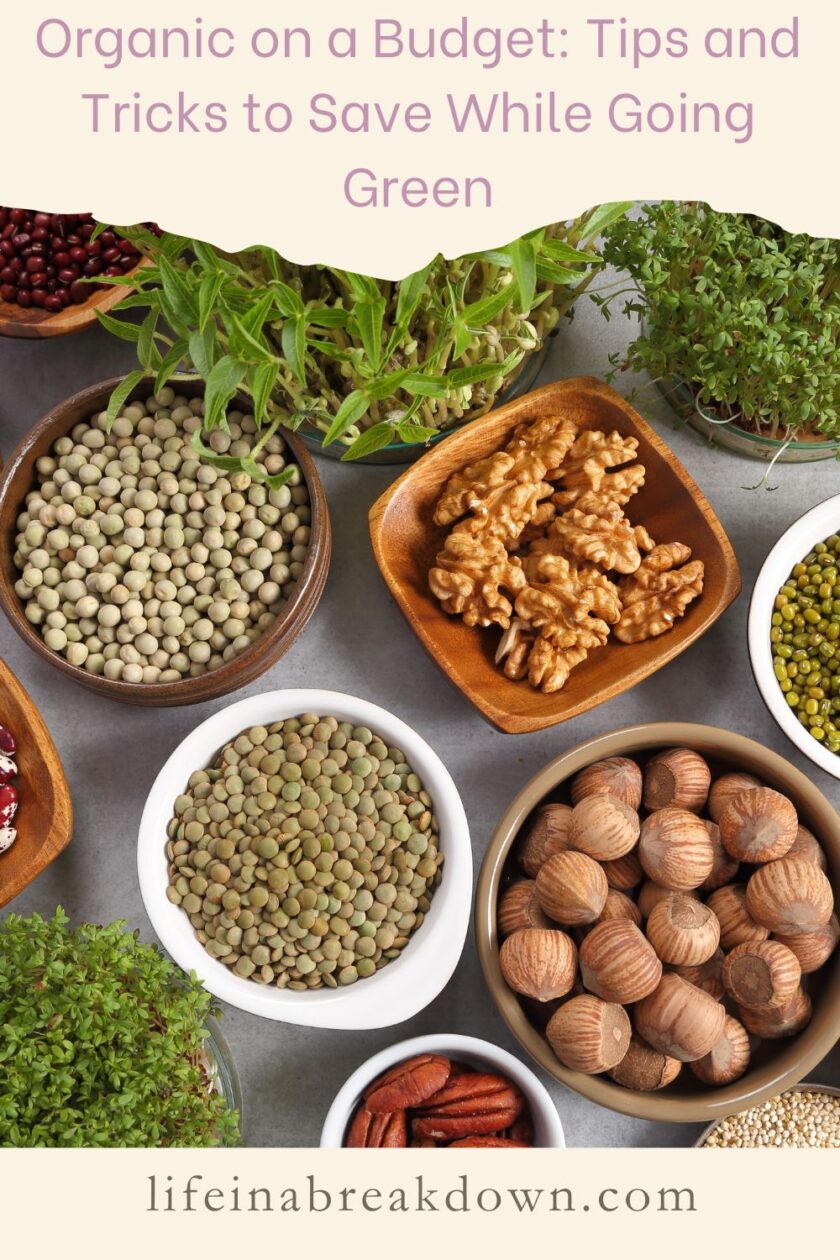
Bulk buying can help with eating organic on a budget, however, you know yourself best. This could cause you to buy things you don’t really need, such as chocolate. Choose dried foods such as rice, beans, and nuts. They last long and can be used in various ways.
The Power of Reusable:
Don’t throw away single-use plastic. Use reusable shopping bags, produce bags, and water bottles instead. This will save you money since they are now free. It will also help reduce your carbon footprint.
Secondhand is the New Black (or Green):
Instead of buying expensive organic clothes, try used clothes from a charity shop. You may find designer clothes there if you look closely. This helps the environment by reusing clothes and reducing demand.
It is hard to buy organic food on a budget. But with planning, you can afford it. Even if it means buying less, you can still eat well and save money. Small steps can make a big difference. Bring a cloth bag to the market. This helps the environment and saves money. Every little thing counts when living sustainably.
Pin It!






Frozen veg is a lot cheaper and actually some of it tastes good so I do buy it most of the time.