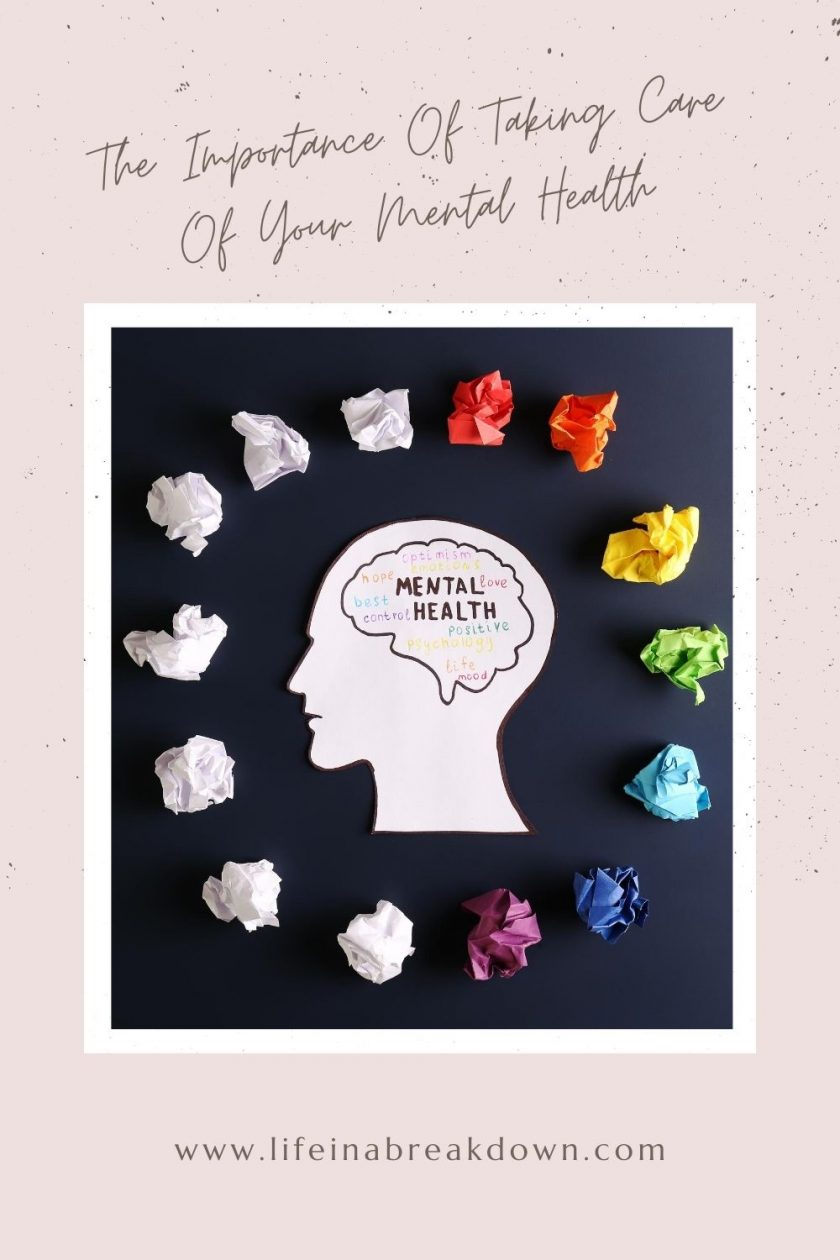
The Importance Of Taking Care Of Your Mental Health
Mental health is as important as physical health, and it’s vital to living a normal, healthy, and fulfilling life. Unfortunately, most people experience mental health issues, and it impacts how they feel, act, and think.
According to a report, one in about five Americans experiences mental health issues. This is a sign that we should take better care of our mental health.
Read on to find out more about why taking care of your mental health is essential.
What’s Mental Health?
To fully comprehend the need for a healthy mental state, you must first understand what mental health is. Mental health involves emotional, social, and psychological wellness. It influences how you act, think, and feel. Your mental health also affects the way you relate to others, the kind of decisions and choices you make, and how you handle stress.
Mental health is important at every stage in life, from childhood to adulthood. This is because mental health issues can happen at any of these stages, and can be triggered by several factors. These include, but are not limited to traumatic life experiences, abuse, family history of mental health issues, and biological factors, such as brain chemistry.
Although the consequences of mental health problems can be monumental, the good news is that help is available and very accessible. Thanks to advances in technology and healthcare, mental issues can now be managed, although full recovery might not be certain. If you are worried you are struggling with your mental health there are tests you can take online such as this depression test, however, always make sure you visit your GP as well.
Reasons You Should Take Care Of Your Mental Health.

Leads To Healthier Relationships
The type of relationship you have with yourself, which includes how you treat and what you think about yourself, influences the type of relationships you develop and attract with other people.
If you see yourself poorly, the chances that you’ll find people who’ll treat you better are slim. This is because people can often perceive low self-worth and low self-esteem issues, which are often the result of mental health issues. Taking care of your mental health can help you realise how important you are and help you treat yourself better. It’ll also help you set parameters for healthy relationships and stop you from taking less than you deserve.
Aside from that, it also helps you stay away from toxic people. Knowing that your mental health is important, you can set boundaries and choose to cultivate healthier relationships.
People who are experiencing mental health issues usually need help to come to this realization. The best way to arrive at this stage is to get proper counselling that can help you take better care of your mental health.
Better Physical Health
Most people focus on their physical health while neglecting their mental health. What they don’t realise is that mental health inadvertently affects physical wellness. While eating right and keeping fit mostly keeps you physically healthy, taking care of your mental well-being keeps your mind healthy.
The interconnection between physical and mental health is so intriguing that scientists have discovered that mental health issues often manifest as physical symptoms. For instance, patients with poor mental health may often exhibit physical symptoms, like fatigue, lack of energy, insomnia, and back and neck pains.
Also, according to the Canadian Mental Health Association, patients with poor mental health are more likely to develop chronic physical conditions than those in a good mental state. Moreover, your mind and body need to be at their best to thrive in all aspects. This is why taking care of your mental health is so important.
Besides acknowledging when you need support, finding a mental health counselor who aligns with your needs is crucial. They can offer personalised guidance and strategies for maintaining your mental well-being.
Besides, someone who’s mentally healthy would be in a better position to make healthier choices that are beneficial to their physical health than those with mental health issues.
Better Quality Of Life
Since anxiety and stress can affect anyone, the most important thing is to learn how to manage them. Chronic stress can cause fatigue, heart attacks, migraines, and even trigger a mental breakdown.
Learning how to manage stress can reduce the risks of developing mental health issues and improve physical well-being, which helps you live better and longer. It also helps you better manage stressful situations and make good decisions when under pressure. This is even more important, especially now that the world is facing a pandemic. Knowing how to protect your mental health during the Coronavirus pandemic can significantly improve your mental and emotional well-being.
There are different treatment options available for people suffering from mental health issues. These include therapy, virtual counselling, meditation, and something as simple as keeping a journal. Whatever method you choose, don’t forget to involve professional help since they’re in a better position to diagnose and offer the best treatment option properly.
Promote Better Performance At Work
It’s common to encounter mental health issues in the workplace. The pressure, stress, and demands of some working environments can trigger a mental breakdown even in the most resilient people.
A study reveals that five out of ten cases of work disability are related to mental issues. This is in addition to the loss of 200 million workdays annually due to mental health issues, like depression and chronic stress. This means that neglecting your mental health can hinder your progress at work, and eventually make you unemployable.
On the other hand, being in good mental state promotes productivity and increases performance at work. When you have good mental health, you can achieve goals faster and have a more fulfilling career.
Mental Health Issues Are A Prevalent Condition
Mental health issues are so common that most people will experience poor mental health at one point in their life. Even if you’re yet to experience any mental deterioration, it’s most likely that you know someone who has faced it or is currently facing a mental health problem.
Many Mental health disorders are much more common than you think. Some people might be suffering from issues with their mental health without even being aware of it. It is worth being aware of symptoms around different mental illnesses that might affect you. For instance, these are borderline personality disorder symptoms. This way, you will be able to seek the right help for yourself.
Statistics say that one out of five people in the United States will experience mental illnesses at a particular point. Not only that, about 1 out of 25 adults have a serious mental illness. This means that in the United States alone, about 10.2 million adults have a recurring mental health issue.
Considering the prevalence of mental health illness and to prevent mental deterioration, experts suggest a preventative approach, which is to keep people who are mentally healthy in a healthy state.
By taking care of your mental health, you reduce the chances of getting mentally ill. This means that you don’t need to wait to be mentally ill before taking care of your mental health. Start now by getting a mental health provider or a therapist that can help you understand how to take care of your mental wellbeing.
Signs Of Poor Mental Health.

Knowing what signs to look out for when dealing with mental health issues can help you get ahead of the situation before it deteriorates.
Some of the common early signs to look out for are the following:
- Fatigue
- Lack of concentration
- Lack of energy
- Insomnia
- Depression and mood swings
- Aggressive behaviour
- Feeling overwhelmed by little things
- Easily distracted
- Losing interest in activities and social interactions.
Although these are some of the early symptoms of poor mental health, it might not mean that everyone who exhibits these symptoms are already mentally ill. It’s advisable to always consult your doctor or therapist for proper diagnosis.
How To Promote Better Mental Health
Find Better Ways To Manage Stress
As mentioned earlier, stress is inevitable, but understanding your triggers and how to avoid or cope with them can help you manage stress in healthier ways. Seeing a therapist can also help you come up with better coping mechanisms.
In addition to that, you can try making a list of your worries and responsibilities, and taking them on one by one instead of allowing everything to overwhelm you. There’s always the tendency to run away from your problems when it becomes too overwhelming. Instead of choosing this route, try addressing the issues head-on and seek professional help if you need one. Taking the best supplement for stress relief can also support your body’s ability to manage stress more effectively and help you feel more balanced during tough times.
Eat And Sleep Well
Eating right and getting adequate sleep can improve your mental health and also reduce the chances of developing mental illness. Getting enough sleep ensures that your brain isn’t overworked or stressed. Further, eating a balanced diet ensures that your mind and body has all it needs to optimally function. It can be difficult to manage a healthy eating and sleep schedule if you are an older person. Neglecting this can have a negative impact on your mental health. One solution to help establish a better routine would be to move into a trusted assisted living community where your needs can be met. You will have freshly cooked nutritious meals provided for you and might find it easier to get into a sleep schedule.
Engage In Exercises And Healthy Activities
Regular exercises help keep both your mind and body healthy and active. Engaging in activities that keep you active not only gives a sense of fulfilment, but it also improves your mood. Besides, routine exercises help eliminates stress, fatigue, low-level energy, and headaches.
Thankfully, you don’t need to do back-breaking exercises to stay active. Taking a simple walk or doing an activity you enjoy can help your mind and body stay active and prevent mental health deterioration.
Don’t Neglect Social Interactions
The power of social interactions in maintaining mental health can’t be stressed enough. Having a good support system can be handy during trying times and will also boost your self-esteem.
Besides, socialising and engaging with others can reinforce the idea of your place in the world and also reduce loneliness. Being a part of something or a community helps you know that you matter, which, in turn, helps your mental health.
Seek Help
One of the best ways to take care of your mental health is to ask for help when you need it. Asking for help is not a weakness, but rather a sign of courage and strength instead of living in denial or living under the crumbling weight of depression.
Moreover, the ability to recognize when to seek help can keep you ahead of the situation and make treatment more effective.
Closing Thoughts
Mental health awareness is coming to the forefront of wellness discussions, which is a welcome development. However, as more people get to understand what mental health is, they also need to understand why it’s important to take care of their mental health.
Taking care of your mental health is vital to maintaining physical health and forming healthy relationships. Besides, good mental health ensures that you have a better work performance and generally live a more fulfilling and healthy life. Find more mental health resources at BetterHelp.
Pin it!