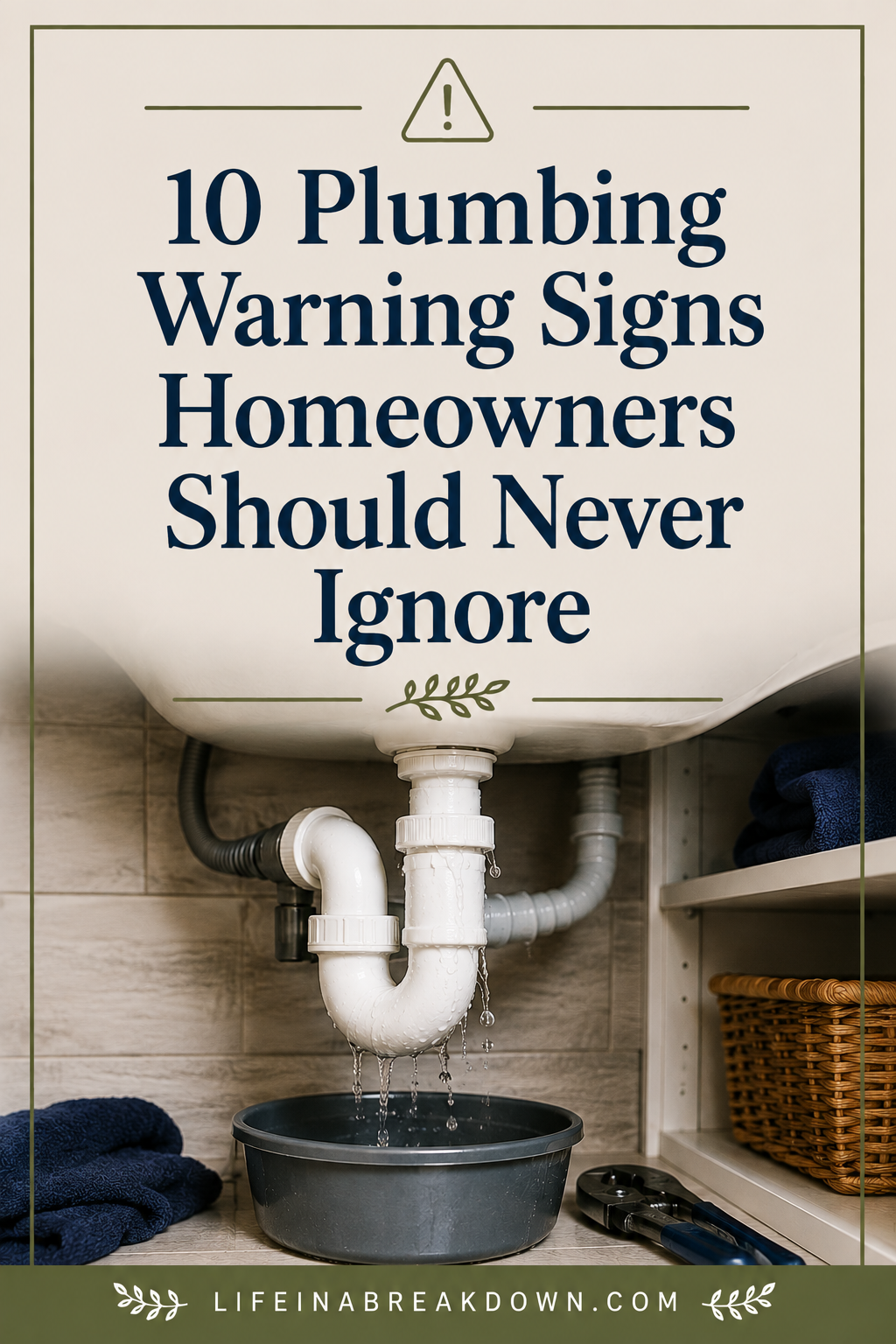
10 Plumbing Warning Signs Homeowners Should Never Ignore
Most plumbing emergencies start with a small clue: a slow drain, a damp cabinet floor, a toilet that occasionally gurgles, or hot water that does not last as long as it should. Paying attention early can help prevent damage to drywall, flooring, belongings, and the home’s structure. When a problem is beyond a simple visual check, a qualified Toms River, NJ plumber can help identify the cause before it becomes a major repair.
Homeowners do not need to diagnose every pipe or take apart every fixture. The goal is to recognise changes, take safe first steps, and know when to stop using water and call for professional help. A regular plumbing routine can also reduce water waste and make household maintenance less stressful.
Why Early Warning Signs Matter

A drip or slow drain may look minor, but water continues moving until the source is repaired. That can mean higher utility bills, mould-friendly moisture, damaged finishes, or an inconvenient backup at the worst possible time. The EPA’s Fix a Leak Week guidance notes that common household leaks can waste significant amounts of water, while simple checks, such as a water meter test or toilet dye test, can reveal problems early.
Hidden Leaks That Are Easy to Miss
Not every leak creates a visible puddle. Check under sinks, behind toilets, around the washing machine, and near the water heater for moisture, corrosion, or mineral deposits. Other warning signs include fresh ceiling stains, peeling paint, bubbling drywall, warped flooring, a musty odour, or mould near plumbing fixtures. If every fixture is off but the water meter still changes, there may be a hidden leak. Moisture alarms and flow-monitoring devices can provide another layer of warning, especially in areas that are not checked often.
Drain Problems That Need Attention
One slow sink or tub may have a local blockage caused by hair, soap residue, or debris. Several slow drains at once are more concerning because they can point to a problem in a shared drain line. Gurgling toilets, water rising in the shower when a nearby toilet flushes, repeated clogs, and sewer-like odours should not be ignored. Avoid repeatedly pouring harsh chemical drain cleaners into a stubborn clog. They may not remove the real obstruction, can damage certain pipes, and create a splash hazard for anyone who later opens the line.
Water Heater Warning Signs
Water heaters often show signs of wear before they fail. Watch for reduced hot-water capacity, rumbling or popping from the tank, rust-colored hot water, corrosion around valves and fittings, or water collecting at the base. Sediment can reduce efficiency, while corrosion and worn components can lead to leaks. A dripping temperature and pressure relief valve also deserves attention. If a tank is leaking rapidly, hot water is reaching electrical equipment, or a gas water heater has an unusual odour, keep clear of the area and arrange prompt professional service.
Possible Sewer Line Problems
A main sewer line problem usually affects more than one fixture. Toilets may bubble when a sink or washing machine drains, wastewater may appear in a shower, tub, or floor drain, and multiple drains may back up together. Strong sewage odours, recurring clogs, and unusually wet or soft areas in the yard can also be warning signs. Stop using sinks, toilets, showers, and water-using appliances if wastewater is backing up. A camera inspection can help locate roots, buildup, cracks, or damaged pipe sections without relying on guesswork.
Sump Pump Checks for Wet Weather
Before heavy rain, remove debris from the sump pit and make sure the pump is upright. Pour enough water into the pit to raise the float and confirm that the pump turns on and sends water through the discharge line. Check the outlet, backup battery, and exterior discharge area as well. Grinding noises, rattling, weak flow, or a pump that runs for a long time can signal trouble. The federal preparedness guidance at Ready.gov also recommends considering a battery-backed sump pump for flood readiness.
What to Do During a Plumbing Emergency
- Turn off the fixture’s nearby shutoff valve if it is safe and accessible.
- Turn off the main water supply if water continues flowing.
- Stop using all plumbing if a sewer backup is suspected.
- Move electronics, furniture, and stored items away from water.
- Do not enter standing water near outlets, appliances, or an electrical panel.
- Take photos for repair and insurance records once the area is safe.
- Call a plumbing professional if the source is unclear or cannot be stopped.
A Simple Monthly Plumbing Checklist

- Look under sinks for drips, rust, or swollen cabinet materials.
- Test toilets with a few drops of food colouring in the tank.
- Inspect washing machine and dishwasher supply hoses for cracks or bulges.
- Check around the water heater for leaks, corrosion, and mineral buildup.
- Clean visible drain strainers before debris moves farther into the pipe.
- Review the water bill for unexplained increases.
- Locate and label the main water shutoff valve.
Common Homeowner Questions
Can a small drip really cause major damage?
Yes. A slow leak inside a wall, beneath flooring, or under a cabinet can quietly damage drywall, insulation, wood, and finishes over time. The smaller the leak, the longer it may go unnoticed.
When is a slow drain an emergency?
A single slow drain is usually not an emergency, but several affected fixtures, sewage odours, gurgling, or wastewater backing into a tub or shower require prompt attention.
What should be done if a water heater starts leaking?
If it is safe, turn off the water supply to the unit and its energy source according to the manufacturer’s instructions. Do not handle electrical connections or stand near hot water. A rapidly leaking tank should be treated as urgent.
Conclusion
Plumbing systems often provide warning signs before a serious failure occurs. Checking for damp spots, unusual sounds, slow drains, and changing water use can help homeowners address small concerns sooner and avoid a costly emergency later.
Pin It!