Why Parquet Flooring Is Far More Practical Than Its Reputation Suggests
Parquet flooring often gets filed away as “beautiful but impractical”. It’s considered too delicate, too formal, and above all, too much effort. It’s usually admired from a distance and ruled out in favour of something that feels easier or more forgiving.
But the reality of it says otherwise. Modern-day parquet has quietly evolved from its traditional beginnings. The materials, finishes, and fitting methods used nowadays have turned it into a genuinely practical option for everyday homes, including busy households and open-plan layouts. Its reputation just hasn’t caught up yet.
Parquet Isn’t One Fragile Material

One of the biggest misconceptions is that parquet flooring is inherently delicate, which can be sensitive to temperature changes. While traditional solid wood parquet still exists, most modern parquet is engineered with layered construction designed to improve stability and durability.
Engineered parquet is designed to cope with changes in temperature, everyday foot traffic, and modern living patterns. It’s far less prone to movement than solid wood and works well in spaces where underfloor heating or fluctuating conditions might otherwise be a concern.
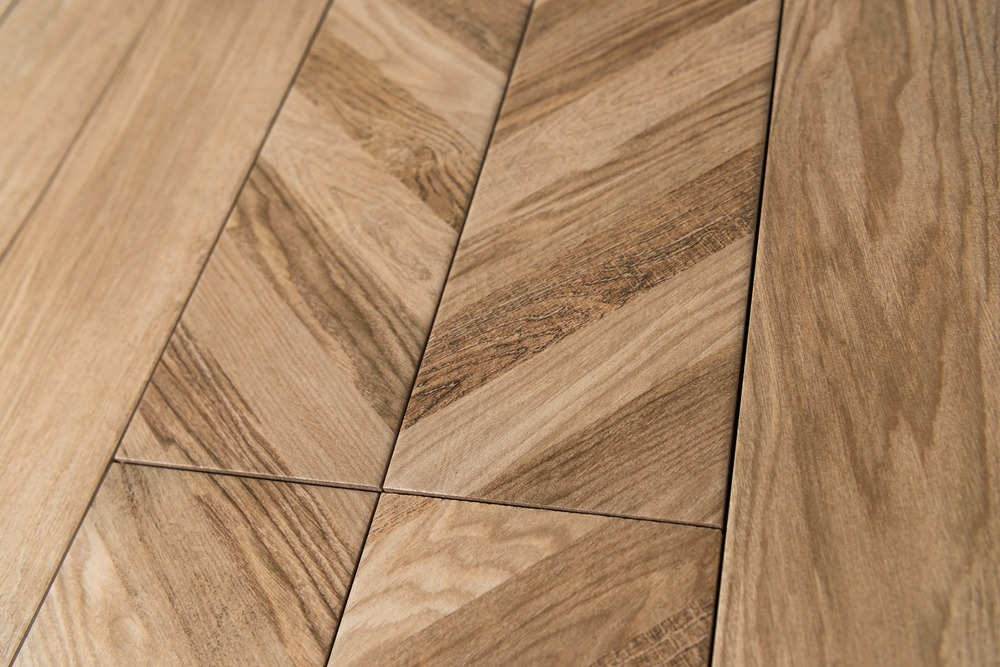
Parquet patterns are also available in hard-wearing materials like luxury vinyl tiles, which adds water-resistance – sometimes even waterproofing and scratch-resistance, all while keeping the visual impact.
Patterns That Hide Wear
Straight plank flooring shows wear in predictable lines. Scratches, dents, and scuffs tend to follow the grain and catch the light more easily. Parquet, by contrast, breaks up visual repetition.
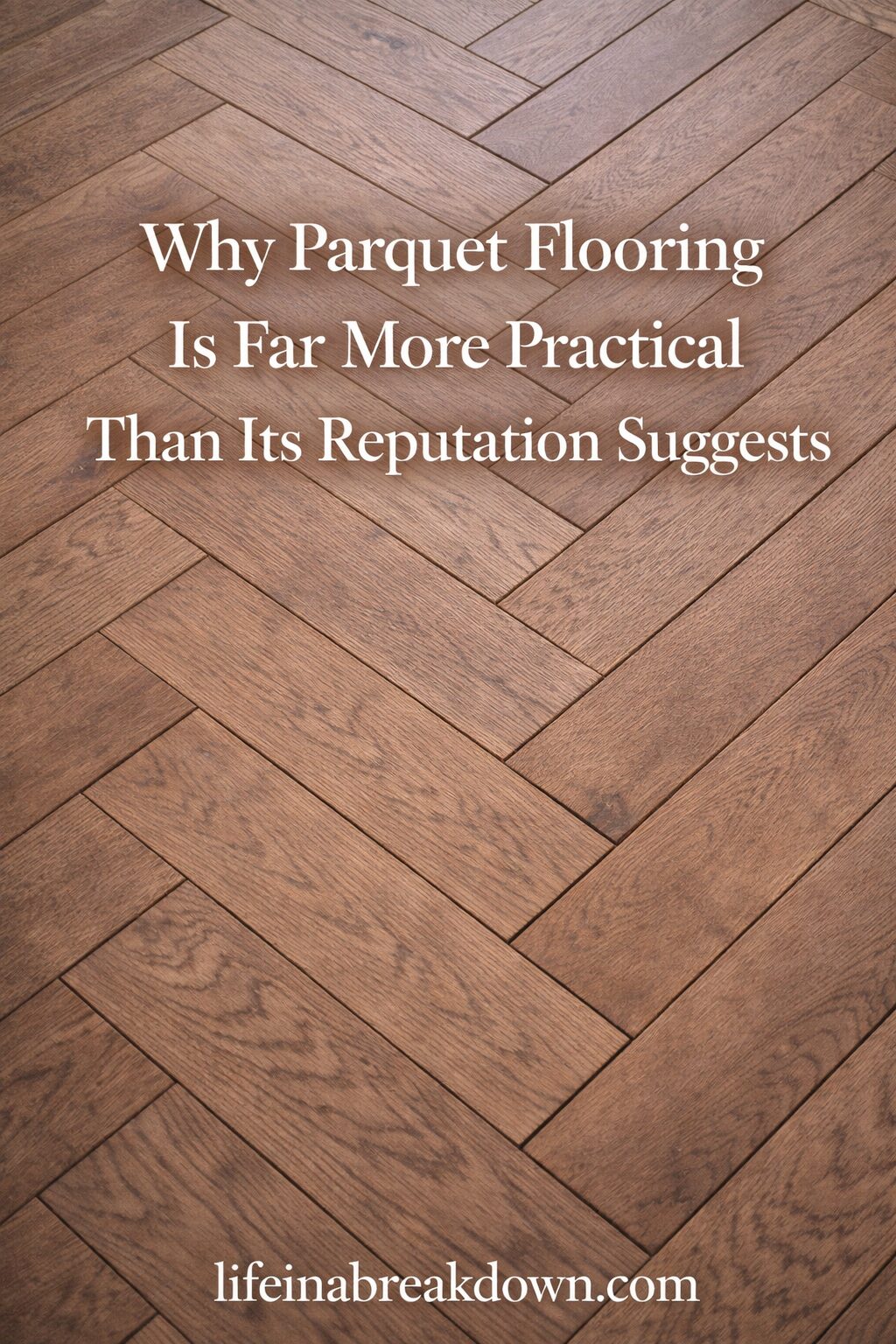
Herringbone and chevron patterns scatter light and movement across the floor, making minor marks far less noticeable over time. The pattern distracts the eye, meaning everyday signs of life blend in rather than stand out.
This makes parquet particularly practical in hallways and entryways as it can handle heavy footfall. A floor that quietly ages often feels more liveable than one that demands perfection.
Modern Finishes Made for Real Life

Older parquet floors were often finished on site with oils or lacquers that needed careful upkeep. Today’s parquet is typically factory-finished with durable coatings designed to protect against daily wear.
Matte lacquers, UV-cured oils, and brushed finishes help resist stains and scratches while keeping a natural look. These finishes also make cleaning nice and easy; regular sweeping and occasional damp mopping are usually enough.
From a practical point of view, parquet no longer requires specialist care routines to look good long-term.
Parquet Works Almost Everywhere
Parquet is often imagined in formal living rooms or period homes, but its structure actually suits a wide range of spaces.
In hallways, the directional pattern helps visually widen narrow layouts. In living rooms, parquet adds warmth and depth without relying on rugs or heavy furniture. In kitchens and dining areas, engineered wood or LVT parquet handles foot traffic far better than its reputation suggests.
Choosing the right material matters, but the format itself isn’t limiting; it’s adaptable.
It Supports Long-Term Design Flexibility
Practical flooring isn’t just about durability; it’s also about longevity in style. Parquet has an inherent timelessness that works across changing interiors.
Neutral oak tones, subtle finishes, and classic patterns sit comfortably with minimalist interiors, traditional and heritage-inspired homes, as well as modern, layered spaces. This is because parquet has visual interest built in, which often allows furniture, walls, and décor to evolve without clashing. This adaptability reduces the pressure to redecorate around the floor later on.
Installation Has Become More Accessible
Another lingering belief is that parquet is difficult or disruptive to install. While it does still require precision, modern installation systems have simplified the process significantly.
Pre-cut blocks, click-fit engineered boards, and improved adhesives reduce time and waste. This makes parquet more achievable in renovations where speed and efficiency matter, and often less complex than assumed.
Once installed, it’s no more demanding to live with than other hard flooring options.
But Is Parquet a Practical Choice?
For homes that prioritise warmth, longevity, and everyday usability, parquet makes far more sense than its reputation suggests. It’s no longer a fragile design feature reserved for formal spaces; it’s a functional floor with a lot of visual depth.
The key is choosing the right version for the space. If you’re after stability and comfort, engineered wood parquet is best, but for moisture-prone or busy spaces, luxury vinyl parquet is perfect. Durable finishes that suit everyday routines are also worthwhile.
When selected thoughtfully, parquet balances beauty with practicality in a way few other flooring styles manage.
Pin It!