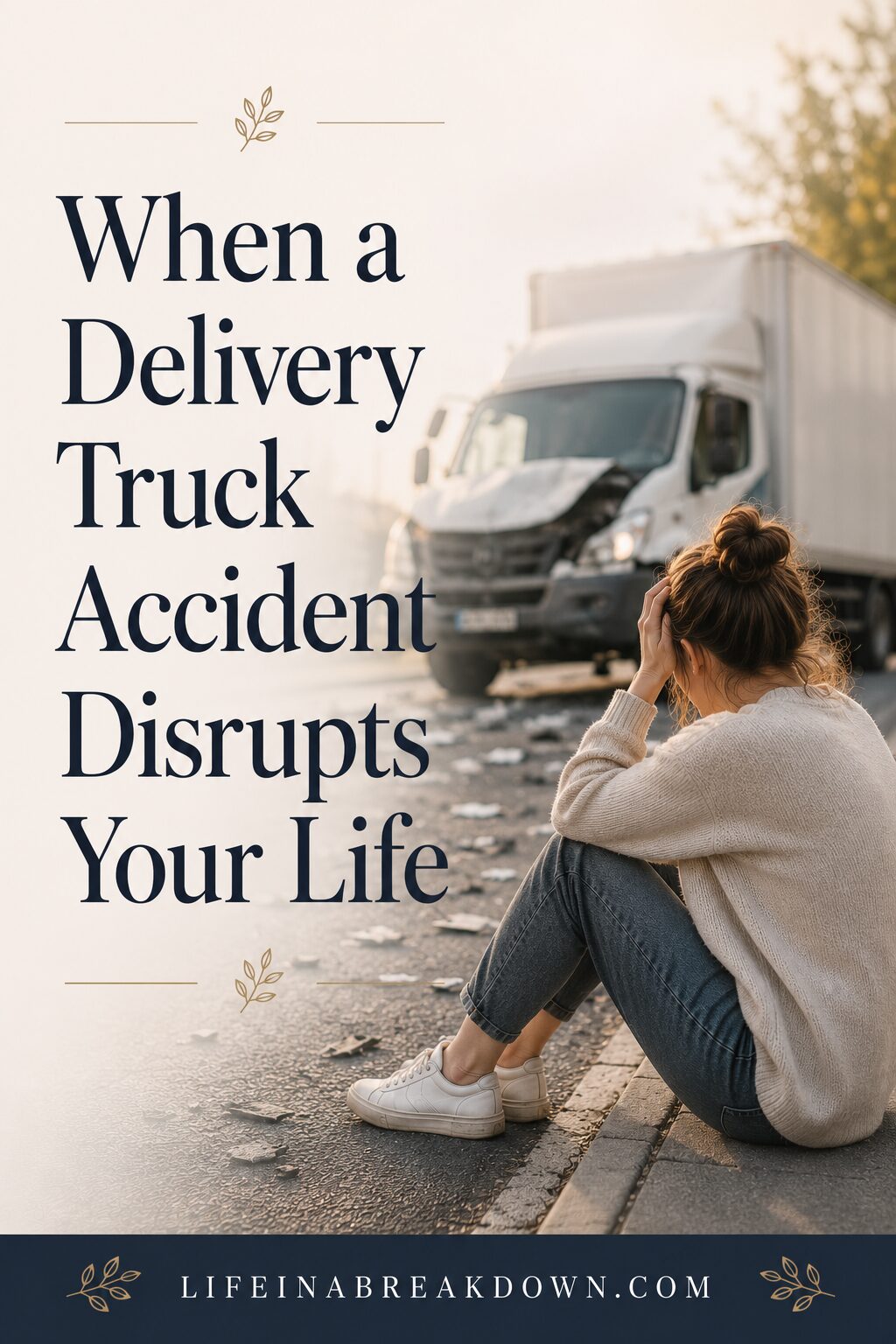
When a Delivery Truck Accident Disrupts Your Life
More delivery trucks are on our roads than ever before, thanks to the rise of e-commerce. While convenient, this also means a higher risk of traffic accidents. A crash with a large commercial delivery vehicle is often much more severe than a typical car accident, leading to serious injuries and major life disruption. If this happens to you, knowing what to do next is crucial for protecting your health and your rights. Understanding the specific steps to take after a collision, especially when dealing with large companies, is essential for holding delivery truck companies accountable and making sure you get proper compensation.
First Steps After the Collision

If you’re involved in an accident involving a delivery truck, your first priority is safety. Move to a safe spot if you can and check on anyone else involved. Call 911 to report the crash and ask for medical help, even if you feel fine. Some injuries might not show up right away.
Once the area is secure, start documenting everything. Use your phone to take pictures of the vehicles, license plates, the truck’s company branding, any visible damage, and the surrounding area, including skid marks and traffic signals. Exchange contact and insurance information with the driver. Make sure to get their name, the company they work for, and the truck’s identification numbers. It’s also a good idea to get contact details from any witnesses. Avoid discussing fault at the scene; just stick to the facts of what happened.
Understanding Who Is Responsible
Figuring out who is responsible in a commercial truck accident is more complicated than in a crash between two private cars. Many parties could be at fault. While the driver might have been careless, their employer, the delivery company, could also be held responsible under a legal idea called vicarious liability. This means an employer is accountable for their employee’s actions. Sometimes, a third-party contractor or even the company that loaded the truck’s cargo could share responsibility. Because of these complexities, suing trucking companies requires a thorough investigation to find all responsible parties and their insurance providers.
Dealing with Insurance Companies

After the accident, an insurance adjuster from the trucking company will likely contact you. It’s important to be careful during these conversations. Commercial carriers often have big insurance companies behind them with teams focused on paying out as little as possible. The adjuster might seem friendly and helpful, but their goal is to protect their company’s financial interests. They might try to get you to give a recorded statement or sign documents that could limit your ability to claim fair compensation later. You don’t have to give a recorded statement without legal advice. It’s best to only provide basic factual information and avoid guessing about fault or how bad your injuries are.
Seeking Compensation for Damages
The goal of an insurance claim or lawsuit is to get compensation, or “damages,” for the losses you’ve experienced. These damages usually fall into two categories. Economic damages are financial losses you can quantify, such as:
- Medical expenses (past and future)
- Lost wages and reduced ability to earn
- Vehicle repair or replacement costs
- Rehabilitation and therapy costs
Non-economic damages are more subjective. They cover the non-financial impact of the accident on your life, like pain and suffering, emotional distress, and loss of enjoyment of life. To build a strong case for full compensation, you need to keep detailed records of all your expenses, medical treatments, and how the injuries have affected your daily life.
A collision with a delivery truck can be overwhelming, but taking careful steps can help protect your well-being and financial stability. By thoroughly documenting the incident and understanding the complexities involved, you’ll be in a better position to handle the challenges ahead.
Pin It!