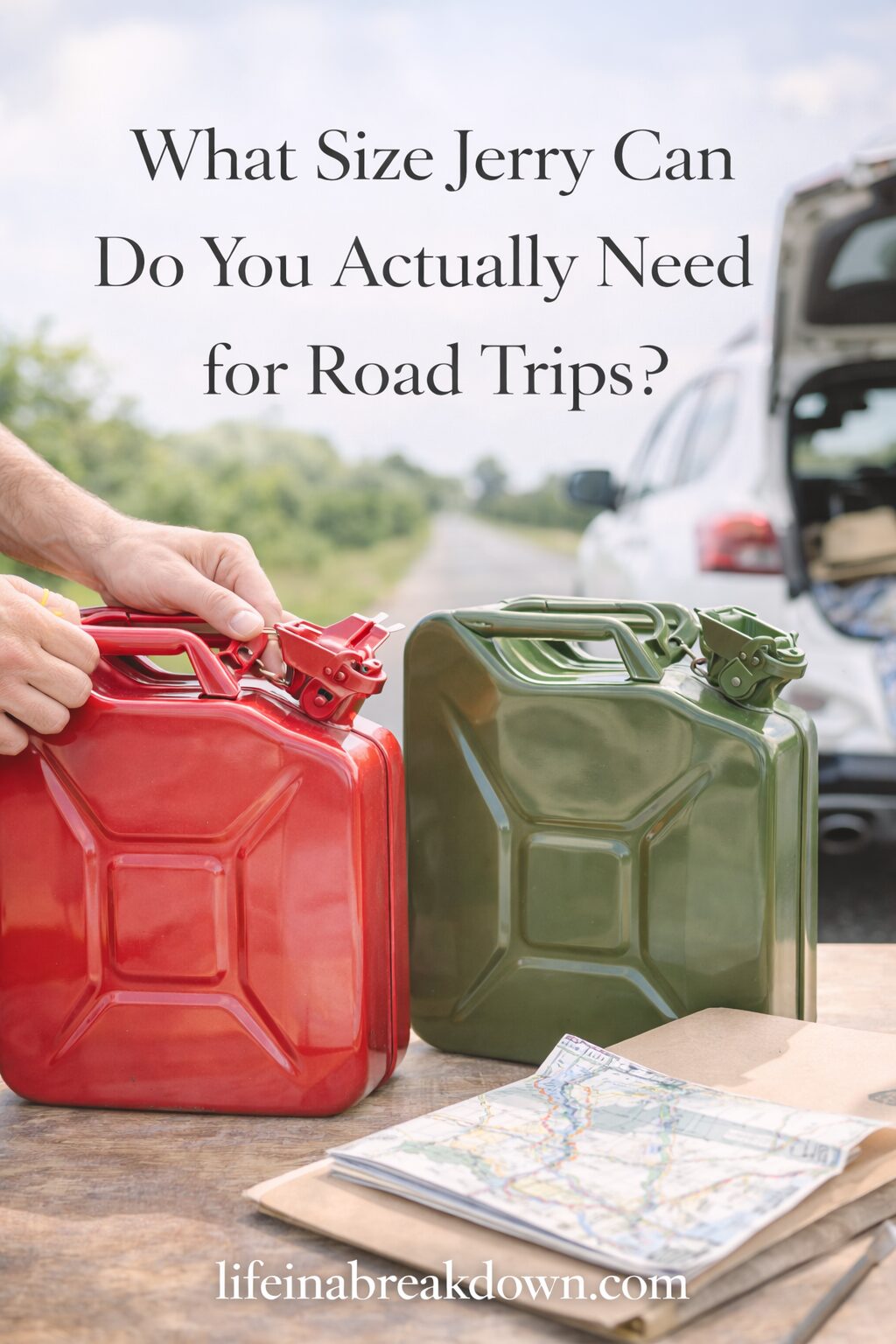
What Size Jerry Can Do You Actually Need for Road Trips?
A road trip becomes much easier when the vehicle never runs out of fuel in the middle of nowhere. A jerry can serves as a backup supply that saves time and prevents stress. The challenge is knowing what size fits the distance, vehicle type, and storage space. Choosing the right jerry can size helps keep travel efficient, safe, and worry-free.
Different trip lengths and driving conditions require different can sizes and materials. Some travellers prefer compact cans for short drives, while others need larger ones for days away from refuelling stations. This article explains which jerry can sizes fit specific trips and how material choice affects safety and convenience.
5-gallon (19L) jerry can: Ideal for day trips and short road trips, easy to carry and store

A 5-gallon (19L) jerry can offers a practical balance between capacity and portability. It holds enough fuel or water for a full day’s drive or an overnight trip, yet it remains light enough to lift and load without strain. Drivers often keep one in the trunk for extra range or emergency use.
Compact dimensions make it simple to fit in most vehicles without taking up too much space. Many models, such as the jerry can from VEVOR, include a tight-sealing cap and flexible spout that reduce spills and allow smooth pouring. These features make travel refuelling faster and cleaner.
A steel or heavy-duty plastic build helps protect the liquid from leaks or rust. The solid handle on top allows steady control while pouring or carrying. Because of its size, a 5-gallon can works best for weekend drives, motorcycles, small boats, or outdoor tools rather than long-distance journeys.
10-litre jerry can: Suitable for weekend camping and moderate off-road use, balances capacity and portability
A 10-litre jerry can holds about 2.6 gallons of fuel, which makes it a practical size for short trips. It stores enough gas to extend driving range on weekend outings without adding much extra weight. Many drivers find this size easy to lift and pour compared to larger cans.
This capacity works well for small vehicles or those that only need a backup supply. It also fits neatly in most trunks or cargo areas without taking too much space. Steel or high-density plastic versions both provide solid protection from leaks and rust.
For moderate off-road travel, a 10-litre can offers a good mix of convenience and security. It carries enough fuel to handle detours or unexpected delays. Travellers who pack light often see it as a balanced choice between portability and useful reserve power.
20-litre (5.3 gallons) jerry can: Best for extended off-road adventures requiring significant extra fuel
A 20-litre jerry can holds about 5.3 gallons of fuel, which provides enough reserve for longer drives away from fuel stations. It suits travellers who take off-road routes or remote trails where refuelling options remain limited. This extra capacity can help cover detours or unexpected delays.
Many steel models in this size use reinforced materials that help prevent leaks and corrosion. They often feature an internal vent that allows faster pouring and a secure cap system that reduces spills or vapour loss. These details make them practical for vehicle or ATV use in rough terrain.
The added weight of a full 20-litre jerry can requires careful mounting and handling. Drivers should check that their vehicle’s brackets or carriers can hold the load safely. For longer trips through isolated areas, two cans of this size can offer a good balance of volume and portability.
Metal steel jerry cans: Recommended for durability and compliance with safety standards on long trips

Metal steel jerry cans serve as a dependable choice for travellers who need sturdy fuel storage. They handle rough handling and long drives better than plastic types. Their rigid structure prevents dents from affecting the seal, which keeps fuel secure throughout the journey.
These containers often meet national and international standards for fuel transport. Many models follow UN, NATO, or industry-tested designs that help maintain safe pressure levels and prevent leaks. This compliance helps drivers stay within transport regulations and prevents accidents caused by faulty containers.
A steel jerry can also resists heat better than plastic, which adds safety in warm weather or long drives through sunny regions. It remains stable even if stored in a vehicle for many hours. For most drivers planning extended trips, a 20-liter steel model provides a good balance between capacity, weight, and safety.
Plastic jerry cans with safety spouts: Convenient for quick refuelling on the road, lighter than metal
Plastic jerry cans give travellers a simple way to carry extra fuel without adding much weight to their vehicle. Most models use high-density polyethene, which resists corrosion and handles impact well. This makes them practical for car trips, off-road travel, and storing backup fuel in different conditions.
Safety spouts on these cans help reduce spills and control flow. The design often includes self-venting or automatic shutoff features that make refuelling smoother and safer. Compared to older metal cans, they require less effort to handle and move.
However, plastic models may not last as long in extreme heat or under rough handling as metal versions. Still, for light use or short road trips, they strike a good balance between safety, weight, and portability. Drivers who value convenience often choose a plastic jerry can for its straightforward design and easy refueling process.
Conclusion
The right Jerry can size depends on trip distance, vehicle fuel use, and available space. For short weekend drives, a 10-litre can often cover unexpected fuel stops. Longer journeys may call for a 20-litre can to extend range and reduce the need for frequent refills.
Material and design also matter. Metal cans resist impact better, while plastic versions weigh less and cost less. Both types can serve well if they meet fuel safety standards.
Drivers should plan fuel needs before leaving. A bit of extra capacity offers flexibility but adds weight. Balancing fuel supply with convenience helps travellers stay prepared without carrying unnecessary bulk.
Pin It!