Understanding Pension Scams and How to Protect Your Savings
The cost of living is increasing and is taking a toll on many people’s wallets. This stress can make individuals susceptible to scams, particularly pension-related fraud. Most pension frauds happen during times of financial anxiety when you are vulnerable.
Pension scams can take many forms, but they often share common tactics- taking over your identity, selling you fake schemes, and other tactics designed to con you into trusting the fraudster and giving all your savings away.
It’s important to know how these scams operate, what warning signs to look for, and, most importantly, how to protect your pension savings from being stolen. If you suspect you’ve been targeted or want to know how to safeguard your pension, seeking a pension claim consultation with a professional is a good step toward securing your future. For more info, continue reading,
What is a Pension Scam?
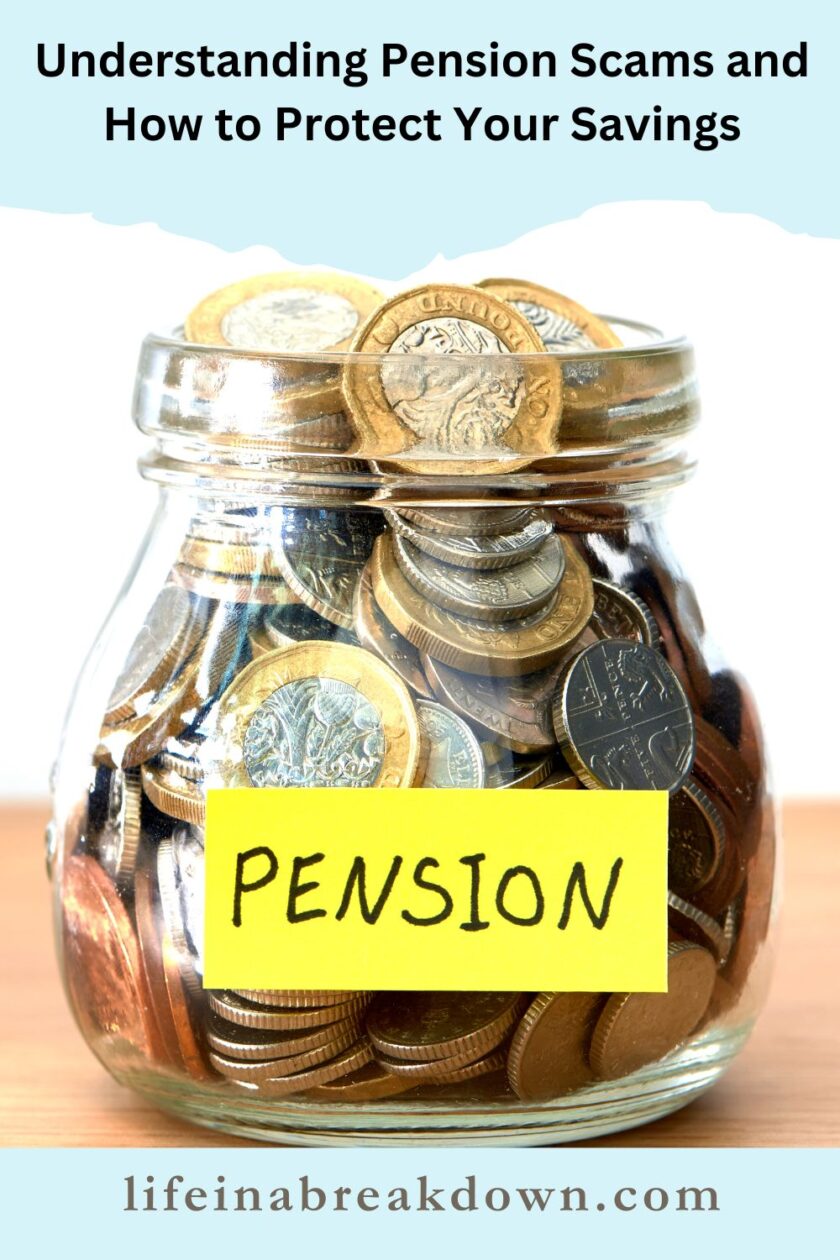
Pension scams steal your pension savings. The scammers will get you involved in transferring your pension into fake or dodgy setups. They may also persuade you to release some or all of your pension.
Most often, these promises offered by the scammers promise higher returns or else provide special rates or early access to savings. All these promises are untrue, and if you’ve been scammed already, you should know your money recovery won’t be easy.
How Scam Operates
Scammers trick people with their enticing schemes. Common ploys that scams include are:
- Higher or guaranteed returns attract you through investments that are more likely to be risky, such as overseas property, renewable energy, art, or even cryptocurrency.
- Pensions can be unlocked or accessed early through a loan or a loophole that allows you to create a tax bill after losing all your savings before age 55.
These scams can target anyone at any stage of life—whether you are paying into a pension or withdrawing from it.
Scammers often prey on people’s fears, promising quick money or better returns, especially during tough financial times.
How to Spot a Pension Scam?

Cold Calling
In January 2019, pension cold calling was officially banned to protect consumers from unsolicited calls about their pensions.
If you receive an unexpected call about your pension, it’s best to hang up immediately. Scammers use this to obtain personal, financial, and focused facts that could be exploited in minutes.
Be wary about communications from an imposter claiming to be from your pension provider, pension scheme, or even a government body. Inform them that you’ll call them back, but do not use any phone number they provide. Instead, visit the official website of your pension provider or relevant authority to find their verified contact details. It is better to contact the company directly than to talk via unsolicited calls.
Urgency during Sales
Legitimate pension providers and financial advisers are prohibited from using high-pressure sales tactics, which include pushing you to make hasty decisions or offering deals that sound too good to pass up.
When they try to rush you, you should already suspect that you’re probably about to become a victim of fraud. They create fake urgency again, expecting you to make decisions without properly giving them enough thought.
So before you make any decision on a pension offer, take your time to evaluate it closely and don’t feel pushed to do something immediately. If it is a good legal opportunity, it will be available even after you have thought it over.
High Returns with Low-Risk Guarantees
One of the most common red flags in investment schemes is the offer of high returns with low risk. This type of pitch is frequently seen in various forms of financial fraud, and it’s important to recognize it as a major warning sign. No legitimate investment can offer substantial returns without some level of risk involved.
If someone is promising you extraordinary profits with little or no risk, it’s almost certainly a scam designed to lure you in. Scammers use these enticing promises to make their offers sound irresistible, hoping you’ll cave in.
How to Protect Oneself from Pension Scams?

Stay Alert to Cold Calls and Emails
Cold calls about pensions or savings have been illegal since 2019. If you get an unexpected call, it’s probably a scam.
Many scams involve phishing emails. A scammer would use harmful links to fool the recipient in such an email.
Do not click on any links; instead, type the website address yourself. Ensure that your device regularly installs updates and security software.
Scammers also use social media and search engines to pose as real financial organizations. Be extra careful with ‘get-rich-quick’ ads, often showing images of luxury lifestyles.
Report Such Scams or Suspicions
If you think you have been scammed, report it to your card company right away. They might be able to stop the scam.
You can also inform Action Fraud, the UK’s designated national fraud reporting center, which will investigate further.
You can also report phishing to report@phishing.gov.uk, the UK’s National Cyber Security Centre.
Reporting this could prevent many people from getting hooked on the same scam.
Take Advise From a Financial Advisor
Getting professional financial advice can protect you from scams. FCA-regulated firms have strong rules in place to keep you safe.
If you’ve received poor advice from St. James’s Place and are considering a compensation claim, speaking with a trusted adviser can help you understand your options. You may be able to recover money lost due to bad advice or high fees.
Final Thoughts
Pension scams are dangerous to retirement assets. Secure your assets through vigilance against untrustworthy practices, assess the financial advice, and be very careful about over-the-phone “making your gains,” promising a life of luxury. Educate yourself and take steps proactively to protect yourself.
Pin It!



It is good to have knowledge about potential scams, especially ones we have been putting into for years. Great advice.