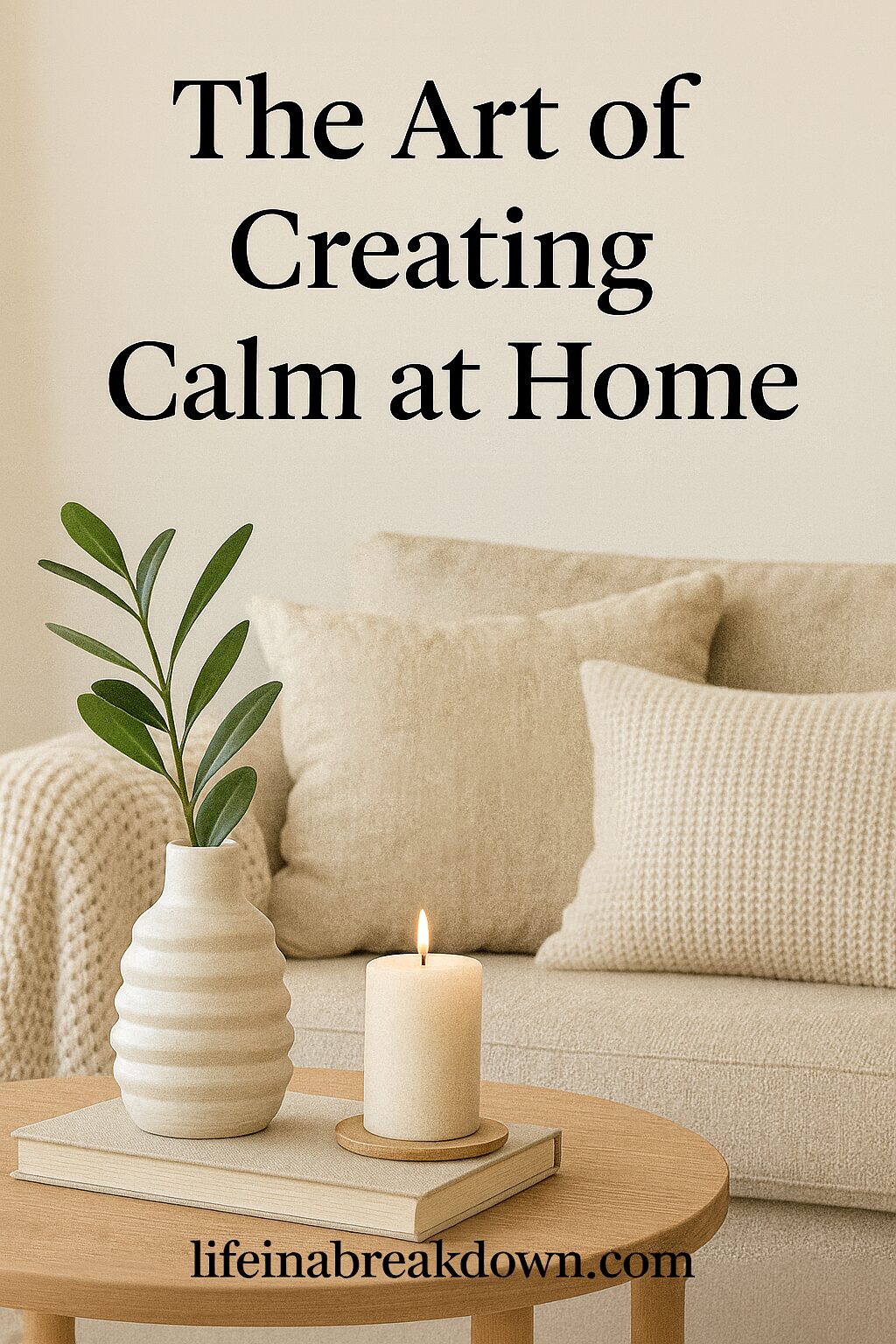
The Art of Creating Calm at Home
Your home should feel like a place where you’re able to slow down and truly get some rest; yet for many people, it becomes the opposite, it’s another space that’s just filled with noise, clutter, and constant reminders of what needs to be done. Creating calm at home isn’t about perfection or expensive furniture; it’s all about intention. So what about making sure you’re paying attention to the little details that make you feel more grounded and more comfortable? Whether you live in a small apartment or you are running a family house, the goal is always the same: it’s to have a space that is going to support your peace of mind and your wellness. Let’s look at how you can design that sense of calm, one room at a time.
Start with What You Have

Most people start by looking at what they don’t like about their homes, such as thinking that the lights are too harsh, or the sofa looks worn, or the walls feel too plain. But calm begins when you start to move your focus away from looking at the things that actually work in your home. Walk through each room and ask yourself what feels good.
Maybe it’s the windows that catch the morning sun, a chair that fits you perfectly, or you have a nice, quiet corner where you enjoy drinking your morning coffee. Those small moments are the ones that are going to build your home up and make it feel more peaceful. Once you know what works, you can build around it. Keep those pieces, highlight them, and clear away what is going to distract from them. You’ll feel much better simply by removing visual clutter, too.
If you’re planning a move, this step is even more powerful. Before you pack, sort through all your things and let go of what doesn’t fit your life anymore. It makes the transition easier, and it also means that you are able to start off fresh. Professional help with removals can help this process go much more smoothly, so you can focus on setting up your new space rather than having to worry about the logistics.
Simplify the Visual Noise
Clutter doesn’t just take up space in your home; it also has a drain on your energy. Too many objects that are competing for your attention can make a beautiful room feel extremely stressful. Start off small and pick one area of your home, like a countertop or a bookshelf, and then clear it completely. Only put back what you truly use or what you truly love.
If you’re not sure what to keep, use this test: Does it serve a purpose or bring you calm? If not, then it’s probably just a little bit of noise in your home. The goal isn’t to minimise for the sake of it; it’s to make sure that you are giving your home the right breathing room that it needs. When your surfaces are clear and your storage is functional, then the whole space starts to feel a little bit lighter.
Think of every room as taking a pause. You want to have plenty of open space for your eyes to rest, soft colours that don’t compete, and textures that have an inviting touch.
Choose Materials That Feel Good
When you touch items every day, like your bed sheets, dining chairs, or flooring, it’s essential that they feel right. Comfort starts with choosing the right materials. Natural fabrics such as cotton and linen not only breathe better but also add texture to your rooms. Wood and stone bring warmth and weight, while metal and glass can introduce balance and contrast when needed.
If your furniture feels cold or sharp, you can layer it with softness. Adding a throw blanket, a few pillows, or a rug can completely change the feeling of your space. Lighting is also crucial. Consider swapping harsh white bulbs for warmer lights that mimic daylight. Installing dimmers or using floor lamps allows you to create layers of light instead of relying on a single bright source.
It’s not about matching trends; it’s about choosing materials and colours that help you relax.
Design with Movement in Mind

Calm, does it mean that everything needs to be at a standstill? I hope it should be free-flowing. You should be able to move through your rooms really easily without bumping into furniture or feeling like you are having to weave around obstacles.
Have a look at how you walk through your home. Are there any tight corners or awkward layouts you’re having to deal with? If there are, try rearranging your furniture so that pathways are clear and movements feel more natural. Leave a little space around key items, especially in smaller rooms. When you give your furniture a little bit more room to breathe, the entire space starts to feel a little bit bigger.
Think about how you move in daily routines, too. Is your morning coffee setup convenient? Can you reach the tools that you use most in the kitchen? Little adjustments are going to help you save time and reduce friction for everyday life, which can contribute to having a calmer home.
Bring Nature Indoors
Nature has a brilliant way of grounding us. Even adding small touches like a wooden tray, a vase of flowers, or a plant can change the feeling of a whole room entirely. Plants not only look great and beautiful, but they also help to clean the air and improve mood. Start with something that is really simple to care for, like a pothos or snake plant. If you don’t have much natural light, there are plenty of low-light options that do great.
Conclusion
A nice home doesn’t come from how much you spend or how perfect your furniture looks. It comes from having a little bit of natural flow and just knowing that your space reflects you. When you clear the clutter, choose materials that feel good, and you design your home for movement and light, it’s going to become somewhere that you can retreat to, rather than feeling like it is an endless to-do list.
Pin It!