How You Can Build a Real Estate Portfolio Starting with One Small Property
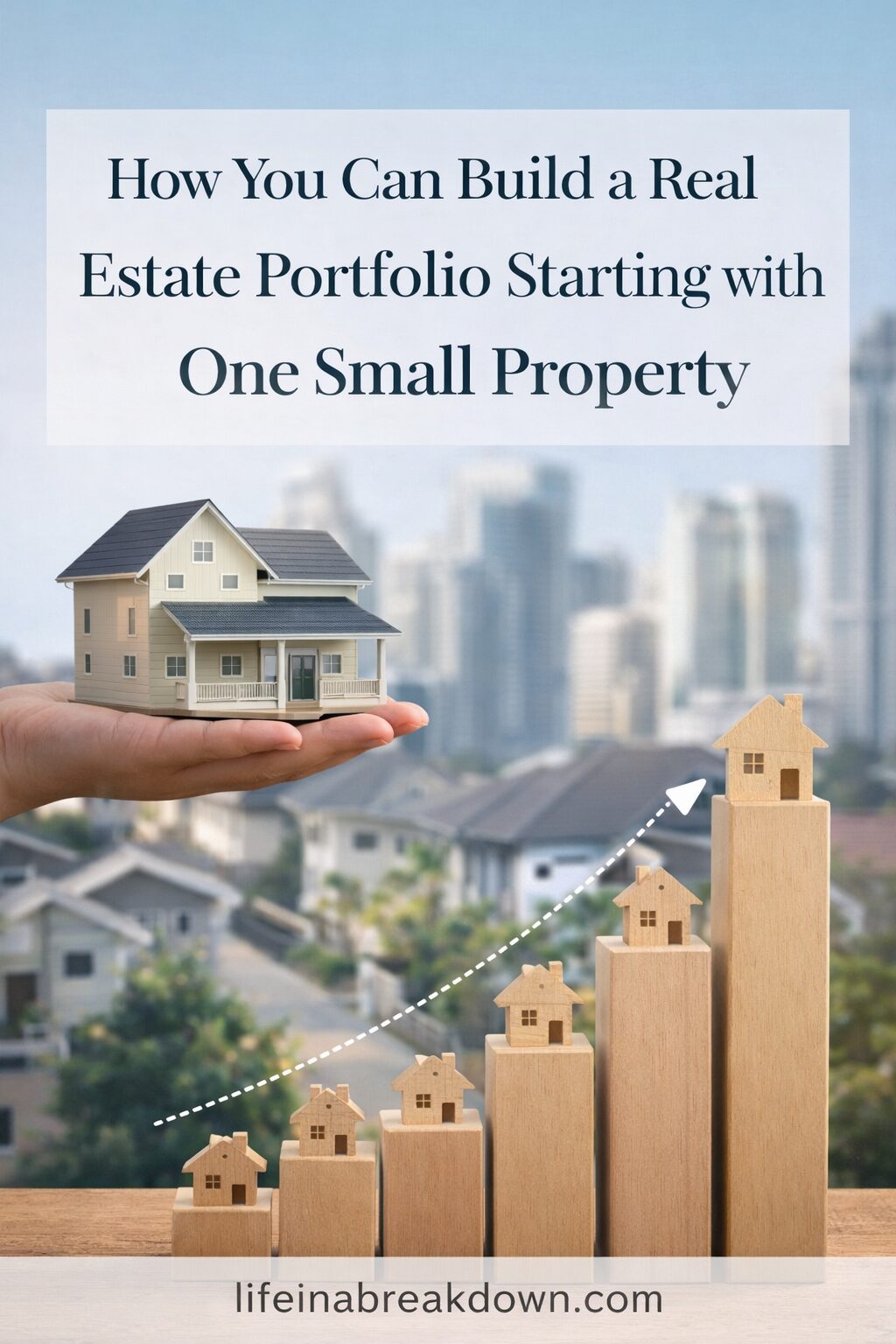
A lot of people sit on the sidelines of the housing market because they think you need a trust fund or a massive syndicate to buy investment properties. That simply isn’t true. A single $200,000 house can actually act as the engine for a massive financial shift. You don’t have to buy a sprawling apartment complex right out of the gate. You just need to know how to squeeze every drop of potential out of a modest starter asset. The math of real estate heavily favours those who start small and scale smart.
Exploit the Tax Code Early

Most mom-and-pop landlords miss out on huge tax write-offs. They assume advanced accounting manoeuvres only apply to massive commercial syndications. Big mistake. By running a cost segregation study for single family homes, you can front-load the depreciation on things like appliances, fences, and flooring. Instead of dripping those deductions over nearly three decades, you take a massive chunk, often 20% to 30% of the property’s depreciable basis, in year one. On a basic $200k rental, that might mean keeping $10,000 or more in your pocket right now. That is literal cash you can immediately deploy toward property number two, effectively letting the IRS fund your portfolio expansion.
Pull Equity without Selling
As your renters pay down the mortgage and the neighbourhood naturally appreciates, your house acts like a slow-cooker for equity. After a few years, a cash-out refinance lets you tap that trapped value. You basically swap your old mortgage for a slightly larger one, pulling the difference out in tax-free cash. You still own the original asset, your tenant is still paying the monthly note, but now you have the exact down payment required to close on your next duplex. It is a classic strategy that turns paper wealth into actionable buying power.
The Closed-Loop Income Method
It sounds almost too simple, but strict capital isolation works wonders. A major trap new investors fall into is letting rental profits bleed into their personal checking accounts. Suddenly, that extra $400 a month is paying for dinners out instead of future investments. Treat your first rental as a completely separate business entity. Route every dime of positive cash flow into a high-yield savings account. Over a few years, this disciplined hoarding creates a self-funding mechanism. The first house buys the second, and eventually, the combined cash flow of those two will buy a third at an accelerated pace.
Start as an Owner-Occupant

Buying a place to live in while renting out the extra space is arguably the lowest-friction entry point available. Whether you buy a duplex or just lease out the basement of a single-family home, the tenant subsidises your living expenses. Because you actually live there, banks offer favourable residential loan terms, meaning you might only need 3% to 5% down instead of the standard 20% required for pure investment loans. Live there for a year, save aggressively, then move out and repeat the process. Your former primary residence seamlessly transitions into a dedicated rental unit.
Trade Up Tax-Free
There will likely come a day when you outgrow that starter home. Maybe the local market has peaked, or you are tired of dealing with single-family maintenance and want to consolidate into a multi-unit building. Selling outright triggers a painful capital gains tax bill, which eats into your purchasing power. Enter the 1031 exchange. This IRS provision lets you roll the proceeds from one property directly into another, indefinitely deferring the taxes. You literally trade your small house for a four-plex, keeping your wealth-building momentum entirely intact.
Growing a real estate empire doesn’t require millions in seed money. It requires leverage, patience, and a willingness to treat one small asset as a stepping stone rather than a finish line.
Pin It!