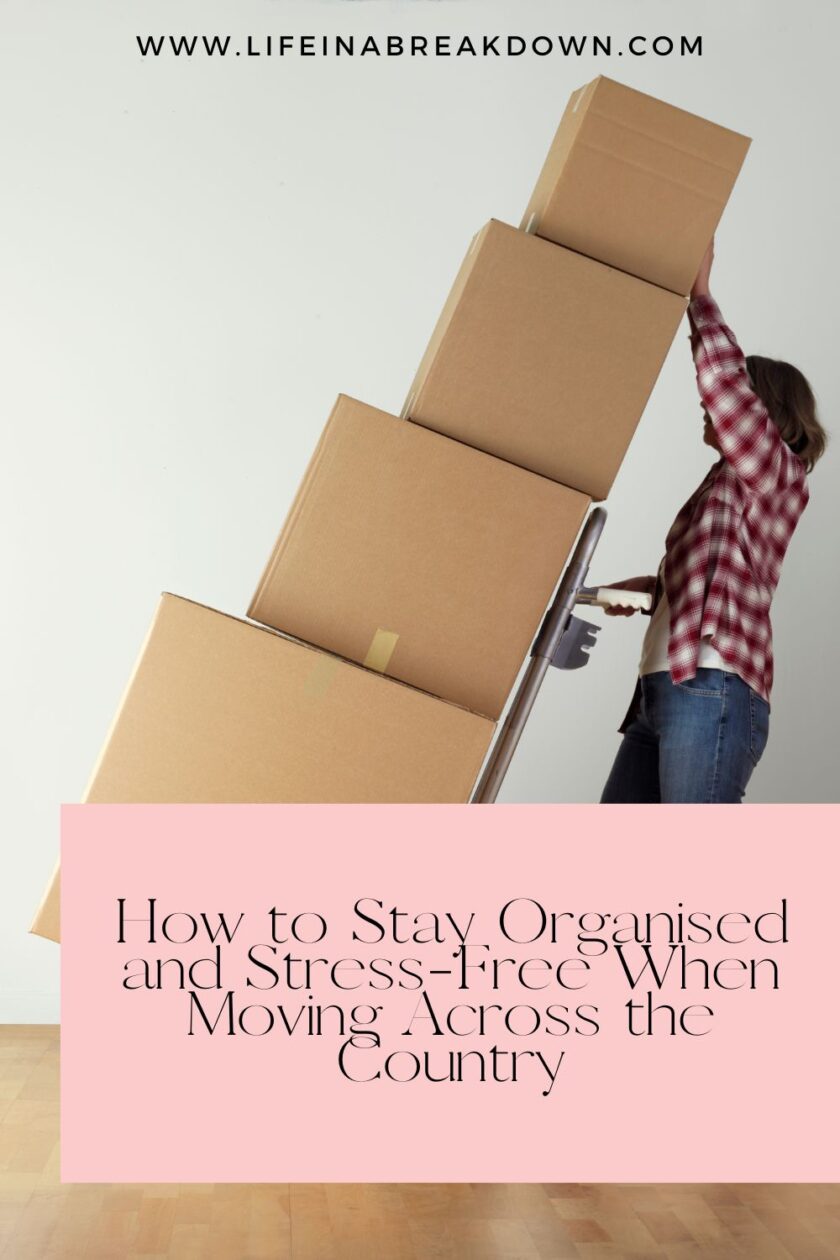
How to Stay Organised and Stress-Free When Moving Across the Country
Moving across the country is one of life’s biggest challenges. It involves uprooting your entire life and settling into a completely new environment. The excitement of a fresh start often comes with stress, anxiety, and a long list of tasks. However, with proper planning and organisation, you can minimise the chaos and make the process manageable and rewarding.
Every move is different, but certain fundamentals remain the same. Staying organised from the beginning helps you keep control and reduces the likelihood of last-minute disasters. Stress often builds when things feel out of control or overlooked. By breaking the move into clear, actionable steps, you give yourself the best chance of a smooth transition.
This article lays out a clear roadmap for moving across the country. From planning and packing to managing stress and settling in, these practical tips will guide you through the process.
Whether this is your first big move or you’re a seasoned pro, these strategies will help keep you organised and stress-free.
Planning Your Move: Setting Yourself Up for Success

Starting early is the foundation of any successful long-distance move. The more time you give yourself, the less pressure you will feel. Begin by setting a moving date well in advance, then work backwards to schedule all the necessary tasks. Early planning also gives you more options, such as choosing the best long distance movers or getting better travel deals.
A detailed moving checklist is indispensable. It should include everything from researching moving companies to cancelling utilities and packing fragile items. Having a list helps prevent essential details from slipping through the cracks. You can break the list into weekly goals, so the move doesn’t feel overwhelming.
Budgeting is equally essential. Moving across the country can quickly become expensive if you don’t plan your finances. Include estimates for movers, packing supplies, travel costs, and deposits for your new home. Tracking these expenses closely helps you avoid surprises and keeps your move financially manageable.
The Moving Process: Step-by-Step Breakdown
Packing is a massive undertaking and can quickly become chaotic without a plan. Start by packing items you use infrequently, such as seasonal clothes and decor, weeks before the move. Leave daily essentials for last to ensure you can function until the day you leave. Organise your packing by room or category to simplify unpacking later.
Labelling boxes is one of the most effective organisational tools during a move. Use bold, visible labels that indicate the contents and destination room. This helps movers know where to place boxes in your new home and speeds up unpacking. Also, quality packing materials should protect fragile items and prevent damage.
Scheduling your move involves coordinating many moving parts. Confirm your moving date with the company well ahead of time. Consider how long the move will take, especially if your belongings are transported long distances. Plan your travel and accommodations accordingly, and keep essential contacts handy.
Staying Organised During the Move
A moving binder or digital folder serves as your command centre. Keep contracts, estimates, receipts, checklists, and moving company contacts in one place. This centralised resource allows you to quickly reference essential details without searching through piles of paper.
Technology can be a great asset in staying organised. Task management apps help you track progress and set deadlines. Many apps also allow you to share your moving plan with family or friends who may be helping. This keeps everyone informed and coordinated.
During the move, keep valuables and essential documents close. Passports, insurance papers, medications, and financial records should travel with you, not with the movers. These readily available items provide peace of mind and quick access in emergencies.
Managing Stress While Moving
Even the most well-planned moves can experience unexpected issues. Staying flexible is crucial. If a delay or problem arises, stay calm and focus on what you can control. Flexibility allows you to adapt and prevent minor issues from becoming significant sources of stress.
Self-care during a move is often overlooked but necessary. Take breaks, eat nutritious meals, and get enough rest. Physical exhaustion can amplify stress, so pacing yourself and listening to your body are vital. Short walks or moments of mindfulness can help you maintain your mental balance.
Don’t hesitate to ask for help. Moving is a big job, and sharing the workload eases the burden. Whether it’s friends packing boxes or hiring professional cleaners, getting support helps you conserve energy and reduce anxiety.
Arriving and Settling In

Upon arrival, prioritise setting up essential areas like the kitchen and bedrooms. These spaces quickly make your new home livable and comfortable. Unpack key items such as bedding, kitchenware, and toiletries first to restore normalcy.
Take a methodical approach to unpacking. Focus on one room at a time to avoid feeling overwhelmed. Resist the urge to rush; taking time helps you stay organised and settle into your new space thoughtfully.
Adjusting to a new environment takes patience. Explore your neighbourhood, locate essential services like grocery stores and medical facilities, and introduce yourself to neighbours. These steps help create a sense of community and belonging, easing the transition emotionally.
Bonus Tips for a Smooth Cross-Country Move
Before you pack, take time to declutter. Moving fewer belongings reduces costs and workload. Sort your items into what you want to keep, donate, or discard. This lightens your load and provides an opportunity for a fresh start.
Pacing yourself is key. Moving can feel like a race, but pushing too hard leads to burnout. Set achievable daily goals and allow yourself to rest. A steady, manageable pace ensures you stay energised and avoid overwhelm.
Finally, stay positive. Moving is stressful, but also an opportunity for new beginnings. Focusing on your move’s benefits and exciting aspects can help you maintain perspective and motivation.
Conclusion
Moving across the country requires careful planning, organisation, and stress management. You can take control of the process by starting early and breaking the move into clear steps. Staying organised with tools and strategies prevents last-minute chaos.
Managing stress through flexibility, self-care, and support is as essential as logistics. And once you arrive, prioritising unpacking and settling in will help you feel at home faster. With these practical tips, you can approach your move with confidence and calm.
Your cross-country move is a significant change, but also a fresh opportunity. Use this guide to stay organised and stress-free so you can focus on the adventure ahead. Your new chapter starts now.
Pin It!