How To Layer Colours And Textures Like A Designer
Ever walked into a space that feels warm, inviting, and effortlessly chic? Chances are, it’s been styled using expert layering of colours and textures. Interior designers use these elements to create depth, personality, and that oh-so-stylish finish we all crave. The good news? You don’t need to be a professional to do it. With a few simple tips and an eye for balance, you can create beautifully layered spaces in your own home.
Whether you’re working with a blank canvas or updating an existing room, thoughtful layering can instantly elevate your interiors. From plush rugs and tactile cushions to matte finishes and your home’s flooring texture and colour, bring life to a space and reflect your style.
Start with a neutral foundation

Before diving into colours and textures, it’s essential to start with a solid base. Neutral tones, such as whites, beiges, greys and soft charcoals, create a calming backdrop that makes layering easier. This doesn’t mean your space has to be plain or predictable. A neutral base gives you more flexibility to mix, match and evolve your style over time.
Flooring is a great place to begin. Hybrid flooring works especially well to create elevated-looking spaces. Timber-look flooring in tones like soft oak or warm ash adds visual warmth and subtle texture without overpowering the room. From there, you can build upward with walls, furniture and decorative elements, layering in a tonal and cohesive way. Using different materials within the same colour family, like linen, stone, or brushed wood, can add depth without the need for bold colour.
Work within a cohesive colour palette
Once your foundation is set, it’s time to introduce colour. The secret to designer-level layering is working within a tight, cohesive palette. Choosing two or three main colours and repeating them throughout the room can create harmony and help the space feel intentional.
For example, a calming coastal palette might include sandy beige, soft blue and crisp white. These hues could be reflected in cushions, throws, ceramics, and upholstery. If you’re not sure where to begin, start with one hero colour you love and build around it using either complementary or tonal shades. Keep an eye on undertones too – cool greys and warm greys, for instance, can behave very differently depending on their surrounding elements.
Mix materials to create depth
Texture is where layering really shines. A room filled with smooth, flat surfaces can feel cold or one-dimensional. By mixing materials, such as linen, leather, timber, boucle, metal, and glass, you add instant interest and tactile warmth.
Textiles are an easy entry point. Try layering a chunky wool throw over a linen-covered lounge, or pairing a velvet cushion with a jute rug. Contrast shiny finishes with matte ones, and rough textures with smooth surfaces. Even subtle contrasts, like brushed wood beside soft upholstery, help guide the eye and create depth.
The interplay between textures also affects how light behaves in your space. Glossy or metallic finishes reflect light and make areas feel brighter, while matte or woven textures absorb light, creating a cosier, more grounded atmosphere.
Style with intention, not clutter

When layering objects like cushions, decor or styling accessories, less is often more. Instead of crowding surfaces or sofas, focus on creating thoughtful groupings with varied height, shape and material. A styled coffee table might feature a stack of books, a ceramic bowl and a small plant – all different in form but united by tone or texture.
The “rule of three” often works well here. Odd numbers feel more organic and visually balanced. But even more important than numbers is intention. Ask yourself whether each piece adds value to the space, either visually, emotionally or functionally.
Add contrast for dimension
Even in a neutral or softly tonal space, contrast is essential. Without it, your interiors can fall flat or feel overly matchy. This doesn’t mean clashing colours or dramatic statements, contrast can be subtle. For instance, placing a dark cushion on a light-toned lounge, or combining a sleek metal lamp with a textured timber side table, can make a big difference.
It’s not just about colour, contrast can also come through materials, shapes and finishes. Mixing curved objects with more structured lines, or balancing soft textures with solid forms, helps to create visual rhythm and keep the space dynamic.
Tell your story with finishing touches
Once the bigger elements are in place, bring the space to life with personal items. These could be vintage finds, handmade pottery, favourite books, framed photos or artwork that reflects your style. Indoor plants are also a beautiful way to soften more structured designs and introduce organic texture.
These finishing touches are what truly make your home feel yours. They break up more curated or minimalist designs and inject emotion and character.
Step back and edit
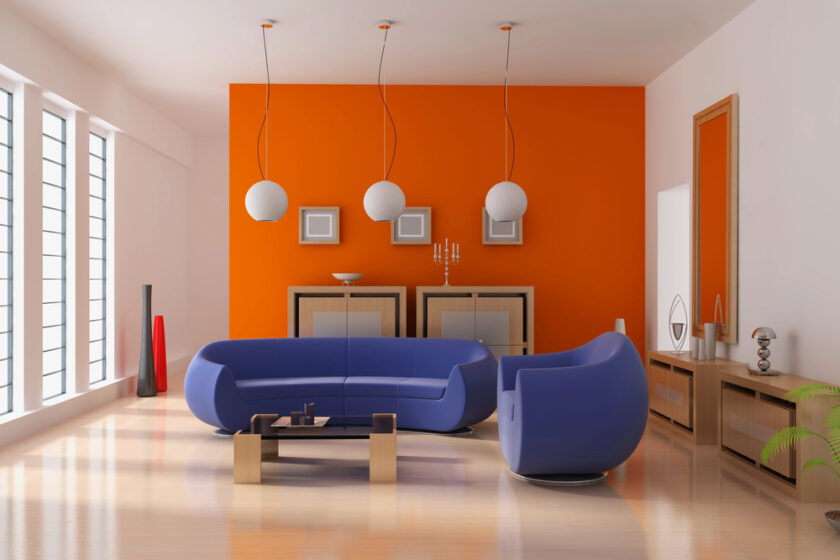
Layering is an ongoing process, and sometimes, it’s as much about what you take away as what you add. If the room starts to feel busy or disjointed, step back and assess. Are there too many similar textures? Does one area feel visually heavier than the rest? Are the colours working together or competing?
Editing your space is a skill that improves with practice. Don’t be afraid to move things around, swap out accessories, or let a room evolve slowly. Sometimes, creating the perfect layered look takes time.
Embrace texture and tone
At its core, layering is about creating a space that feels lived-in, comfortable and personal. It’s what turns a house into a home. By starting with a neutral base, choosing a consistent palette, and thoughtfully combining materials and tones, you can craft interiors that look and feel beautifully finished.
And remember, layering like a designer doesn’t mean following rules perfectly, it means trusting your eye, experimenting freely, and curating pieces that reflect your life.
Pin It!