How to Dress for the Australian Winter in 2026: Trends, Events, and Accessories
The Australian winter has always had its own rhythm. It’s cooler, yes, but rarely severe. We all know how inconsistent seasonal weather can be, so that means layering, textures, and smart styling matter more than simply piling on warmth.
In 2026, the approach to winter dressing is all about balance: relaxed tailoring, natural tones, and pieces that transition easily from brisk mornings to sunny afternoons.
Here’s how to make sense of the season ahead, what’s trending, where to see it in action, and how to pull everything together with the right accessories.
What’s Trending?

This year, Australian winter fashion is leaning into a grounded, earthy palette. Think warm neutrals; sand, olive, chocolate, paired with soft greys and muted creams. These colours aren’t just easy on the eye; they’re practical, versatile, and designed to mix and match without much effort.
Local labels are leading the charge. Brands like Aje are continuing to blend structure with softness, offering tailored coats and elevated knitwear in tonal palettes. Meanwhile, Bassike keeps things minimal and sustainable, focusing on premium basics that layer seamlessly. Assembly Label rounds things out with coastal-inspired winter pieces, that is, clean lines, relaxed fits, and wearable neutrals.
Specific Pieces
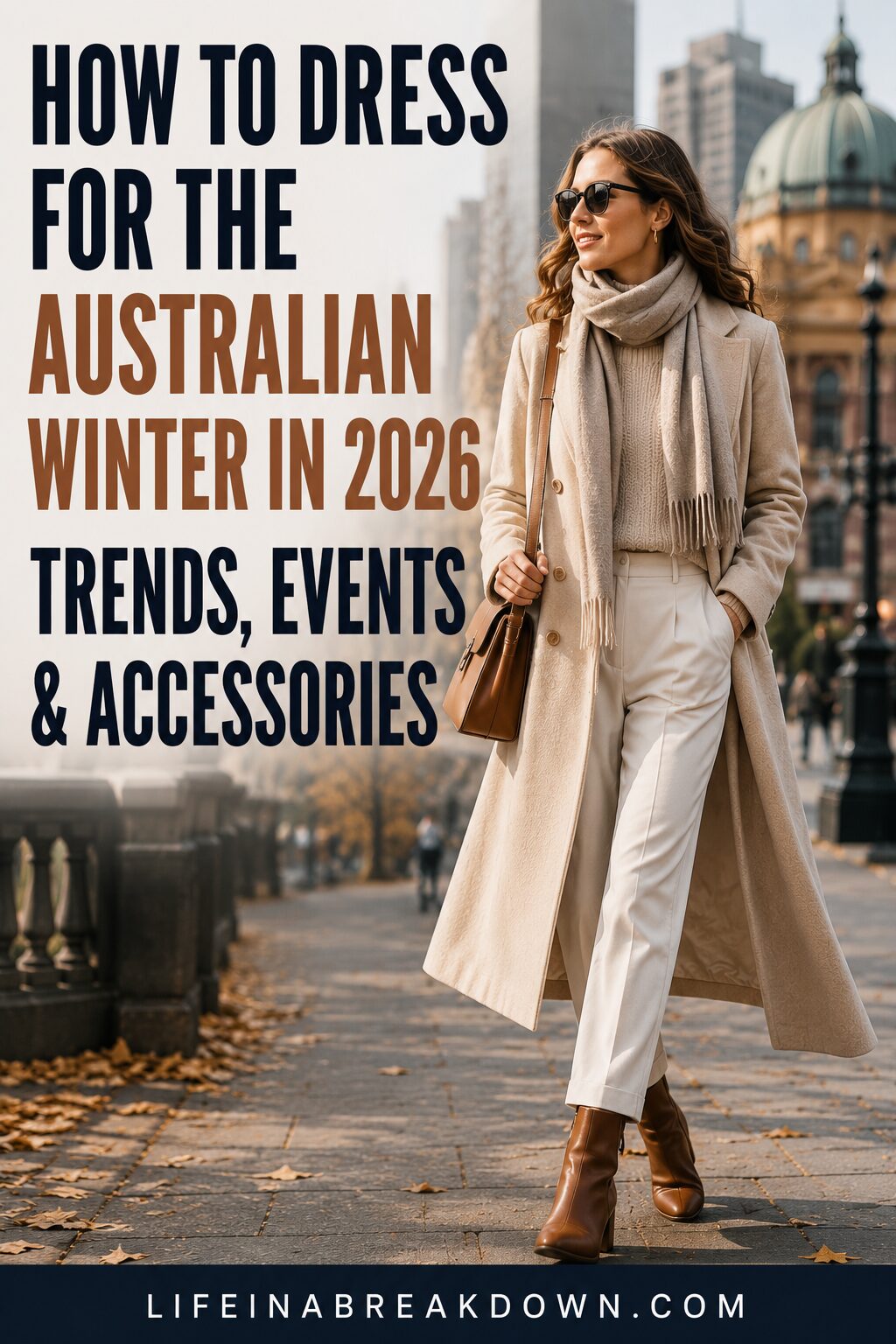
Outerwear is where the biggest shift is happening. Longline coats are dominating, cut below the knee, often slightly oversized, and designed to drape rather than cling. Wool blends and brushed textures are popular, and belted silhouettes are making a quiet comeback.
Trench coats are also evolving. Less corporate, more relaxed. You’ll see softer shoulders, wider sleeves, and heavier fabrics that make them suitable for colder days rather than just light layering.
When it comes to knitwear, chunkiness is the name of the game. Thick ribbed knits, oversized cardigans, and slouchy sweaters are everywhere. The focus is on texture you can feel: looped yarns, brushed finishes, and hand-crafted details. Styling-wise, it’s less about polish and more about ease: a chunky knit half-tucked into tailored trousers, or layered over a flowing midi skirt.
Where To Spot The Trends First
If you want a preview of how these styles come together, Australia’s fashion calendar is still the best place to look.
The biggest event on the winter horizon is Australian Fashion Week, running from 11–15 May in Sydney. This is where local designers set the tone for the season, showcasing collections that often blend practicality with high design. Expect to see those earthy palettes, dramatic outerwear, and statement knits styled in ways that feel both aspirational and wearable.
Later in the year, Melbourne Fashion Week (19–25 October) offers a different perspective. While it leans slightly ahead into spring/summer, winter styling still plays a role, especially in how layers and accessories transition across seasons. Melbourne’s reputation for unpredictable weather makes it a perfect testing ground for adaptable fashion.
Even if you’re not attending these events, keeping an eye on runway coverage and street style can give you practical inspiration. Often, it’s the off-runway looks (what editors, stylists, and attendees are actually wearing) that translate best into everyday wardrobes.
Accessories That Actually Work In Australian Winter

Accessories in an Australian winter aren’t just about warmth; they’re about adaptability.
Scarves, for example, are getting bigger and softer. Oversized wool scarves in neutral tones double as wraps for chilly evenings. Beanies are sticking around, too, but in refined forms such as fine knits rather than bulky, novelty styles.
Footwear is levelling up, too. Leather boots, ankle to knee-high, are seemingly essential, especially in darker tones like espresso and black. Chunky soles are still trending, but silhouettes are becoming sleeker overall.
The Ultimate Underestimated Accessory
One accessory that often gets overlooked in winter (but shouldn’t) is sunglasses. Even in June and July, the Australian sun can be surprisingly intense, and glare is a real issue, particularly in cities and coastal areas.
That’s where photochromic sunglasses come into play. These lenses adjust automatically to changing light conditions, darkening in bright sunlight and becoming clearer indoors or in low light. It’s a practical solution for days that move between outdoor errands, commutes, and indoor spaces. The best part of all? There’s no need to constantly switch eyewear.
They’re especially useful in winter, when light conditions can shift quickly. A cloudy morning can turn into a bright afternoon, and reflective glare off buildings or water can catch you off guard. Investing in a good pair goes beyond aesthetics. It’s about comfort and eye protection without compromising on visuals.
Pulling It All Together
Dressing for an Australian winter in 2026 isn’t about following strict rules. It’s about building a wardrobe that works with the climate: layered, flexible, and grounded in quality pieces.
It’s all about the details: a well-chosen scarf, a solid pair of boots, and sunglasses that can handle the shifting light. Fortunately, most of these pieces aren’t one-season wonders. They’re designed to last, to layer, and to evolve with your style over time.
Pin It!