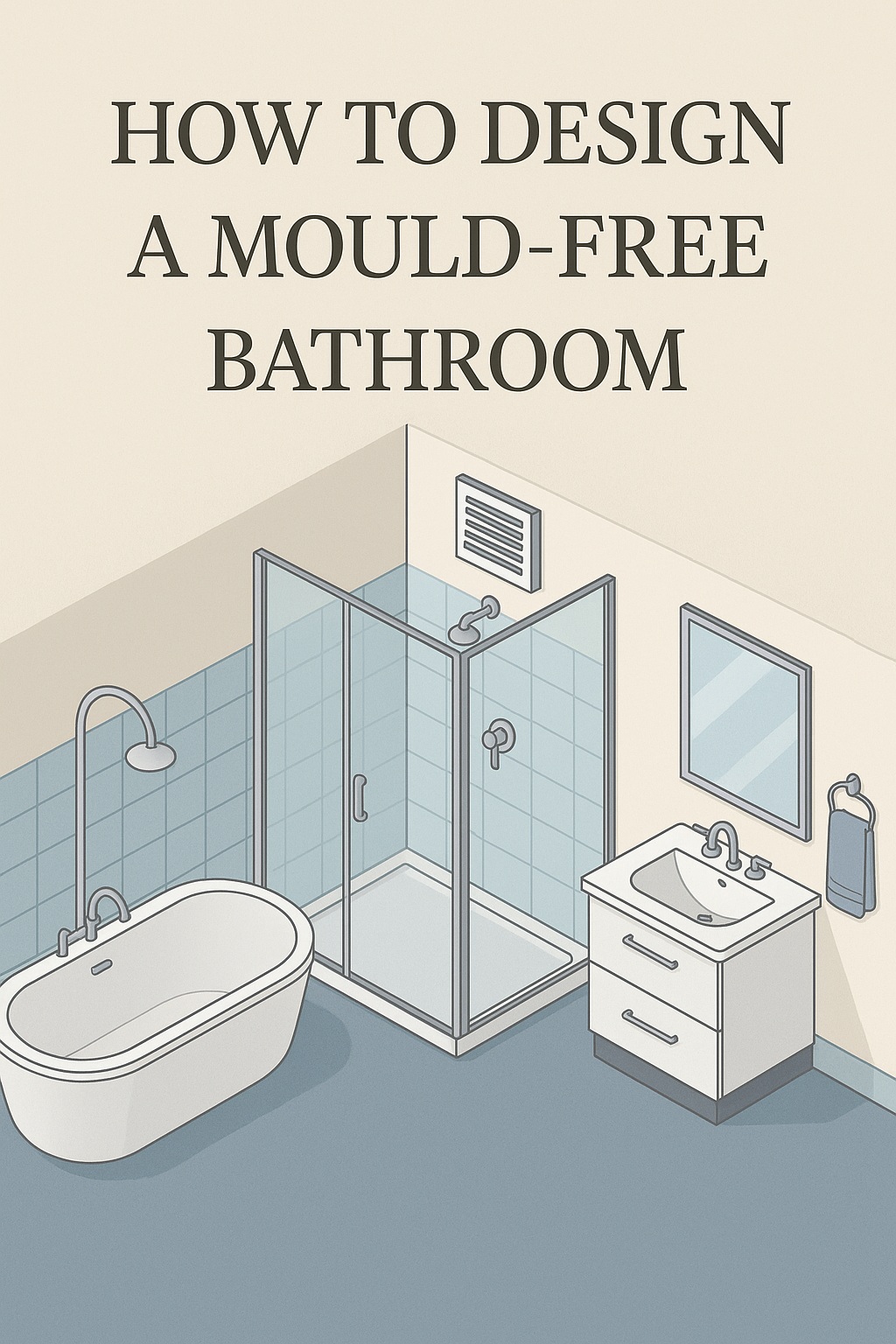
How to Design a Mould-Free Bathroom
The bathroom is the room most likely to harbour mould. Ultimately, bathrooms combine heat, humidity, and poor ventilation, which creates the ideal environment for mould spores to multiply. Steamy showers, lingering moisture, and damp towels provide the perfect breeding conditions.
With the right features and habits, you can prevent mould before it has a chance to form.
Easy-to-Clean Flooring

Your bathroom Floor can absorb water or trap moisture, especially in properties where the floor is carpet, older vinyl flooring, or untreated wood. It could become a mould hotspot. You want water-resistant flooring.
Ceramic tiles are non-porous and easy to clean. This means water cannot seep into the material and linger out of sight. They also resist stains, making them ideal for bathrooms where splashes and condensation are common. So when considering your options, bathroom ceramic flooring provides both durability and hygiene benefits.
One thing to bear in mind is that older ceramic flooring may become porous over time, so if your bathroom has older tiles, it’s worth replacing them.
Fast-Drying Bathroom Design
A bathroom that dries quickly is a bathroom that stays mould-free. That’s why your design choices need to encourage water to evaporate rather than sit on surfaces.
Problem number one: the towels that stay damp for hours. Installing heated towel racks will solve this. Under-floor heating can take this one step further by drying water droplets that settle on tiles and maintaining a comfortably warm environment.
Installing underfloor heating is not a DIY project. It requires the expertise of a qualified plumber for a hydraulic system, who can ensure the system is safely connected and energy-efficient. Professional installation also reduces future risks such as leaks, which can happen with DIY pipe and seal installations.
Managing Moisture Levels
Ultimately, you can’t avoid moisture in the bathroom. But you can control how much of it you have.
A bathroom with poor airflow practically invites mould. That’s why it’s worth switching to high-quality extractor fans that help remove steam and reduce humidity levels.
Natural ventilation is just as important. Where possible, allow fresh air to circulate by opening windows after bathing. For bathrooms without adequate ventilation, consider using a small dehumidifier to prevent moisture from settling on walls and fittings.
Finally, it pays off to add some houseplants that are bathroom-friendly, such as Boston Ferns, Peace Lilies, and English Ivy. These absorb excess moisture, and they also add a decorative touch.
Regular Clean-Up

Mould feeds on residues such as soap scum, dust, and oils left behind after washing. So, you don’t want to take chances by letting these go unaddressed. A weekly wipe-down is a simple routine that disrupts its growth cycle. Where to focus: Pay special attention to tiles, taps, shower screens, and grout lines, as these areas trap moisture easily.
How to spot mould and what to do
It’s brilliant to invest in a bathroom design that minimises risks, but even the most diligent homeowner can encounter signs of mould. It’s best to tackle the problem early to reduce health risks and prevent future issues.
What does black mold look like is one of the most common questions people ask when they’re worried about dampness and excess moisture in their homes. Mould can vary in colour, but often, it’s black and has a fuzzy appearance. It can also be green or blue. Mould is not the same as mildew. Mildew sticks to surfaces, but it’s usually relatively easy to wipe away. Mould penetrates deeper and it’s harder to get rid of. It’s most common to see mould around bath and shower seals in bathrooms and cloakrooms and by windows.
If you’re concerned about mould, you can buy specialist products or seek professional advice. If mould is a serious problem in your home, products you’ve used haven’t worked, or it’s a recurrent issue, contact local companies that specialise in mould removal.
In conclusion, a mould-free bathroom is the result of intelligent decisions and habits. So, if you are moving into a new home, this is your sign to review the design and create a bathroom that stays beautiful and healthy. This can be especially useful as bathrooms are typically on top of the renovation list for homeowners, so make sure to include mould-preventing designs too.
Monthly grout cleaning prevents stains from developing into mould patches. If you use shower curtains, these should be washed or replaced at the first sign of mildew.
Remember: Good cleaning habits in the bathroom can remove the sources mould depends on, ensuring your bathroom remains hygienic and fresh.
Pin It!