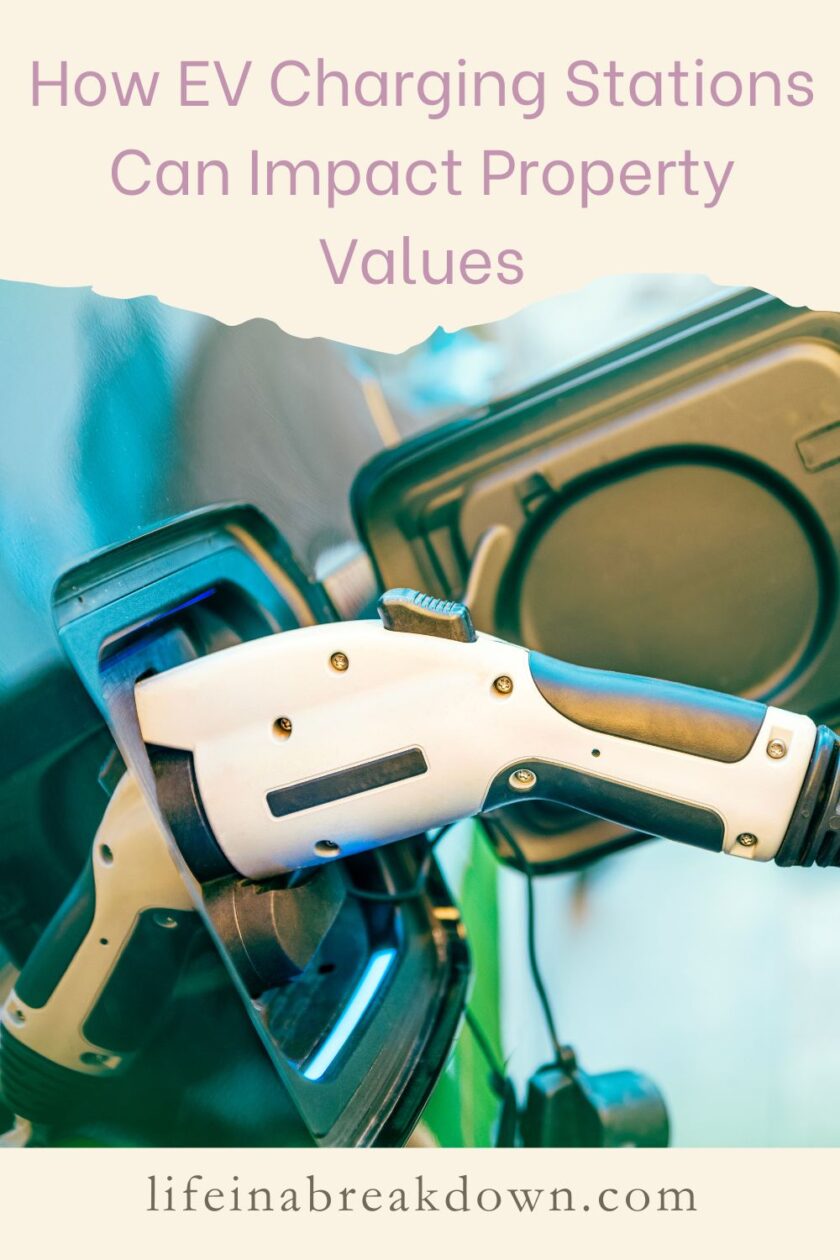
How EV Charging Stations Can Impact Property Values
The transition towards electric vehicles (EVs) represents one of the most significant shifts in the automotive industry in recent times. Globally, the surge in EV popularity has been remarkable, but it’s in the United Kingdom where this trend particularly stands out.
As of the end of 2023, the UK boasted approximately 975,000 fully electric cars on its roads. This figure indicates much more than changing consumer preferences; it also testifies to the evolving need for supportive infrastructure for electric vehicles. The home charging station, an increasingly crucial feature for EV owners, is one of the most important of these necessities.
As EV ownership booms in the UK, along with the rest of the world, home charging stations are evolving into key assets for residential properties. This shift promises undeniable convenience for EV owners in the long term, but more than that, it enhances the value of properties in a future where electric cars are the norm.
This article aims to explore the multifaceted ways in which an EV home charging station can significantly enhance the value of a property—and, by extension, why an EV home charging point installation might be a smart move for any homeowner.

Future-Proofing the Property
The landscape of modern technology is now evolving at an unprecedentedly rapid pace, which makes it only logical to future-proof properties for more long-term value. As the EV market grows, properties equipped with home charging stations align themselves with future trends. These properties both meet current demand and also anticipate the continual shift away from traditional fuel-based modes of transport.
Prospective homeowners today are also likely to be tech-savvy and oriented towards smart living solutions, and thus they can be drawn to properties that showcase technological innovation. It’s possible to present a home equipped with an EV charging station as a hub of modern technology that offers cutting-edge convenience and resonates with a forward-looking lifestyle.
In a property market where technological advancement is a key differentiator, homes with EV charging facilities stand out. They offer a unique selling point that goes beyond the basic amenities, and they clearly align with the aspirations of a new generation of homeowners who prioritize technology in their living spaces.

Energy-Efficiency and Sustainability
These days, a property’s energy-efficiency and sustainability are considered essential determinants of its value, rather than just nice-to-haves. EV charging stations, among other green features, support more sustainable homes and embody a commitment to eco-friendly living. They’re thus guaranteed to appeal to a growing segment of buyers actively aiming for a more environmentally conscious lifestyle. This trend is particularly evident in the UK, where awareness and action towards environmental issues are increasingly shaping consumer behaviour.
Potential for Reduced Energy Costs
Integrating an EV charging station into a home can significantly reduce energy costs over time, especially when combined with renewable energy sources like solar panels. This setup enables homeowners to charge the vehicle conveniently and can also contribute to the home’s overall energy needs, thereby reducing reliance on external power sources. The financial benefits here are twofold: homeowners save on fuel costs typically associated with traditional vehicles and on their household energy expenses simultaneously.
Moreover, advancements in EV battery technology aim to further increase efficiency and reduce costs. These efforts further underscore the long-term economic benefits of EVs. As battery technology continues to evolve, the efficiency of EVs is expected to increase, and this in turn stands to boost the cost-effectiveness of owning an electric vehicle and a charging station over time.
Incentives and Rebates
The UK government recognises the importance of transitioning to electric vehicles. To that end, it offers various incentives and rebates for those looking to install EV charging stations. These incentives serve to reduce the initial installation costs and make home EV charging more accessible for a wider range of homeowners. For instance, eligible individuals can receive up to £350 toward the cost of a home charging point installation via the Electric Vehicle Homecharge Scheme (EVHS). Additionally, the Workplace Charging Scheme (WCS) assists businesses with the upfront costs of charger installations, which helps encourage the wider adoption of EVs.
These incentives make the installation of charging stations more financially viable and also reflect a broader commitment by the government to support sustainable practices. This governmental support enhances the appeal of EV charging stations as a feature in homes. Prospective buyers may find additional value in properties where such installations have been subsidised, as this reduces their overall investment in green technology.
Greater Convenience for EV Owners
It’s impossible to overstate the convenience factor of a home charging station for EV owners. A home charger eliminates the need to rely solely on public charging infrastructure, which is still in the process of expansion despite year-on-year improvements in terms of its numbers. EV owners who live in areas with limited public charging options or where charging stations are often in high demand will especially appreciate this convenience.
In addition, the presence of a home charging station is a significant selling point in real estate markets where EVs are becoming increasingly common. As more people adopt electric vehicles, the demand for properties equipped with charging facilities is likely to rise. This demand can create a competitive advantage in the property market for homes with EV chargers.
As the UK continues its shift towards electric vehicles, homes with charging stations are poised to become increasingly desirable. Thus, beyond being an undeniable convenience, home EV chargers offer an opportunity to invest in the future value of a property. This trend reflects a commitment to technological innovation as well as a practical response to the evolving needs of the modern homeowner.
Pin It!